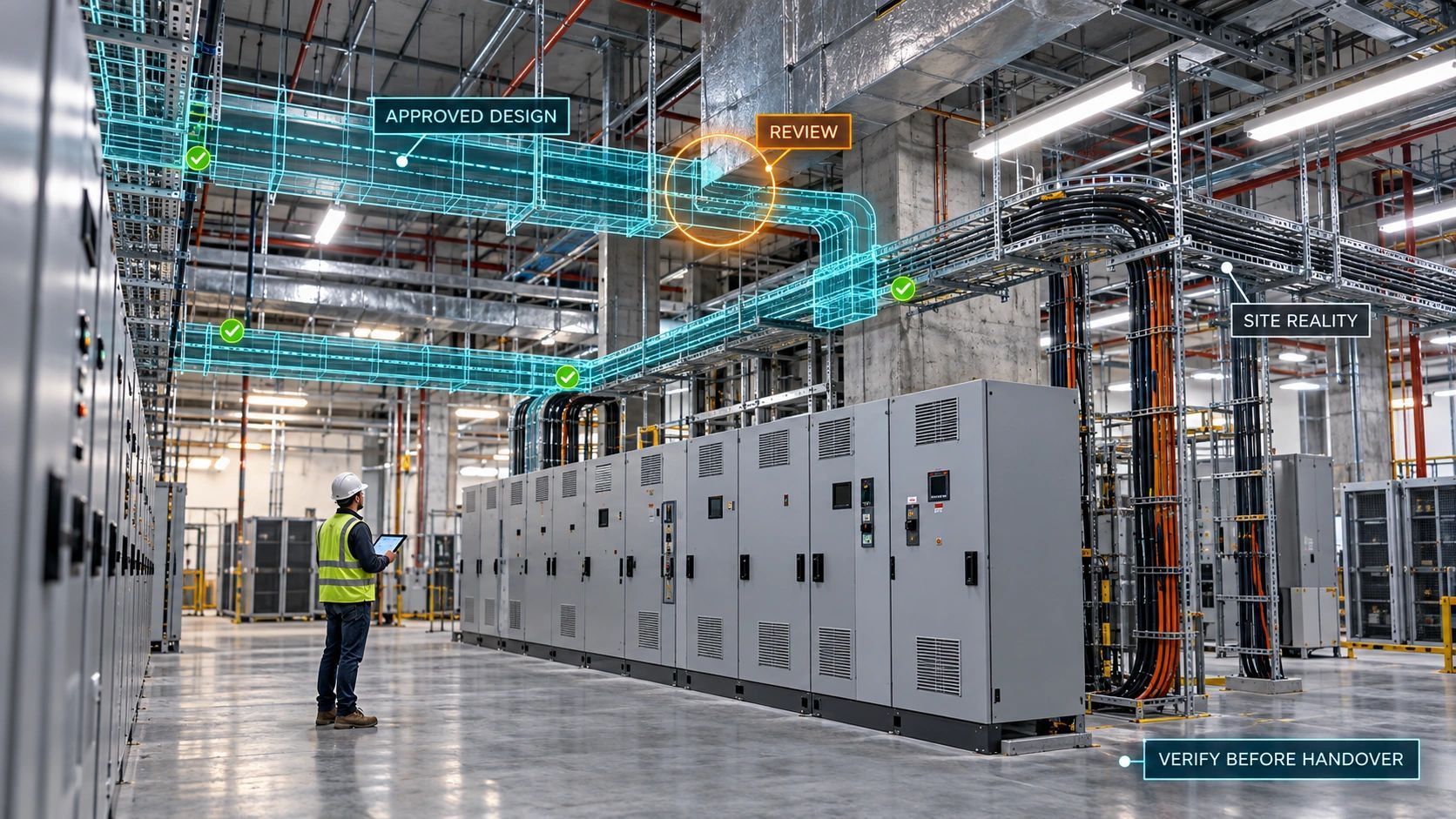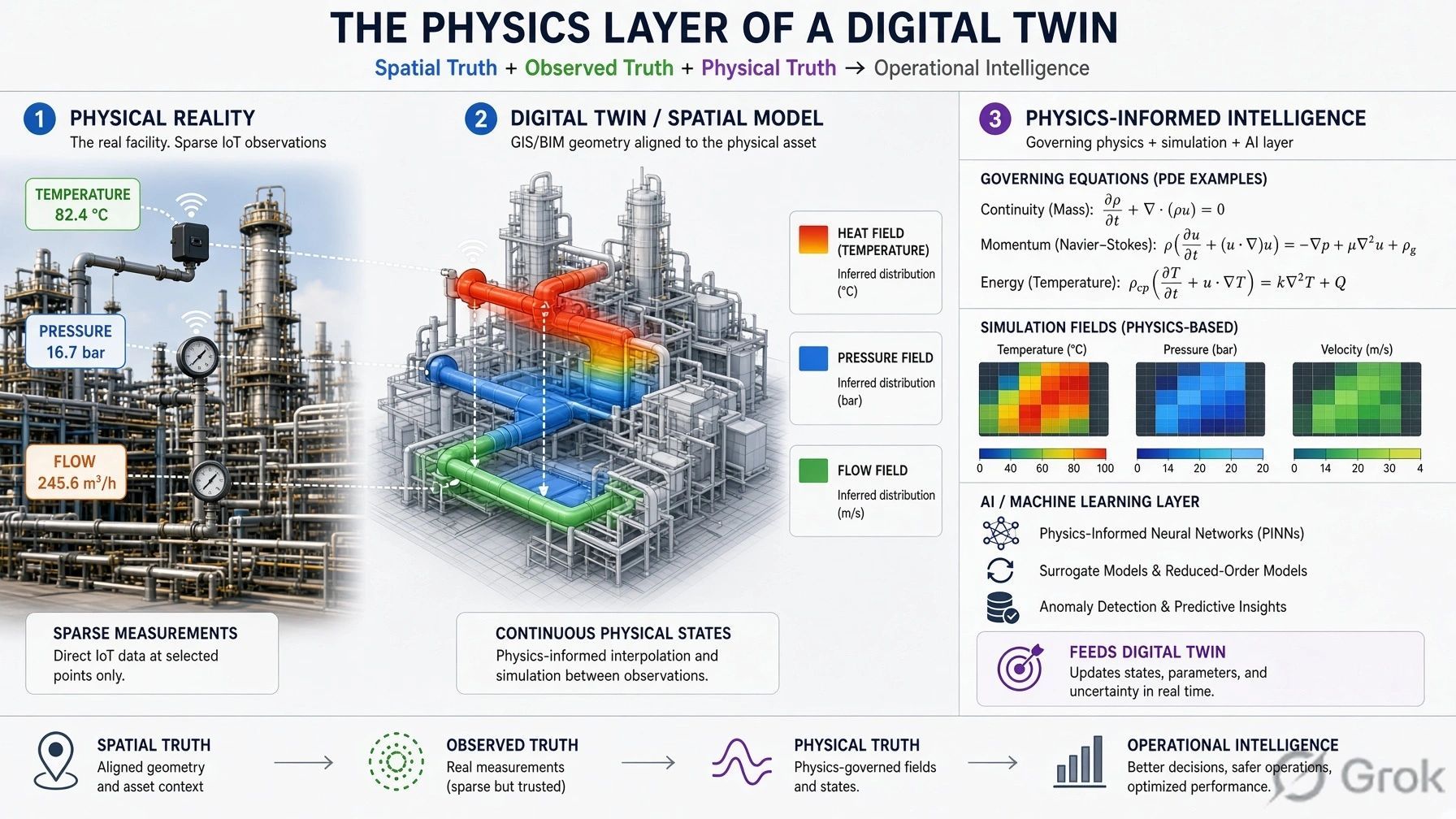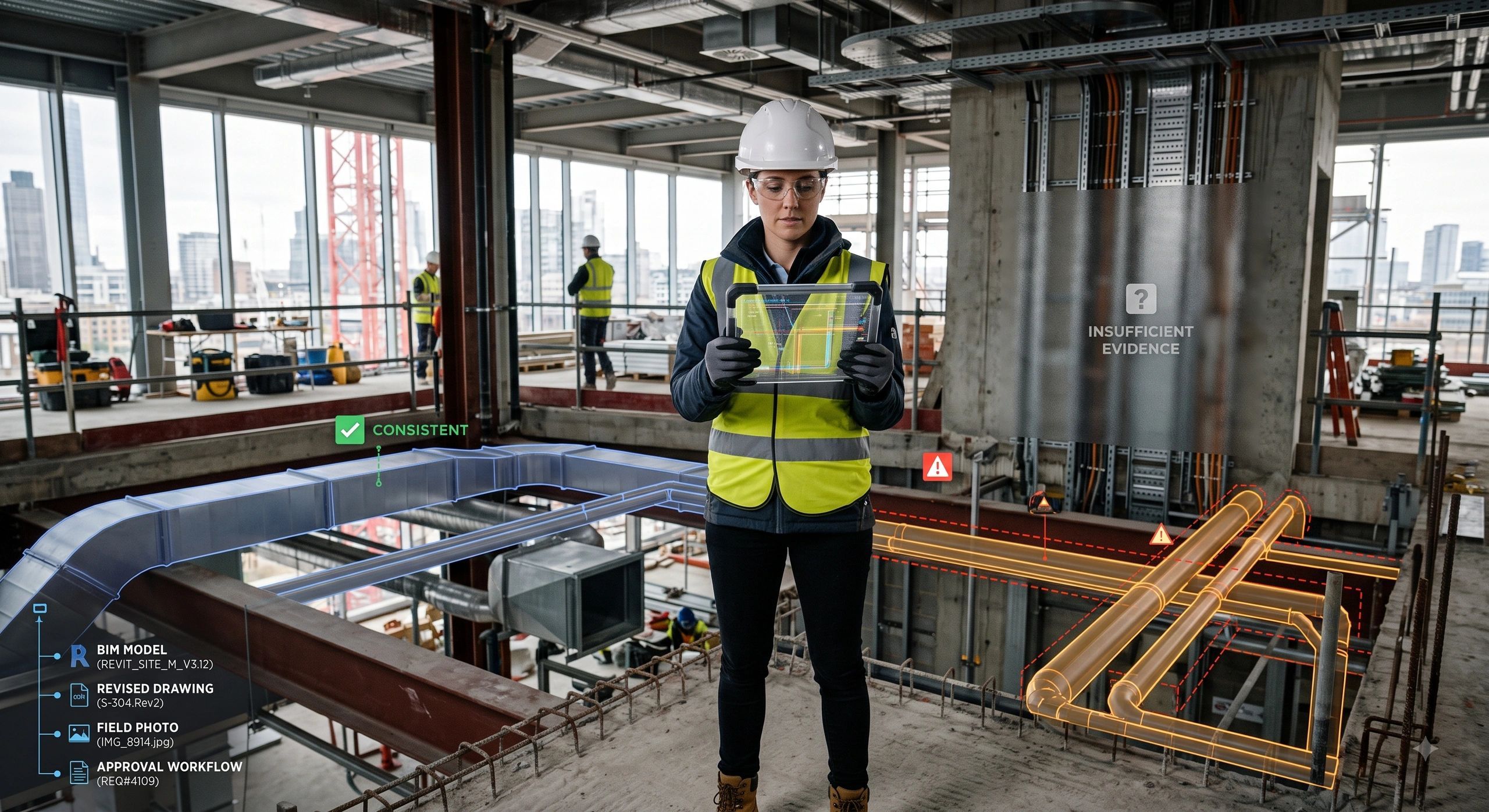
An infrastructure project can have every requested position filled and still struggle to produce a usable asset handover.
The BIM engineers have delivered their models. GIS analysts have prepared the layers. Survey teams have supplied point clouds. Automation specialists have built scripts.
Yet someone still has to reconcile asset identities, resolve conflicting records and establish whether the information is ready for operations.
The client has purchased capacity. The responsibility for making that capacity work together remains fragmented.
AI could make this gap more visible and change what engineering service providers are paid to deliver.
When faster production exposes the coordination problem
Much of the engineering-services market uses a familiar commercial unit: a person, a skill category and a period of time.
That model remains useful when clients need specialist capacity and can manage the work themselves.
But consider what happens when AI accelerates selected production tasks: extracting attributes, preparing scripts, checking naming conventions or drafting documentation.
Producing information faster does not automatically make the resulting information consistent.
A model can pass a naming check while referring to an outdated installation. An asset register can appear complete while containing duplicate identities. A generated report can confidently describe an unresolved discrepancy.
If production accelerates while coordination remains weak, the client may receive more material to reconcile.
The scarce capability becomes the ability to turn contributions from different disciplines into an accepted deliverable.
A market signal, with an important boundary
On 15 October, LTM announced a three-year managed-services agreement with a North American specialty engineering and construction company. The scope covers infrastructure, cybersecurity and application administration, with AI, automation and monitoring supporting an outcome-oriented operating model. ltm.com
This is an IT-services engagement. It does not establish that engineering design or BIM delivery has moved to the same model.
It does, however, raise a useful question for engineering-services firms:
Could clients increasingly purchase a managed delivery capability that combines people, tools, quality controls and accountability?
For BIM, GIS, reality capture and digital-twin work, I would describe that capability as a delivery cell.
What a delivery cell would actually own
A delivery cell is a multidisciplinary team assigned to a bounded deliverable, supported by a repeatable workflow and a named accountable lead.
Its defining feature is the acceptance commitment.
For example, a client could commission a cell to prepare an operational asset-information package for one facility zone.
The scope could include reconciling BIM objects with the asset register, checking spatial references, linking inspection evidence and documenting unresolved discrepancies.
Completion would depend on agreed acceptance criteria. These might require traceable asset identities, validated mandatory fields and explicit disposition of exceptions.
The team composition could change as the work progresses. More survey expertise might be needed initially; more integration and quality expertise later.
The client would still need visibility into capacity and competence. But the central management question would become: Is the agreed package ready, and what evidence supports its acceptance?
One asset shows why this matters
Consider an illustrative brownfield project.
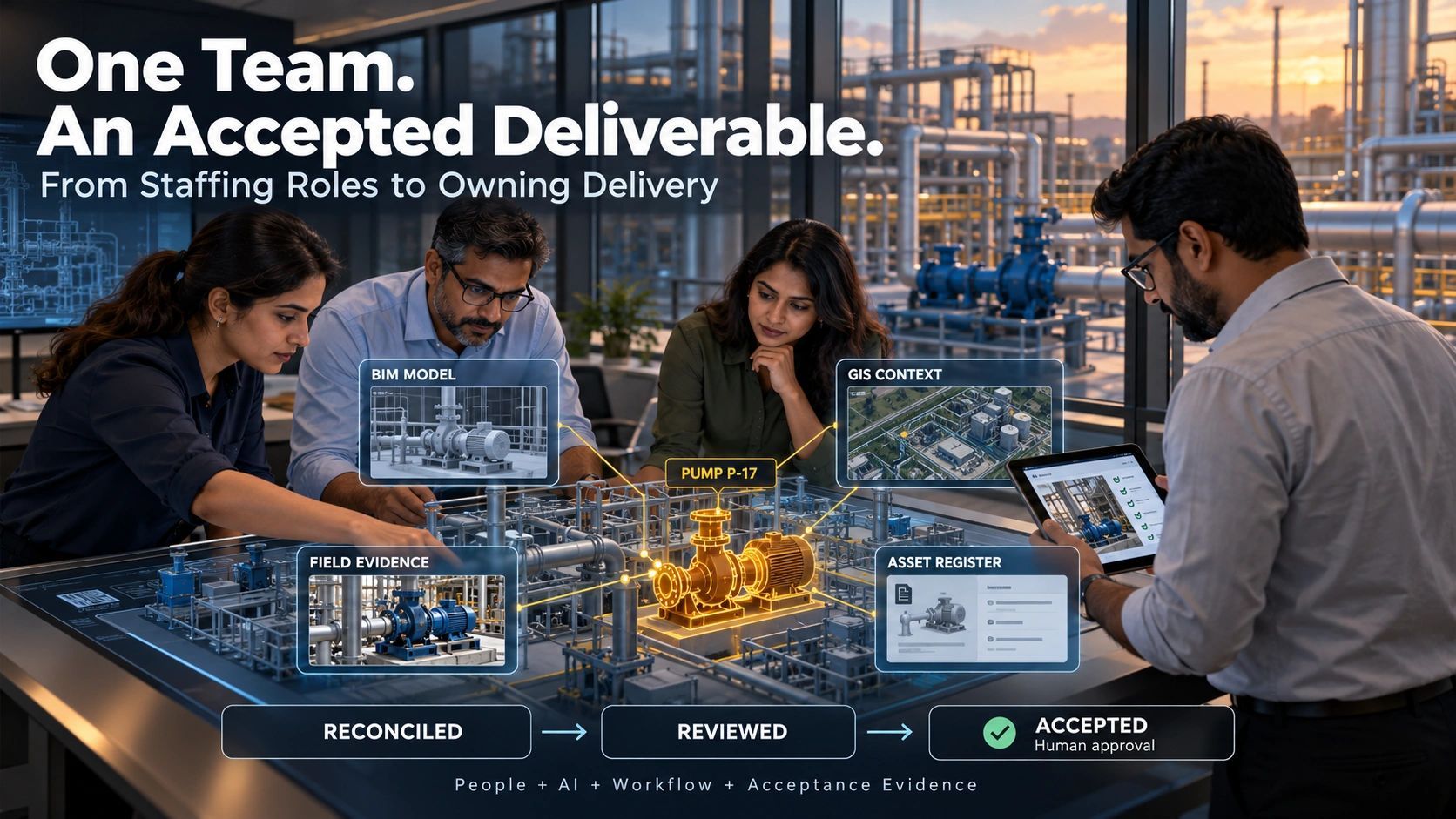
A pump appears in the BIM model, maintenance register and field imagery. Each source carries a different identifier. A replacement has occurred, but one system still describes the previous unit.
Under fragmented delivery, each specialist can complete their assigned task while the disagreement survives.
A delivery cell would own the reconciliation workflow:
- Establish the functional location and identify the installed physical instance.
- Compare available records with field evidence.
- Flag uncertainty requiring another observation or an owner decision.
- Submit the reconciled record for authorized acceptance.
AI could suggest matches and highlight inconsistencies. A specialist would evaluate ambiguous cases. The designated client authority would accept the result.
The valuable deliverable is a usable asset record with a visible basis for trust.
Three things the commercial model must define
For this approach to work, the proposal needs more precision than “we take ownership of outcomes.”
First, define the delivery boundary.
Specify the assets, zones, systems, information requirements and permitted actions. State who supplies source data and how inaccessible areas or missing records affect delivery.
A provider cannot reasonably guarantee field completeness without access to the field.
Second, define acceptance evidence.
Agree how the client will assess identity, completeness, spatial consistency and unresolved exceptions.
A dashboard showing 98% completion means little unless both parties understand the denominator and what qualifies as complete.
Third, define decision rights.
Separate producing a proposed update from approving it. Establish who can amend authoritative records, accept residual uncertainty or request additional investigation.
Accountability becomes practical when authority and obligations are explicit.
Pricing needs to follow controllable value
A delivery cell does not automatically require a pure outcome-based contract.
Some outcomes depend on client access, third-party approvals, source-data quality or decisions outside the provider’s control.
A practical model could combine a mobilization fee, a recurring capacity commitment and payments against accepted work packages. Scope changes and external dependencies would need a clear treatment.
Useful measures could include first-pass acceptance, rework, turnaround time and the age of unresolved exceptions.
Raw production counts need care. A team rewarded only for closing issues may close them prematurely. A team rewarded only for processing assets may favor easy records.
Commercial incentives should reward usable delivery while keeping uncertainty visible.
The workforce implication deserves attention
This model should increase the importance of domain judgement.
An engineer needs to understand what an AI-generated suggestion means for the asset, workflow and client obligation. A GIS analyst needs to recognize when apparently matching records describe different physical instances.
Graduates could learn within cells through supervised responsibility: preparing evidence, investigating discrepancies and explaining why a record passes or fails acceptance.
Senior specialists would need time for review and mentoring. Removing that capacity to maximize short-term utilization would weaken the model.
The workforce challenge is therefore broader than teaching people to use AI tools. It includes teaching them how to deliver, verify and explain work across disciplinary boundaries.
Where platforms fit
A platform can support the cell by connecting asset identities, observations, issues, approvals and revision history.
For BSMA and Dhineu, this suggests a practical development direction: combine workforce capability with spatial integration and an evidence-based delivery workflow.
The platform would help the team see what is known, what remains disputed and who must decide next.
It would still require competent people, reliable inputs and a client willing to define acceptance.
My view is that headcount-based services will remain useful. Alongside them, clients may increasingly seek teams capable of owning a complete, measurable work package.
The strongest proposal may become the one that makes its acceptance commitment clearest and shows how the team will meet it.