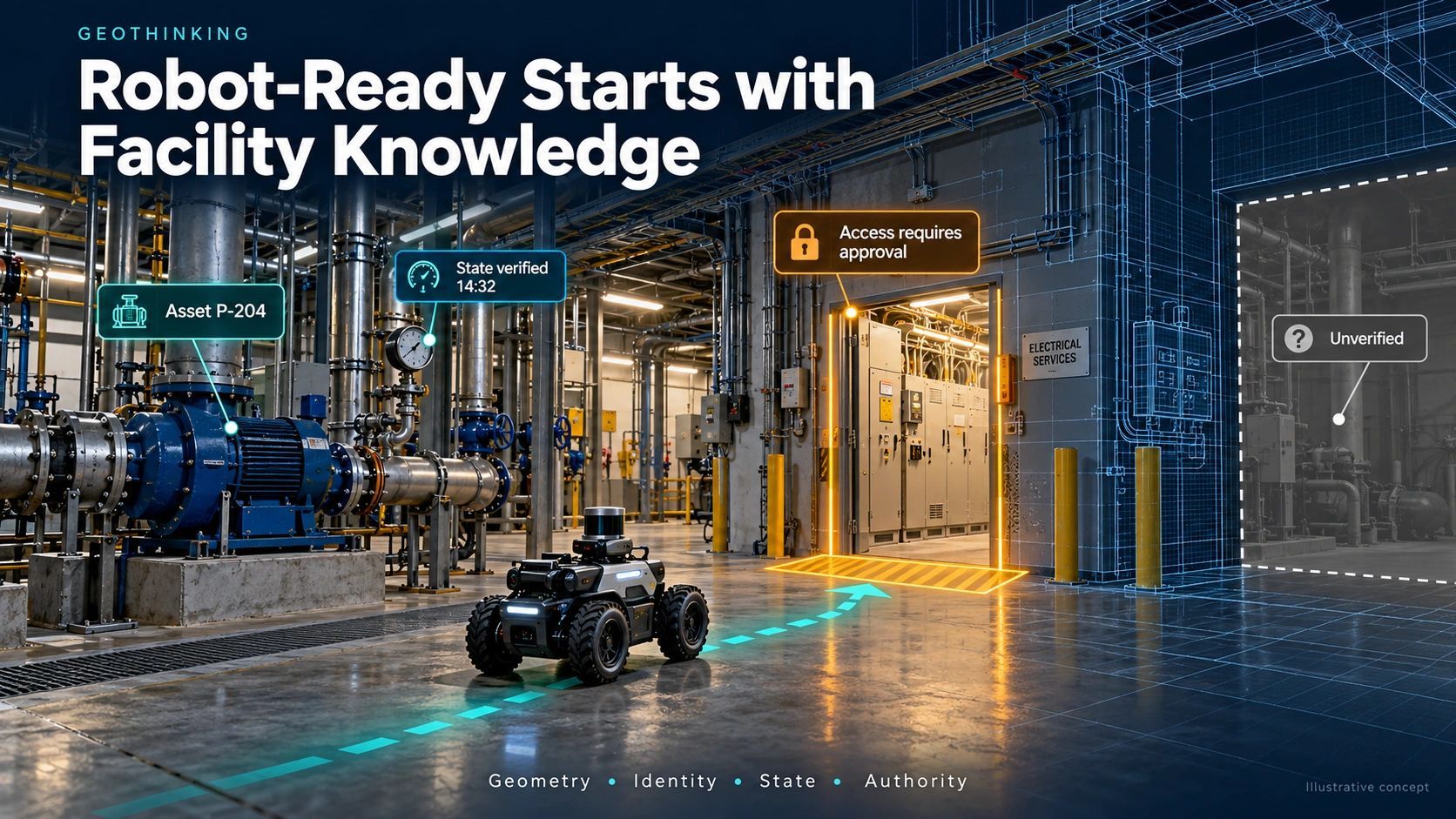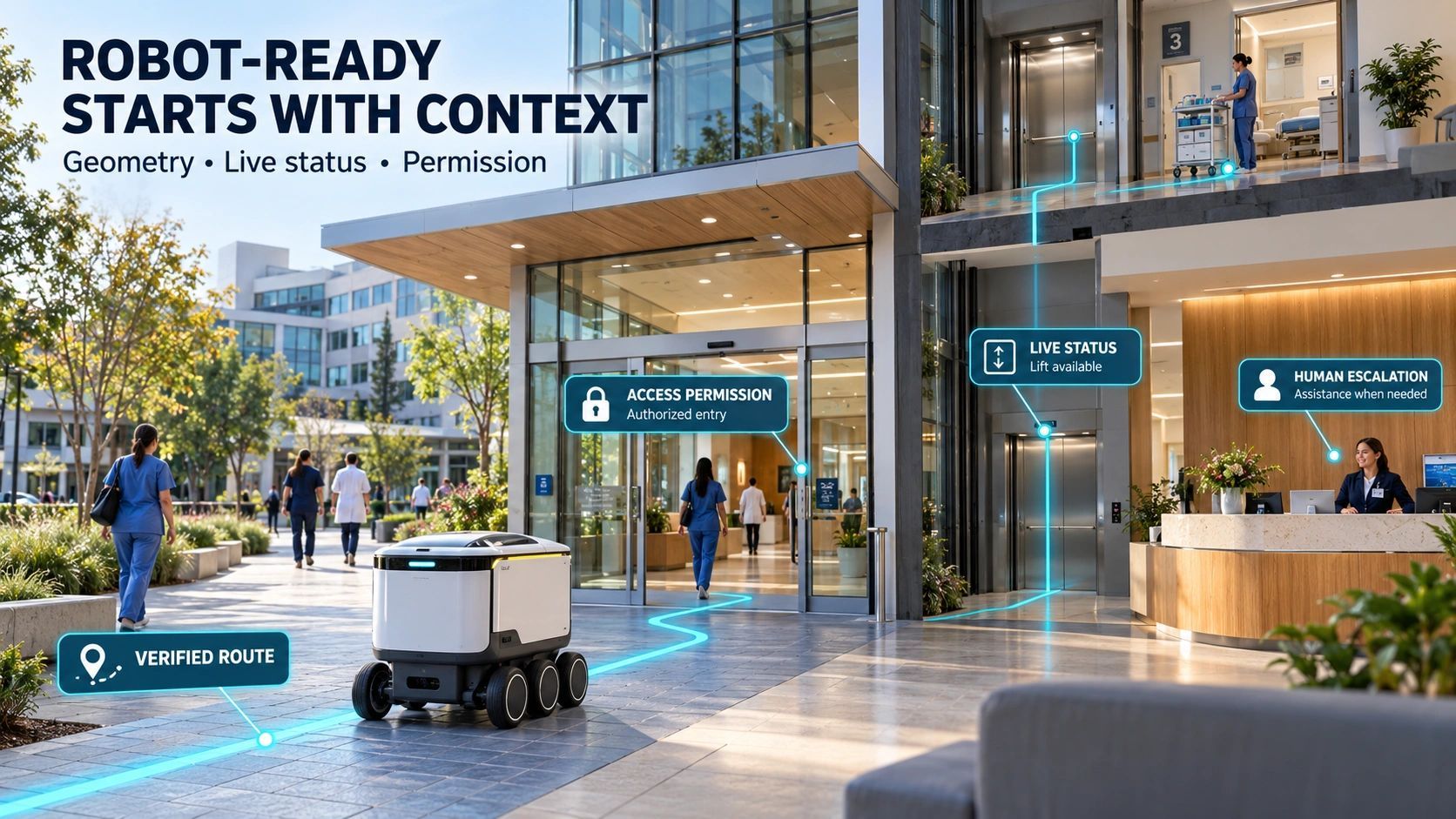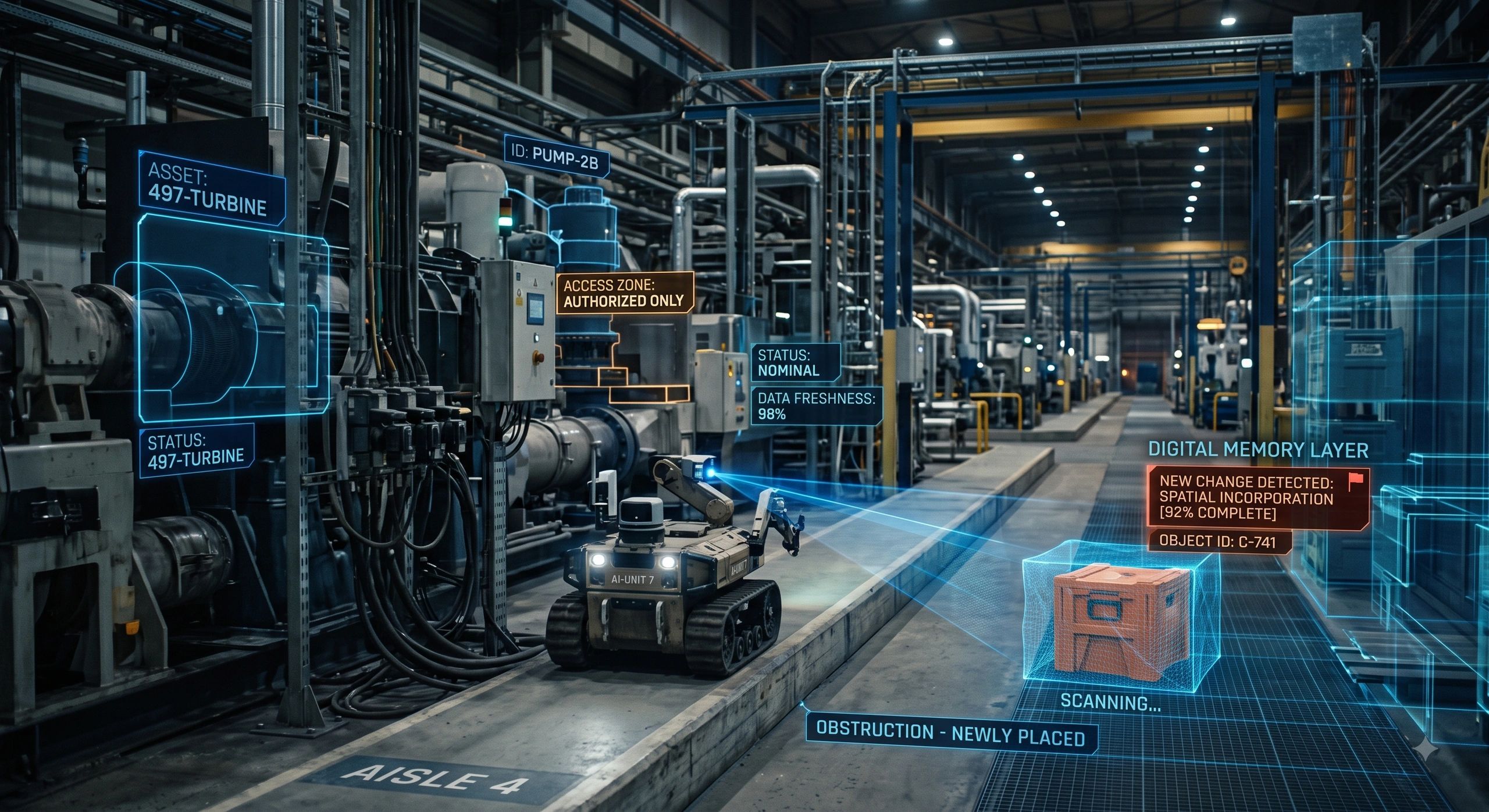
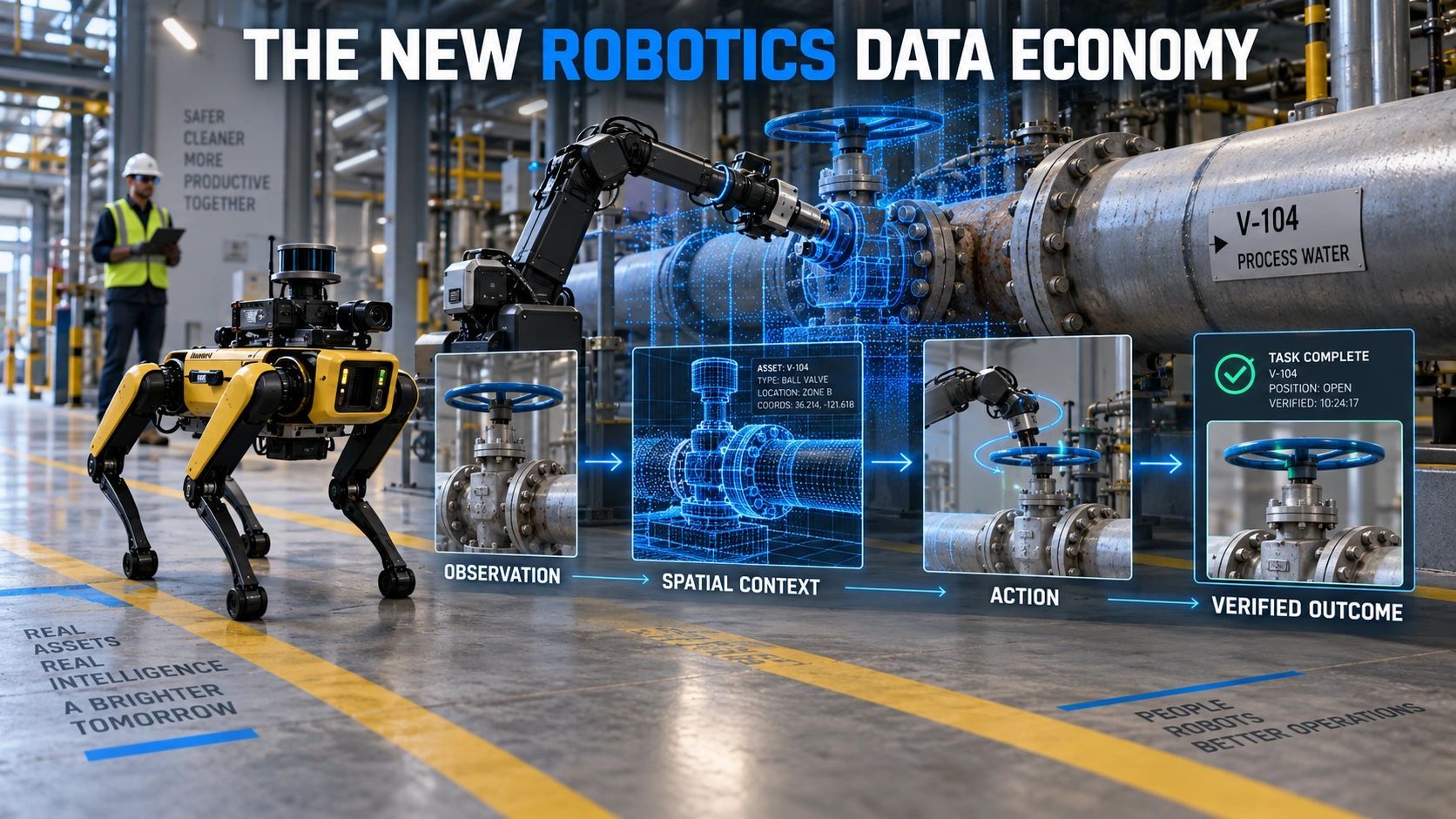
A robot may recognize a valve in a video and still be unprepared to operate it safely. It must also understand where the valve is, how it relates to the surrounding system, what state it is in, which action is permitted and what happened after the action.
That difference is opening a new training-data economy. The valuable unit is no longer simply an annotated image or video clip. It is a structured record of physical interaction.
A recent signal from India makes this shift visible. Digital Divide Data has opened an AI and robotics-focused center in Dehradun. Its work includes multimodal annotation, robotics-oriented egocentric data collection and Physical AI datasets. The center reportedly has about 150 employees and plans to scale towards 800 to 1,000.
The employment number matters. The more important signal, however, is the type of work being created. AI data operations are moving from describing content to capturing how machines perceive and act in physical environments.
The training record is becoming spatial
For language models, a useful training unit might be a question and response. For computer vision, it may be an image, object label and bounding box. Robotics requires a richer chain:
TIME | LOCATION | MACHINE | TASK | OBJECT | OBSERVATION | ACTION | OUTCOME
Each field changes the meaning of the others. A movement that is correct in one coordinate frame may be unsafe in another. A successful grasp may fail when lighting, floor condition, payload or equipment state changes. A robot trajectory without a task and outcome can show motion, but it cannot fully explain whether the motion was useful.
This is why robotics data will increasingly overlap with geospatial systems, BIM, digital twins, reality capture and industrial IoT. These systems already describe assets, geometry, relationships, operating conditions and change over time. They can provide the context that raw robot sensor streams often lack.
But combining the data is not enough. The identities, coordinate systems, timestamps and versions must agree. Otherwise, a technically accurate dataset can teach the wrong physical relationship.
Digital twins could become training infrastructure
Digital twins are usually presented as tools for visualization, monitoring or operations. Robotics introduces another role: the twin can help create, organize and validate training data.
A BIM model can supply machine-readable asset classes, dimensions and relationships. A point cloud can record current geometry. Cameras and depth sensors can show what the robot observed. IoT data can indicate the asset state. Work orders can provide task intent. The robot log can capture the trajectory, command and result.
Together, these sources can produce a training episode that answers six practical questions:
1. What physical object or asset was involved?
2. Where was it, and in which coordinate frame?
3. What condition existed before the action?
4. What did the machine observe and decide?
5. What action did it perform?
6. What changed, and was the result acceptable?
This makes the digital twin more than a representation of the environment. It becomes a governed source of spatial context for simulation, training, testing and post-action verification.
The constraint will shift from volume to trust
Robotics programmes will generate enormous volumes of video, depth, telemetry and trajectory data. Yet volume alone will not produce reliable machines. The harder problem will be deciding which records are trustworthy enough to train on.
A useful robotics dataset needs more than annotation quality. It needs provenance: who or what captured the data, when it was collected, which sensors and calibration were used, which model or operator produced the label, and whether the action outcome was independently verified.
It also needs failure data. Repeatedly training only on clean, successful demonstrations can create a misleading picture of the physical world. Near misses, occlusions, changed layouts, weak connectivity, unexpected human movement and equipment faults may carry greater operational value than another perfect run.
This introduces a commercial distinction. Commodity annotation will remain important, but higher-value work will sit in spatial alignment, semantic mapping, field capture, dataset validation and outcome verification. The providers that can preserve the full evidence chain will be harder to replace than those supplying labels alone.
A three-layer opportunity is emerging
The new economy can be understood through three connected layers.
Capture and preparation
Teams collect egocentric video, depth, LiDAR, telemetry, machine state and field observations. They align the records in space and time, attach asset identities and prepare data for training or simulation.
Context and governance
Platforms connect the robot episode to BIM, GIS, digital-twin, IoT and work-order information. They maintain coordinate references, timestamps, permissions, versions, confidence and provenance.
Validation and operational learning
Specialists test whether the trained system works in real environments, record exceptions and feed verified outcomes back into the dataset. This is where field knowledge becomes essential. A label can say what an object is; domain expertise helps determine whether an action was safe and useful.
For geospatial and engineering companies, this creates an entry point into robotics without manufacturing robots. They can support reality capture, BIM-to-machine semantic mapping, spatial annotation, dataset quality assurance, simulated environment preparation and field validation.
India can compete beyond annotation
India has the workforce scale to participate in this market, but scale alone will not create a defensible position. The stronger opportunity is to combine data operations with engineering, geospatial and domain knowledge.
A team preparing data for a warehouse robot should understand racks, aisles, inventory zones and safety rules. A team supporting construction robotics should understand BIM, temporary works, sequencing and changing site geometry. For agricultural robots, crop stage, terrain, weather and field boundaries matter. For utility inspection, asset hierarchy and network consequence matter.
That combination moves the work from generic annotation towards specialized physical-intelligence services. It also creates a route for skill development: technicians who begin with data preparation can progress into spatial quality assurance, simulation operations, machine testing and robotics-data engineering.
What organizations should prepare now
Organizations exploring Physical AI should not wait for a robot procurement decision before preparing their data. They should begin by identifying which assets, tasks and environments are suitable for structured learning.
A practical starting point is to select one repeatable task and define its evidence model: asset identity, location, precondition, permitted action, sensor inputs, success criteria and verification method. The next step is to test whether BIM, GIS, IoT, video and work-order records can be linked without losing time, coordinate or version context.
The final question is ownership. Training records derived from a facility may contain operational knowledge, safety procedures, asset configurations and human behavior. Contracts will need to define who may reuse the data, whether it can train models for other customers, how people are protected and how sensitive environments are secured.
The competitive asset will be the evidence chain
Robotics will create demand for more cameras, simulators and annotation. But the durable value will sit in the evidence chain connecting observation to physical outcome.
The winning dataset will not merely show that a robot moved. It will explain which machine acted, on which asset, at which place and time, under which conditions, using which evidence, with what result.
That is a spatial-data problem as much as an AI problem. It gives geospatial, BIM, digital-twin and engineering organizations a credible role in the Physical AI economy: helping machines learn from reality without losing the context that makes reality understandable.