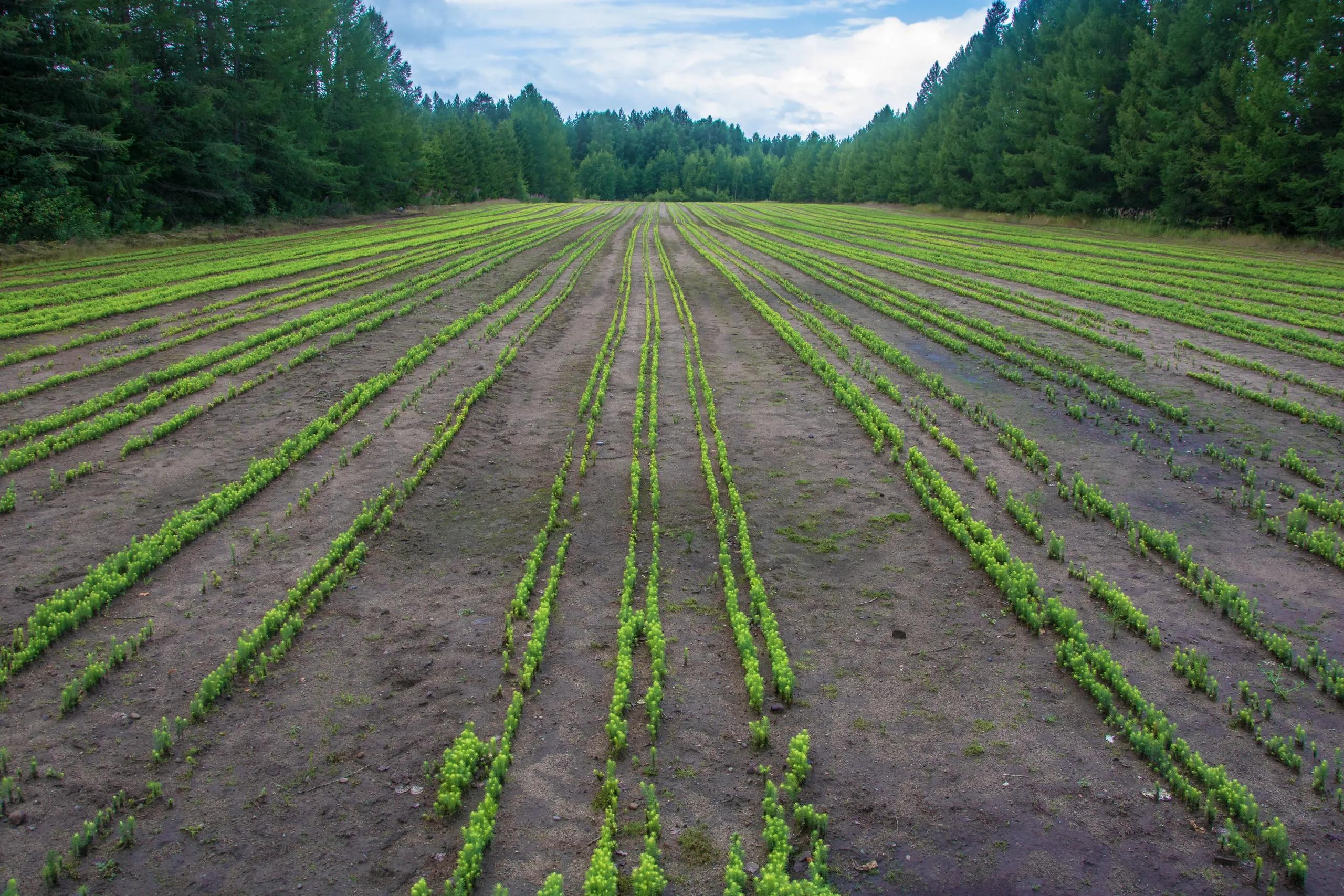
In the rapidly evolving landscape of agriculture, data-driven decision-making is becoming crucial for sustainable farming practices. Predictive analytics, a key aspect of data science, offers a transformative approach for enhancing agronomic decisions. By leveraging advanced algorithms and statistical models, predictive analytics can analyze historical and real-time data to forecast future outcomes. This capability has immense potential to optimize crop management, improve yield, reduce costs, and mitigate risks associated with environmental variability. In this article, we explore how predictive analytics is revolutionizing agronomy, the types of data utilized, and the critical applications that benefit farmers and agricultural stakeholders.
1. Understanding Predictive Analytics in Agriculture
Predictive analytics refers to the use of data, statistical algorithms, and machine learning techniques to identify the likelihood of future outcomes based on historical data. In agriculture, this approach allows for more accurate forecasts of weather patterns, soil conditions, pest outbreaks, and crop yield. It empowers farmers to make informed decisions about planting, irrigation, fertilization, pest control, and harvest timing.
At the core of predictive analytics in agronomy lies a combination of big data and advanced computational techniques. Data sources range from satellite imagery and IoT sensors to historical yield data and environmental factors. Machine learning models then process this data to provide actionable insights. By integrating these predictions into their operations, farmers can achieve greater productivity and sustainability.
2. Types of Data Used in Predictive Agronomic Models
The efficacy of predictive analytics depends largely on the quality and diversity of data used in the models. Several key data types play a role in generating accurate agronomic predictions:
Weather Data: Climate is one of the most unpredictable variables in agriculture. Predictive models use meteorological data, including temperature, humidity, precipitation, wind speed, and solar radiation, to forecast weather conditions and their potential impact on crops.
Soil Data: Soil health is fundamental to crop growth. Predictive models rely on data such as soil texture, moisture content, nutrient levels, pH, and organic matter. Advanced sensors and satellite-based remote sensing technologies help monitor soil properties in real-time, enabling more accurate predictions.
Crop Data: Historical and real-time crop data, such as growth rates, yield patterns, and phenological stages, are essential for predicting future crop performance. This data can be collected from farm management systems, satellite imagery, or directly from on-field sensors.
Pest and Disease Data: Predictive analytics also factors in the probability of pest infestations and disease outbreaks by analyzing trends in pest populations, disease prevalence, and environmental conditions that favor their spread.
Market Data: Besides environmental and biological factors, market dynamics like demand fluctuations, price trends, and supply chain constraints can influence agronomic decisions. Incorporating economic data into predictive models helps farmers make informed decisions about crop selection and harvest timing.
3. Applications of Predictive Analytics in Agronomy
Predictive analytics can transform agronomy by enabling precision farming, optimizing resource allocation, and improving long-term sustainability. Below are some critical applications of predictive analytics in agriculture:
a) Crop Yield Prediction
One of the most direct applications of predictive analytics in agriculture is crop yield prediction. By analyzing historical yield data and correlating it with environmental factors like weather patterns, soil health, and management practices, predictive models can forecast the potential yield of a particular crop. This information is invaluable for farmers when deciding which crops to plant, determining optimal planting schedules, and managing inputs such as water and fertilizer.
For instance, machine learning models can analyze past crop performance data alongside weather forecasts to estimate future yields. These predictions enable farmers to adjust their farming practices proactively, potentially increasing overall productivity while minimizing waste.
b) Optimizing Irrigation and Water Management
Water is one of the most critical resources in agriculture, and its efficient use is vital for sustainable farming. Predictive analytics allows farmers to monitor soil moisture levels, forecast weather conditions, and determine the exact amount of water needed for crops at different growth stages. Predictive models can provide insights into when and how much to irrigate, reducing water wastage and ensuring crops receive adequate moisture for optimal growth.
For example, sensors embedded in fields can collect real-time soil moisture data, which, when combined with weather forecasts, can be fed into a predictive model to recommend precise irrigation schedules. This precision irrigation helps in water conservation and reduces costs for farmers.
c) Pest and Disease Management
Pest infestations and diseases can severely affect crop yields, leading to significant economic losses. Predictive analytics helps farmers stay one step ahead of potential outbreaks by analyzing environmental conditions conducive to pest proliferation and disease spread. By identifying patterns in pest behavior, climate conditions, and crop susceptibility, predictive models can forecast the likelihood of an infestation or disease outbreak.
For example, a predictive model might analyze humidity levels, temperature, and crop growth stages to determine the risk of fungal diseases. Farmers can then take preventive measures, such as applying fungicides or modifying irrigation schedules, to reduce the chances of crop loss.
d) Fertilization and Nutrient Management
Nutrient management is a crucial aspect of agronomy, as over- or under-application of fertilizers can harm crop health and the environment. Predictive analytics enables farmers to make data-driven decisions about nutrient application by analyzing soil nutrient levels, crop requirements, and environmental conditions.
For instance, soil sensors can monitor nutrient levels in real-time, while predictive models can recommend the optimal timing and quantity of fertilizer to apply based on current soil health and weather forecasts. This not only improves crop yield but also minimizes the environmental impact of excessive fertilizer use, such as nutrient runoff into water bodies.
e) Planting and Harvest Scheduling
Timing is critical in agriculture, and predictive analytics helps farmers plan their planting and harvest schedules more effectively. By analyzing weather patterns, soil conditions, and crop growth data, predictive models can recommend the best times to plant or harvest crops to maximize yield and reduce the risk of crop loss due to adverse conditions.
For example, predictive models can forecast periods of extreme weather, such as droughts or frost, enabling farmers to adjust their planting schedules or take protective measures to safeguard their crops.
4. Challenges and Considerations
While predictive analytics offers numerous benefits, there are challenges that need to be addressed for widespread adoption in agronomy. Data quality and availability are crucial for building accurate predictive models. Many smallholder farmers may not have access to high-quality data, advanced sensors, or IoT devices, limiting their ability to fully leverage predictive analytics.
Moreover, the integration of predictive analytics into existing farm management systems requires investment in technology and training. Farmers need to understand how to interpret the results of predictive models and incorporate them into their decision-making processes. Partnerships with technology providers, governments, and agricultural organizations can play a critical role in overcoming these barriers.
Another consideration is the dynamic nature of agriculture, where unpredictable variables like extreme weather events or sudden pest outbreaks can impact the accuracy of predictive models. Continuous model refinement and updates based on real-time data are essential for maintaining the reliability of predictions.
Our solutions address the challenges of data quality and availability by integrating accessible IoT devices, remote sensing technologies, and partnerships with local agricultural organizations to ensure even smallholder farmers can leverage high-quality data. Additionally, we offer intuitive platforms and hands-on training to help farmers interpret predictive model outputs, seamlessly incorporating them into their decision-making processes. Our continuous model refinement, driven by real-time data inputs, ensures accuracy in dynamic farming environments, mitigating risks posed by unpredictable variables like extreme weather or pest outbreaks.
5. The Future of Predictive Analytics in Agronomy
As agriculture faces increasing pressure to produce more food sustainably, predictive analytics will become an integral part of modern farming. Advances in machine learning, IoT, and remote sensing technologies will further enhance the accuracy and accessibility of predictive models, making them more valuable to farmers worldwide.
By integrating predictive analytics into agronomic practices, farmers can improve decision-making, optimize resource use, and increase productivity while reducing environmental impact. As the technology continues to evolve, the potential for predictive analytics to revolutionize agriculture will only grow, paving the way for a more sustainable and resilient global food system.
In conclusion, predictive analytics is an invaluable tool in the modern agronomic landscape. By leveraging vast amounts of data, it enables farmers to make more informed decisions about crop management, water usage, pest control, and fertilization. Despite challenges related to data access and model complexity, the future of predictive analytics in agriculture looks promising, offering a pathway to more efficient and sustainable farming practices.