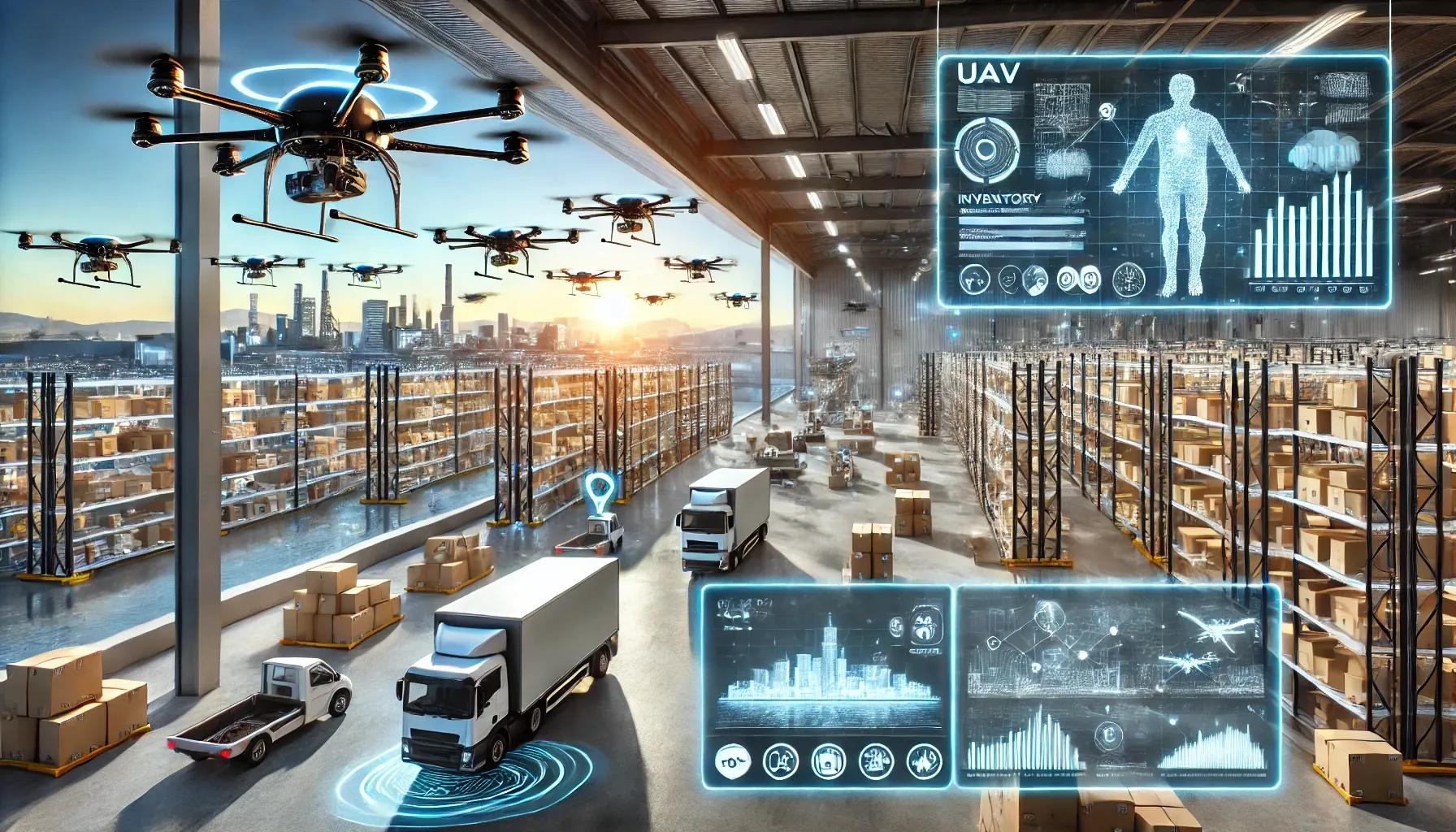
The logistics and supply chain management industry has been witnessing unprecedented changes, driven by the integration of cutting-edge technologies. Among these, Unmanned Aerial Vehicles (UAVs), commonly known as drones, are playing a transformative role. Their potential to enhance efficiency, reduce costs, and improve delivery times has made them a focal point for businesses aiming to optimize their supply chain operations.
The Evolution of UAVs in Logistics
The evolution of UAV technology has been rapid, with significant advancements in payload capacity, flight duration, and autonomous navigation systems. Initially developed for military applications, UAVs have now found a myriad of commercial uses, particularly in logistics and supply chain management. Their ability to navigate through challenging terrains and deliver goods quickly and efficiently has opened new avenues for businesses.
Key Applications of UAVs in Logistics
Last-Mile Delivery : One of the most promising applications of UAVs is in last-mile delivery. Traditional delivery methods often face challenges such as traffic congestion, which can lead to delays and increased costs. UAVs can bypass these issues by flying directly to the delivery destination. Companies like Amazon and Google have already initiated pilot programs demonstrating the feasibility of drone-based deliveries.
Inventory Management : UAVs equipped with advanced sensors and cameras can perform inventory checks in warehouses. These drones can fly through large storage facilities, scan barcodes, and update inventory records in real-time. This reduces the need for manual inventory checks, saving time and minimizing errors.
Remote Area Access : UAVs are particularly useful in delivering supplies to remote or hard-to-reach areas. In regions where traditional transportation infrastructure is lacking or disrupted due to natural disasters, drones can provide a lifeline by delivering essential goods such as medical supplies, food, and water.
Surveillance and Security : UAVs can be deployed for surveillance and security purposes within supply chain operations. They can monitor large areas, detect intrusions, and provide real-time footage to security personnel. This enhances the security of valuable goods during transit and storage.
Technical Aspects of UAV Integration
Integrating UAVs into logistics and supply chain management involves several technical considerations:
Autonomous Navigation and Control Systems : Modern UAVs are equipped with sophisticated navigation and control systems that enable autonomous flight. These systems use GPS, inertial measurement units (IMUs), and computer vision technologies to navigate and avoid obstacles. Advanced algorithms allow drones to plan optimal flight paths, ensuring efficient and safe deliveries.
Payload Capacity and Battery Life : The payload capacity and battery life of UAVs are critical factors determining their efficiency in logistics. Recent advancements in battery technology and lightweight materials have significantly improved these aspects. High-capacity batteries and energy-efficient designs allow drones to carry heavier loads over longer distances.
Communication and Data Transmission : Reliable communication systems are essential for the real-time tracking and control of UAVs. These systems use cellular networks, satellite communications, and radio frequencies to transmit data between the UAV and the ground control station. Real-time data transmission is crucial for monitoring the drone’s location, status, and environmental conditions.
Regulatory Compliance : The integration of UAVs into logistics operations must comply with regulatory frameworks established by aviation authorities. Regulations vary by country and cover aspects such as flight altitudes, no-fly zones, and safety protocols. Ensuring compliance is essential to avoid legal issues and ensure safe operations.
Benefits of UAVs in Supply Chain Management
Speed and Efficiency : UAVs can significantly reduce delivery times, especially for last-mile deliveries. By flying over traffic and other obstacles, drones can reach their destinations faster than ground-based vehicles. This speed translates to increased efficiency and customer satisfaction.
Cost Savings : Although the initial investment in UAV technology can be substantial, the long-term cost savings are significant. Drones reduce the need for human labor, lower fuel costs, and minimize vehicle maintenance expenses. Additionally, their ability to operate in remote areas reduces the need for costly infrastructure development.
Environmental Impact : UAVs are generally more environmentally friendly than traditional delivery vehicles. They produce fewer emissions and consume less energy, contributing to a reduction in the carbon footprint of logistics operations. This aligns with the growing emphasis on sustainability in supply chain management.
Scalability and Flexibility : UAVs offer scalability and flexibility that traditional logistics methods cannot match. Businesses can deploy drones for various tasks, from small parcel deliveries to large-scale inventory management. This flexibility allows companies to adapt to changing demands and optimize their operations.
Challenges and Future Prospects
Despite the numerous benefits, the widespread adoption of UAVs in logistics faces several challenges:
Regulatory Hurdles : Navigating the complex regulatory landscape is a significant challenge. Different countries have varying regulations, and obtaining the necessary permits for UAV operations can be time-consuming and costly.
Technical Limitations : While UAV technology has advanced considerably, there are still limitations regarding payload capacity, battery life, and flight range. Continuous research and development are required to overcome these technical barriers.
Public Perception and Acceptance : The acceptance of UAVs by the public and businesses is crucial for their widespread adoption. Concerns about privacy, security, and safety need to be addressed through education and transparent communication.
Infrastructure Development : Developing the necessary infrastructure, such as drone ports and charging stations, is essential for the efficient operation of UAVs. This requires significant investment and coordination between public and private entities.
In conclusion, the integration of UAVs into logistics and supply chain management holds immense potential to revolutionize the industry. Their ability to enhance efficiency, reduce costs, and improve delivery times positions them as a key component of future supply chain strategies. However, realizing this potential requires overcoming regulatory, technical, and societal challenges. As technology continues to evolve and regulatory frameworks adapt, UAVs are poised to become an integral part of modern logistics, driving innovation and efficiency in supply chain management.