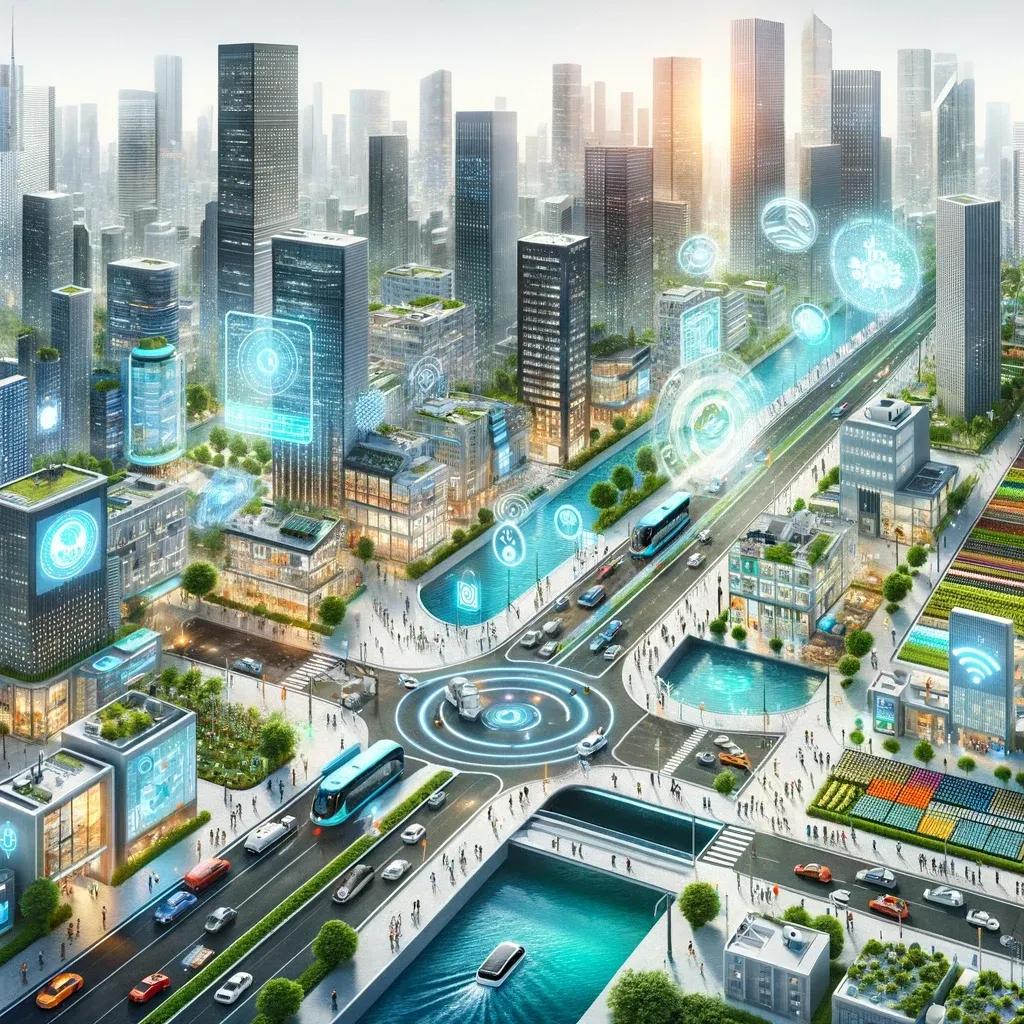
In an era marked by rapid urbanization and technological advancements, smart city innovations stand at the forefront of transforming urban living. These advancements are not just about integrating technology into the cityscape but also about making cities more livable, efficient, and sustainable. Here's a look at the top ten smart city innovations currently reshaping the global urban landscape:
Intelligent Transportation Systems (ITS) are revolutionizing urban mobility. By integrating advanced communication technologies into transportation infrastructure and vehicles, ITS enables real-time data collection and analysis, improving traffic management and reducing congestion. Features like smart traffic signals, adaptive traffic control systems, and advanced traveler information systems are significantly enhancing the efficiency of urban transport networks.
Smart Energy Grids: These grids use digital communication technology to control and automate the delivery of electricity to consumers, thereby enhancing the energy distribution system's efficiency, reliability, and sustainability. Smart grids support the integration of renewable energy sources, like solar and wind, and help in managing energy demand, reducing costs, and minimizing carbon footprints.
Waste Management Solutions: Innovative waste management technologies, such as sensor-equipped waste bins and automated waste collection systems, are streamlining urban waste management. These solutions optimize collection routes and schedules, reduce operational costs, and contribute to cleaner, healthier urban environments.
Urban Environmental Monitoring: Utilizing sensors and IoT (Internet of Things) technology, smart cities can monitor environmental parameters like air quality, noise levels, and water quality in real-time. This data-driven approach enables cities to swiftly respond to environmental issues and develop proactive strategies for improving urban health and sustainability.
Smart Building Technology: Incorporating advanced automation and IoT into building design enhances energy efficiency, reduces operational costs, and boosts occupant comfort. Smart buildings use sensors and AI to optimize lighting, heating, ventilation, and air conditioning (HVAC) systems, contributing to the overall sustainability of urban areas.
E-Government Services: Digital platforms and e-services are simplifying the interaction between citizens and local governments. These services range from online bill payments and service requests to participatory platforms where citizens can voice their opinions and contribute to decision-making processes.
Public Safety and Security Enhancements: Smart technologies like AI-driven surveillance systems, emergency response solutions, and predictive policing tools are bolstering urban public safety and security. These systems enable quicker response times, improved situational awareness, and better resource allocation during emergencies.
Healthcare and Telemedicine: Smart city innovations in healthcare are leading to more efficient and accessible medical services. Telemedicine platforms, AI-based diagnostic tools, and wearable health monitors are making healthcare more personalized and timely, significantly impacting public health outcomes.
Urban Farming and Green Spaces: Technologies like hydroponics, vertical farming, and smart irrigation systems are facilitating urban agriculture, promoting local food production, and enhancing urban green spaces. These innovations contribute to urban sustainability, food security, and the well-being of city dwellers.
Participatory Urban Planning: Advanced data analytics and simulation tools are enabling more inclusive and participatory urban planning. By harnessing big data and engaging citizens through digital platforms, urban planners can make more informed decisions that reflect the needs and aspirations of the community.
In conclusion, these top ten smart city innovations are not just reshaping urban landscapes but are also redefining the very essence of urban living. They promise a future where cities are not only more intelligent and efficient but also more inclusive, sustainable, and humane. As these technologies continue to evolve and intersect, the potential for transformative change in our urban centers is limitless. The journey towards smarter cities is an ongoing one, and it is exciting to envision what the future holds for urban living in this dynamic, digital age.