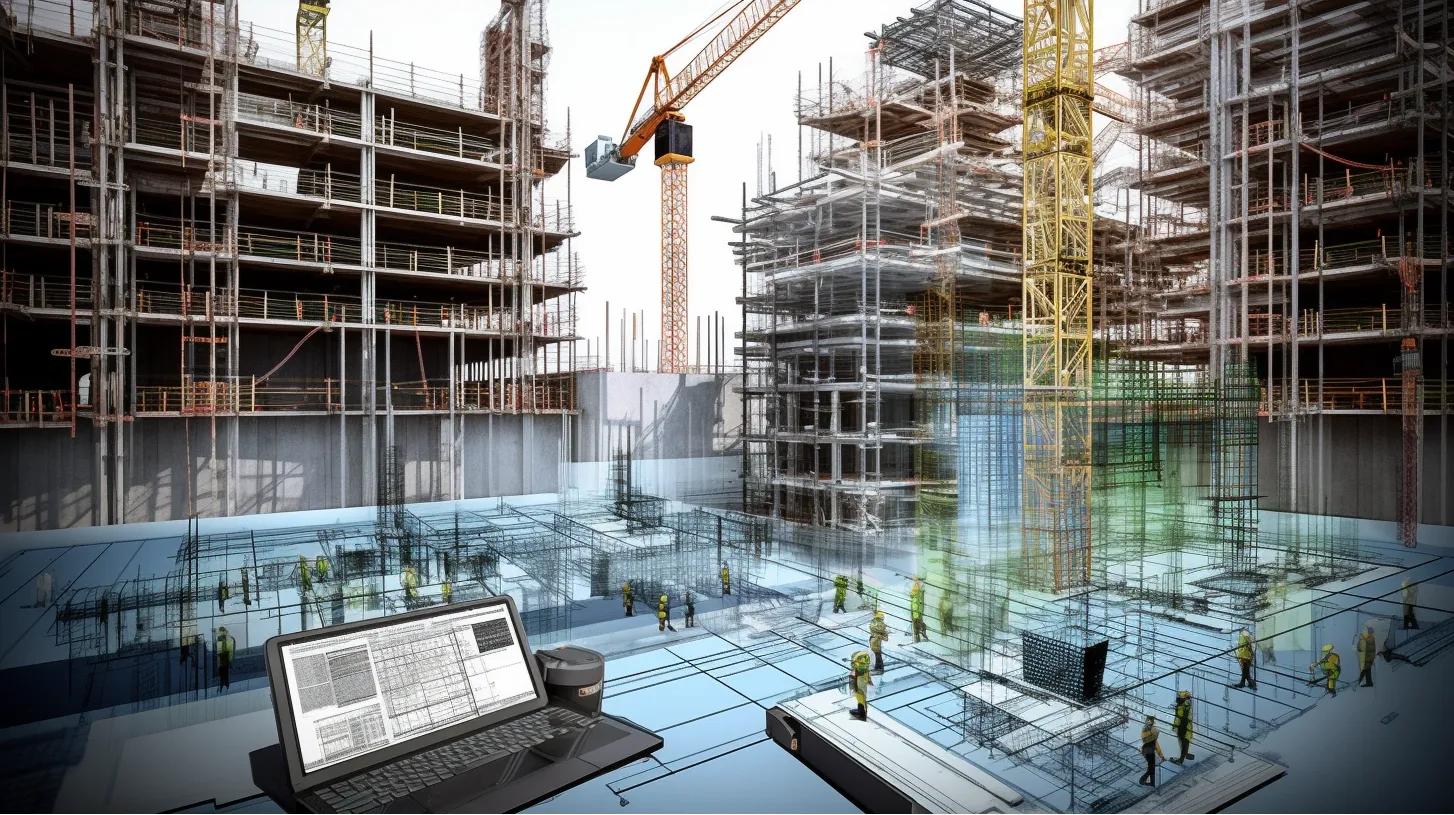
The advent of digital technology in the construction and civil engineering sectors has brought about transformative changes. As these fields merge with advanced technologies like Reality Capture and Digital Twins, the need for intelligent asset management in as-built models becomes imperative. Asset tagging, in this context, serves as the linchpin that enables organizations to unlock new levels of efficiency, safety, and data-driven decision-making. This article delves into the integral role of asset tagging in as-builts, facilitated by the synergy between Reality Capture and Digital Twins.
The Need for Asset Tagging in As-Builts
As-built drawings have traditionally been the final handover deliverables provided to building owners, containing critical information about the finished state of a project. However, 2D plans can be limiting in capturing the multifaceted information associated with each asset. In contrast, a digital as-built model enriched with asset tags becomes a dynamic repository that can store data such as maintenance schedules, warranty information, and operational status, making facility management significantly more efficient.
Reality Capture: A Snapshot of the Real World
Reality Capture technologies like 3D laser scanning and photogrammetry capture precise geometric data and high-resolution images of physical spaces. When integrated into Building Information Modeling (BIM), the captured data can be overlaid onto as-built models to ensure exact alignment and accuracy. The comprehensive dataset provides a foundation for asset tagging, as each asset can be identified, marked, and spatially referenced in the model. This enables the localization of assets in the real world, facilitating maintenance activities and lifecycle management.
Digital Twins: The Virtual Complement
Digital Twins go beyond static models to simulate physical systems in real-time, fed by a continuous stream of data. In an as-built environment, Digital Twins provide the added benefit of dynamic data layers, allowing asset tags to become 'smart tags.' These smart tags can store real-time sensor data, control settings, and analytics. By creating a seamless bridge between the physical and digital worlds, Digital Twins make asset tags actionable, supporting predictive maintenance, energy optimization, and space utilization strategies.
Synergy Between Reality Capture and Digital Twins
The synergy between Reality Capture and Digital Twins creates a comprehensive ecosystem for asset tagging in as-builts. Reality Capture ensures spatial and geometric accuracy, while Digital Twins provide the computational intelligence for asset tags. Together, they enable the following:
1. Data Enrichment
The integration of these technologies allows data from various sources to populate asset tags automatically. This enrichment enhances the data quality and utility for stakeholders.
2. Dynamic Updates
As assets undergo maintenance or replacement, the digital twin can be updated seamlessly, reflecting changes in real-time. This ensures that the as-built model is always up-to-date, significantly reducing the chances of data decay.
3. Decision Support
The marriage of Reality Capture and Digital Twins enables advanced analytics, helping stakeholders make more informed decisions. This includes optimizing repair schedules, predicting equipment failure, and planning renovations.
4. Compliance and Auditing
The technology stack can maintain historical data, thereby making it easier to comply with regulations, standards, and audit requirements.
Implementation Considerations
Technology Stack: It's crucial to choose technologies that are interoperable to ensure a seamless flow of data between Reality Capture tools, BIM software, and Digital Twin platforms.
Data Governance: Given the sensitive nature of the data involved, implementing robust data governance practices is essential for data security and integrity.
Stakeholder Engagement: A multi-disciplinary approach involving architects, engineers, facility managers, and IT specialists can ensure a well-rounded implementation.
Feedback Loops: Continuous improvement is made possible through regular feedback loops, which are integral for the iterative enhancement of asset tagging methods and technologies.
In conclusion, asset tagging in as-builts, powered by Reality Capture and Digital Twins, heralds a new age of intelligent asset management. The confluence of these advanced technologies brings an unprecedented level of detail, accuracy, and utility to asset information. Organizations looking to harness the full potential of their as-built data would do well to invest in this symbiotic technology stack, unlocking new vistas of operational excellence and strategic decision-making.