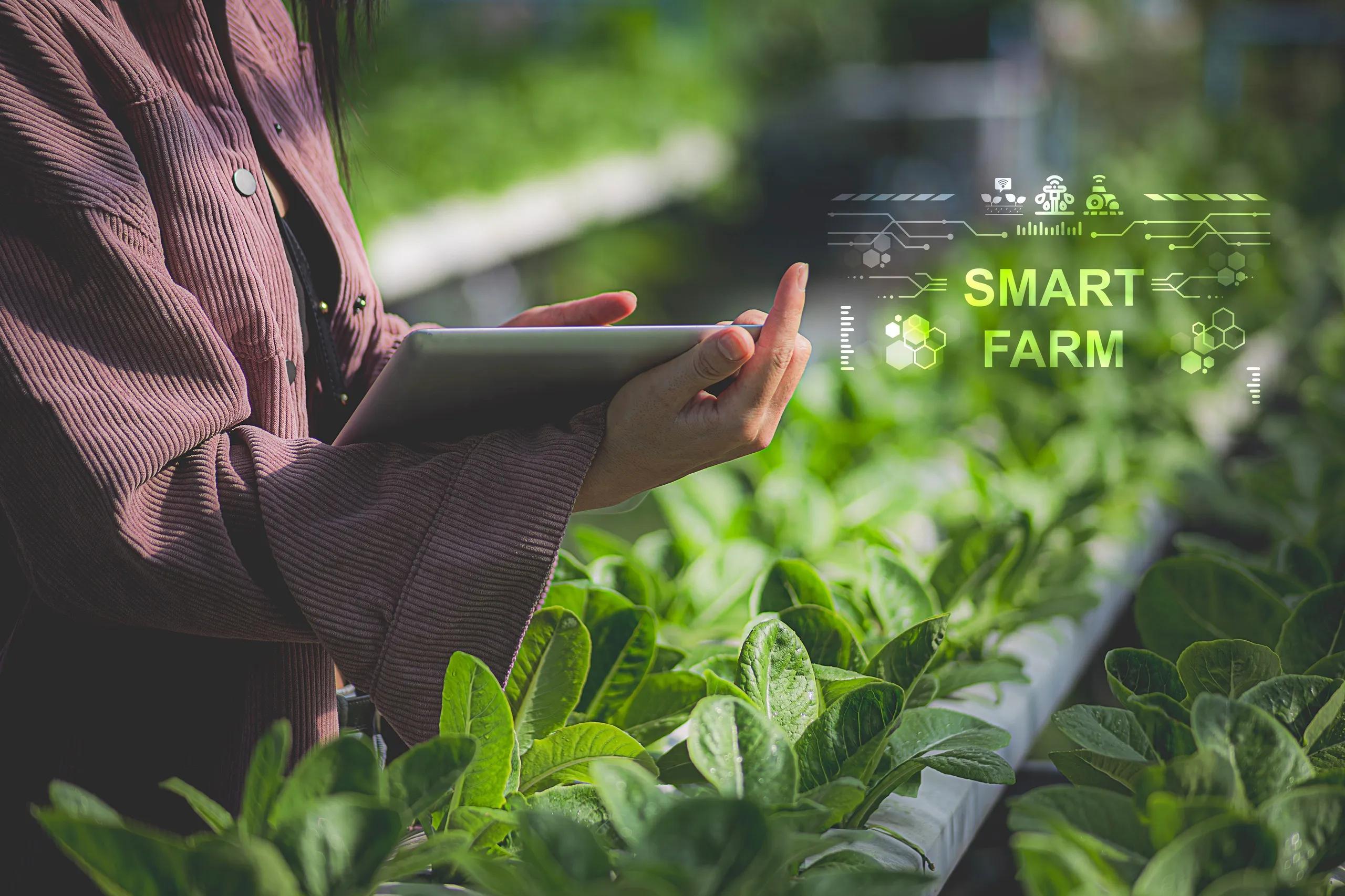
In the face of global challenges such as climate change, population growth, and resource scarcity, modern agronomy is increasingly turning to advanced technologies to optimize crop production. One of the most transformative of these technologies is Artificial Intelligence (AI), which is revolutionizing agricultural practices by providing data-driven insights, improving efficiency, and maximizing crop yields. As farmers strive to meet the rising demand for food while navigating environmental constraints, AI is becoming a critical tool in sustainable and resilient agriculture. This article explores the various ways AI enhances crop yields and the broader implications for modern agronomy.
The Need for AI in Modern Agronomy
Agriculture has long been influenced by traditional practices, with farmers relying on experience and intuition to make decisions regarding planting, irrigation, fertilization, and pest control. However, as farming operations scale up and environmental pressures mount, traditional methods are proving insufficient. The variability in weather patterns, soil conditions, pest behavior, and crop diseases requires more precise and real-time decision-making.
AI’s ability to process large datasets, identify patterns, and predict outcomes in real-time provides a solution to these challenges. By integrating AI-driven tools into their workflows, agronomists and farmers can make informed decisions based on a comprehensive understanding of multiple variables that influence crop health and productivity. As a result, AI is driving a paradigm shift in the way crops are cultivated, monitored, and harvested.
Key AI Applications in Enhancing Crop Yields
1. Precision Agriculture
Precision agriculture is an approach that uses AI to monitor and manage the variability in agricultural processes. Through AI-powered tools such as satellite imagery, drone technology, and sensors, farmers can analyze detailed information about their fields at the micro-level. This allows for site-specific management, ensuring that resources like water, fertilizer, and pesticides are applied only where and when they are needed.
For instance, AI algorithms can process data from multispectral satellite images to identify areas of stress in crops, such as nutrient deficiencies or disease outbreaks. This information can be used to develop precise intervention strategies, minimizing waste and improving crop health. Precision agriculture reduces input costs while maximizing crop yield, ultimately making farming more efficient and sustainable.
2. AI-Powered Crop Monitoring and Predictive Analytics
Continuous monitoring of crops is essential for detecting problems early and taking corrective measures before they impact yields. Traditional manual methods of monitoring large-scale farms are labor-intensive and time-consuming. AI, combined with Internet of Things (IoT) devices such as sensors and drones, automates crop monitoring by collecting real-time data on soil moisture, temperature, humidity, and plant growth.
Machine learning algorithms analyze this data to provide predictive insights, allowing farmers to anticipate potential issues such as droughts, pest infestations, or disease outbreaks. These AI-driven insights help farmers take preemptive actions, such as adjusting irrigation schedules or applying targeted pest control measures. The ability to predict future crop performance and potential risks with high accuracy significantly enhances yield outcomes.
3. Smart Irrigation and Water Management
Water is a critical resource in agriculture, and its efficient use is paramount for both yield optimization and environmental conservation. AI-based irrigation systems leverage data from weather forecasts, soil moisture sensors, and evapotranspiration models to optimize water use. These systems can automatically adjust irrigation schedules based on real-time conditions, ensuring that crops receive the right amount of water at the right time.
For example, an AI-driven irrigation system may predict a rain event based on weather patterns and temporarily suspend irrigation to prevent overwatering. Alternatively, it may detect dry soil conditions in certain areas of a field and deliver water precisely to those areas, preventing water waste and improving crop hydration. The precision offered by AI in water management reduces water consumption and enhances crop yields, especially in water-scarce regions.
4. AI in Soil Health and Fertility Management
Soil health plays a crucial role in determining crop yield. AI technologies are increasingly being used to analyze soil data and offer tailored recommendations for soil management. AI-powered soil sensors can monitor key indicators such as nutrient levels, pH, organic matter content, and compaction, providing farmers with insights into the optimal conditions for different crops.
Machine learning models can analyze historical and current soil data to predict nutrient deficiencies and suggest corrective actions, such as the application of specific fertilizers. AI-driven soil health management reduces the risk of over-fertilization, which can harm the environment and lead to reduced crop productivity. By promoting balanced and data-driven nutrient management, AI helps ensure that crops grow in optimal conditions, leading to higher yields.
5. Pest and Disease Detection
Pests and diseases pose a constant threat to crops, and early detection is key to preventing widespread damage. Traditional methods of pest and disease control often involve the indiscriminate use of chemicals, which can be costly, environmentally harmful, and ineffective against resistant strains.
AI, particularly computer vision and machine learning algorithms, is transforming pest and disease management. AI-powered systems can analyze images from drones or ground-based cameras to identify the early signs of pest infestations or plant diseases. These systems can detect subtle changes in leaf color, texture, or shape, which are often early indicators of problems. Once identified, farmers can take targeted actions, such as deploying biological pest control agents or applying minimal amounts of pesticides to affected areas. This not only reduces chemical usage but also preserves crop health and boosts yields.
Enhancing Decision-Making with AI
AI’s role in modern agronomy is not just limited to operational improvements; it is also transforming decision-making processes. Traditionally, farmers made decisions based on trial and error, experience, or generalized advice from agronomy experts. AI offers data-driven insights that can be customized to the specific conditions of a particular farm.
Decision support systems (DSS) powered by AI analyze multiple data sources – from weather forecasts and soil health reports to market trends and crop performance – to provide actionable recommendations. These systems allow farmers to make more informed decisions about planting schedules, crop rotations, and resource allocations, all of which directly impact yield outcomes. By reducing uncertainty and enabling precision, AI helps farmers increase both the quality and quantity of their harvests.
AI in Genomics and Crop Breeding
Another emerging application of AI in agriculture is its role in crop genomics and breeding programs. By analyzing genetic data, AI can help identify traits that contribute to higher yields, disease resistance, or drought tolerance. AI-powered algorithms can process vast amounts of genomic data to predict how different genetic combinations will affect crop performance.
This accelerates the development of new crop varieties that are better suited to changing environmental conditions or specific market demands. For example, AI can assist in identifying traits that enable crops to grow in saline soils or in areas with limited water availability. By optimizing crop genetics, AI is paving the way for higher yielding, more resilient agricultural systems.
In conclusion, as modern agronomy faces growing challenges, AI is proving to be an indispensable tool for enhancing crop yields. From precision agriculture and smart irrigation to pest detection and genomic research, AI is transforming every aspect of the agricultural value chain. Its ability to analyze vast datasets, generate predictive insights, and offer real-time solutions makes it a powerful ally in the quest for sustainable and resilient farming practices.
The future of AI in agriculture holds even greater promise. As machine learning algorithms become more sophisticated and data collection methods improve, AI will play an even more central role in optimizing crop production, conserving resources, and feeding the world’s growing population. For farmers and agronomists, embracing AI is not just an option – it is a necessity for ensuring the sustainability and productivity of modern agriculture.