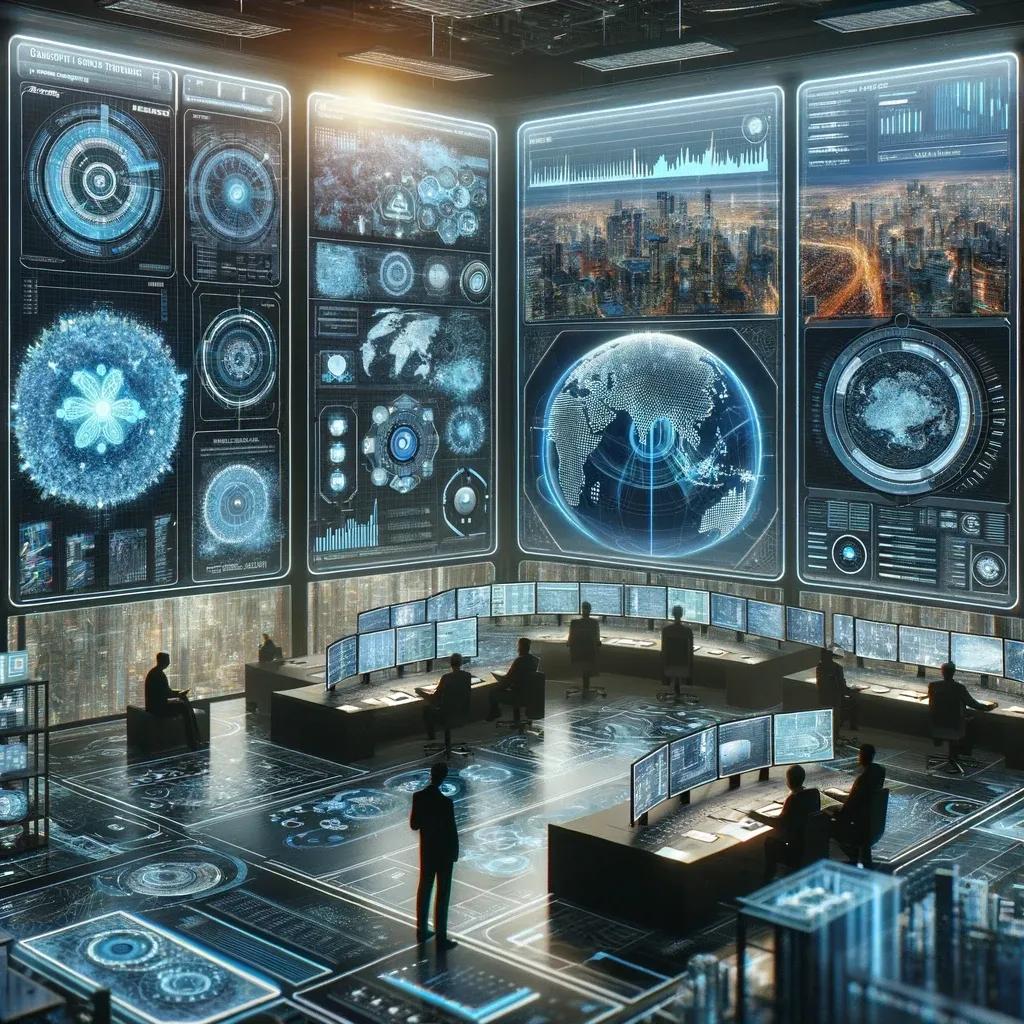
In the evolving landscape of digital transformation, the adoption of digital twin technology stands out as a game-changer across various industries. This innovative technology offers a dynamic, virtual replica of physical assets, processes, or systems, allowing businesses to optimize operations and enhance customer experiences significantly. By integrating real-time data with simulation capabilities, digital twins enable organizations to predict outcomes, streamline maintenance, and deliver personalized services, thereby elevating the overall customer experience.
Introduction to Digital Twins
A digital twin is essentially a digital replica of a physical entity or system. It encompasses a comprehensive model that uses sensors and operational data to mirror the real-world condition of its counterpart. The concept, which originated in development of simulations for space missions, has now proliferated into sectors such as manufacturing, healthcare, urban planning, and more. These virtual models are continuously updated with data collected from sensors embedded in the physical world, ensuring they represent the current state of their real counterparts accurately.
Enhancing Customer Experience through Predictive Analytics
One of the most compelling applications of digital twins is in predictive analytics. By understanding the current conditions and historical data of physical assets, digital twins can forecast future performance and suggest proactive measures. For instance, in the automotive industry, digital twins of vehicles enable manufacturers to predict parts failures before they occur, thereby preventing inconvenient breakdowns and enhancing customer satisfaction. This preemptive approach not only saves costs but also builds trust and loyalty among customers by ensuring reliability and safety.
Personalization of Services
Digital twins facilitate a new level of personalization in customer service. In sectors like retail and real estate, digital twins can simulate customer interactions within a virtual environment, allowing companies to test and optimize the customer journey. For example, a digital twin of a shopping mall could analyze the behavior patterns of shoppers, enabling retailers to tailor product placements and promotional strategies effectively. Similarly, in real estate, potential buyers can explore virtual replicas of properties, experiencing modifications and decorations in real-time, which enriches the buying process and enhances customer engagement.
Optimizing Operations and Maintenance
Operational efficiency is crucial for customer satisfaction, particularly in service-oriented industries. Digital twins contribute significantly to operational optimization by providing detailed insights into asset performance and maintenance needs. For industries like aviation and heavy machinery, where equipment downtime leads to significant customer dissatisfaction and financial loss, digital twins offer a powerful tool for planning maintenance activities without disrupting the customer experience. This approach not only ensures the smooth operation of services but also extends the lifespan of the equipment, which is a direct benefit to the end-users.
Real-time Feedback and Dynamic Adjustments
The integration of IoT with digital twins provides a feedback loop that enables continuous improvement of products and services. This real-time data flow helps businesses react quickly to changes in customer preferences and operational challenges. For instance, in the utility sector, digital twins of electrical grids can help anticipate demand surges and adjust supply accordingly, thereby preventing outages and ensuring consistent service delivery. Such capabilities make it possible for businesses to adapt swiftly and maintain a high level of service quality, thus improving the overall customer experience.
Challenges and Considerations
While the benefits of digital twins are substantial, their implementation is not without challenges. The primary concerns include the high initial investment in technology and infrastructure, the need for specialized skills to manage sophisticated systems, and concerns regarding data privacy and security. Businesses must address these challenges by investing in robust security measures, ensuring compliance with data protection regulations, and fostering a skilled workforce capable of leveraging the full potential of digital twin technology.
In conclusion, the power of digital twins in enhancing customer experience is profound and multifaceted. By providing precise, real-time insights and predictive capabilities, digital twins enable businesses to deliver personalized services, optimize operations, and respond dynamically to customer needs. As organizations continue to embrace this technology, we can expect a significant transformation in how customer value is delivered. The future of digital twins promises not only to enhance the efficiency and effectiveness of existing processes but also to redefine the possibilities for customer interaction in the digital age.
In summary, as businesses strive to stay competitive and relevant in a rapidly changing world, the adoption of digital twin technology offers a strategic advantage by transforming challenges into opportunities for enhancing customer engagement and satisfaction. The integration of digital twins into business operations is not just a technological upgrade but a fundamental shift towards a more agile, responsive, and customer-centric business model.