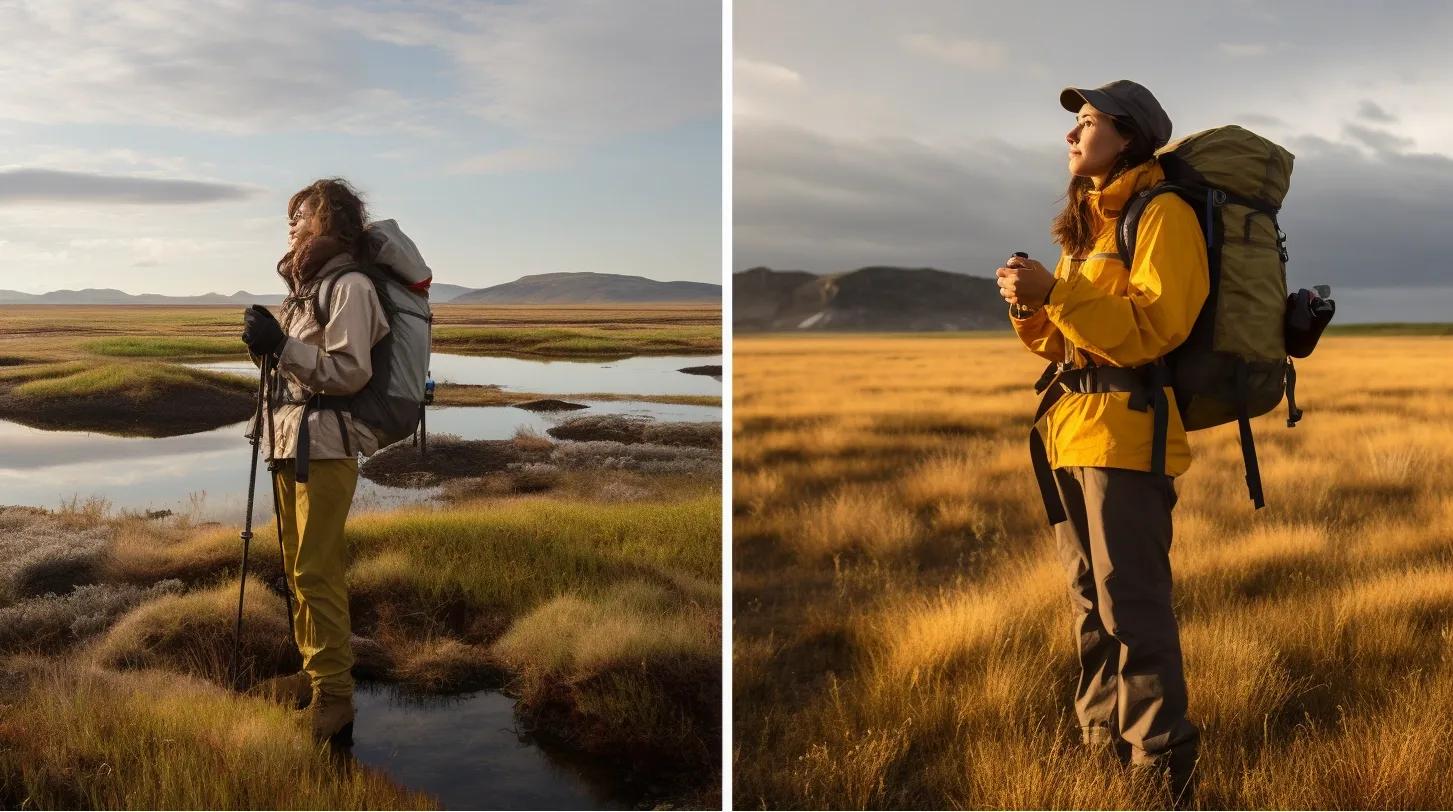
There’s a romance to fieldwork that’s undeniable. The thought of packing up your equipment, venturing into the unknown, and collecting data firsthand is thrilling. However, the reality of working in the field can be quite different. It’s demanding, often costly, and loaded with unexpected challenges. Achieving a streamlined workflow is not a one-step process, but rather a series of iterations, trials, errors, and constant optimization. Here's an insight into that transformative journey.
1. The Allure and Demands of Fieldwork
Fieldwork, whether it's for scientific research, journalism, or anthropology, often begins with a vision of discovery. But with this vision come numerous demands. Time, energy, funds, and physical stamina are at the forefront. Field equipment doesn’t come cheap. There’s also the costs of travel, accommodation, and unexpected contingencies. All these pile up, creating a need for efficient planning.
2. The Learning Curve: First Encounters
No matter how well-prepared one feels at the outset, the first venture into the field will reveal gaps in one's preparations. Equipment might malfunction in real-world conditions, or the data collection process might be slower than anticipated. These unexpected challenges are the true test of one's adaptability. This stage, while frustrating, is vital. It’s the first indicator of the areas that need rethinking.
3. Iterate and Adapt
Post the initial field experience, there's a return to the drawing board. This is when the first wave of optimization happens. With a clearer understanding of the ground reality, workflows are tweaked, equipment might be changed or adjusted, and data collection methods refined. This iterative process might be repeated multiple times until a somewhat stable workflow is achieved.
4. Directed Testing: The Balance Act
Once the glaring issues are addressed, the next stage involves directed testing. This means intentionally pushing boundaries to identify weak points. It could be testing equipment in extreme conditions, or simulating potential challenges to data collection. The purpose is to find the optimal balance between costs, time, and the quality of data. It’s a delicate trade-off, and achieving the sweet spot often takes repeated and focused efforts.
5. Learning from Others
One of the most effective ways to optimize a fieldwork process is by learning from others. Networking with fellow fieldworkers, attending workshops, and reading up on case studies can offer invaluable insights. While every field experience is unique, there are common challenges that many face. By tapping into this collective knowledge, one can avoid reinventing the wheel and instead adopt tried and tested strategies.
6. Embracing Unknowns as Opportunities
Even with an optimized workflow, the field will always present unknowns. Weather changes, equipment failures, or unforeseen events can throw a wrench into the best-laid plans. However, the mindset with which one approaches these unknowns can make a significant difference. Instead of viewing them as obstacles, they can be seen as opportunities to innovate on the spot. This adaptability not only ensures the continuity of work but also enriches the overall field experience.
7. The Ongoing Journey
Achieving an efficient workflow doesn’t mean the process of optimization stops. With technological advancements, changing field conditions, or new research objectives, the workflow will need regular updates. It’s an ongoing journey of learning and adaptation.
Conclusion
The path to an efficient and optimized fieldwork workflow is not a straight one. It’s paved with challenges, mistakes, and valuable lessons. But these very challenges mold the journey, making it rich and rewarding. As one navigates the trials and errors, balances trade-offs, and iterates processes, the result is not just a better workflow, but also a deeper understanding of the field and oneself. Fieldwork, with all its demands and unknowns, remains an unparalleled adventure, and the quest for efficiency only adds to its allure.
Facing Fieldwork Challenges Head-On? Don't let unexpected obstacles slow you down. With our comprehensive suite of products tailored for fieldwork efficiency, you can navigate every challenge confidently. 💼🌍 Ready to transform your fieldwork experience? 🌟 Drop us a message now and discover the difference.