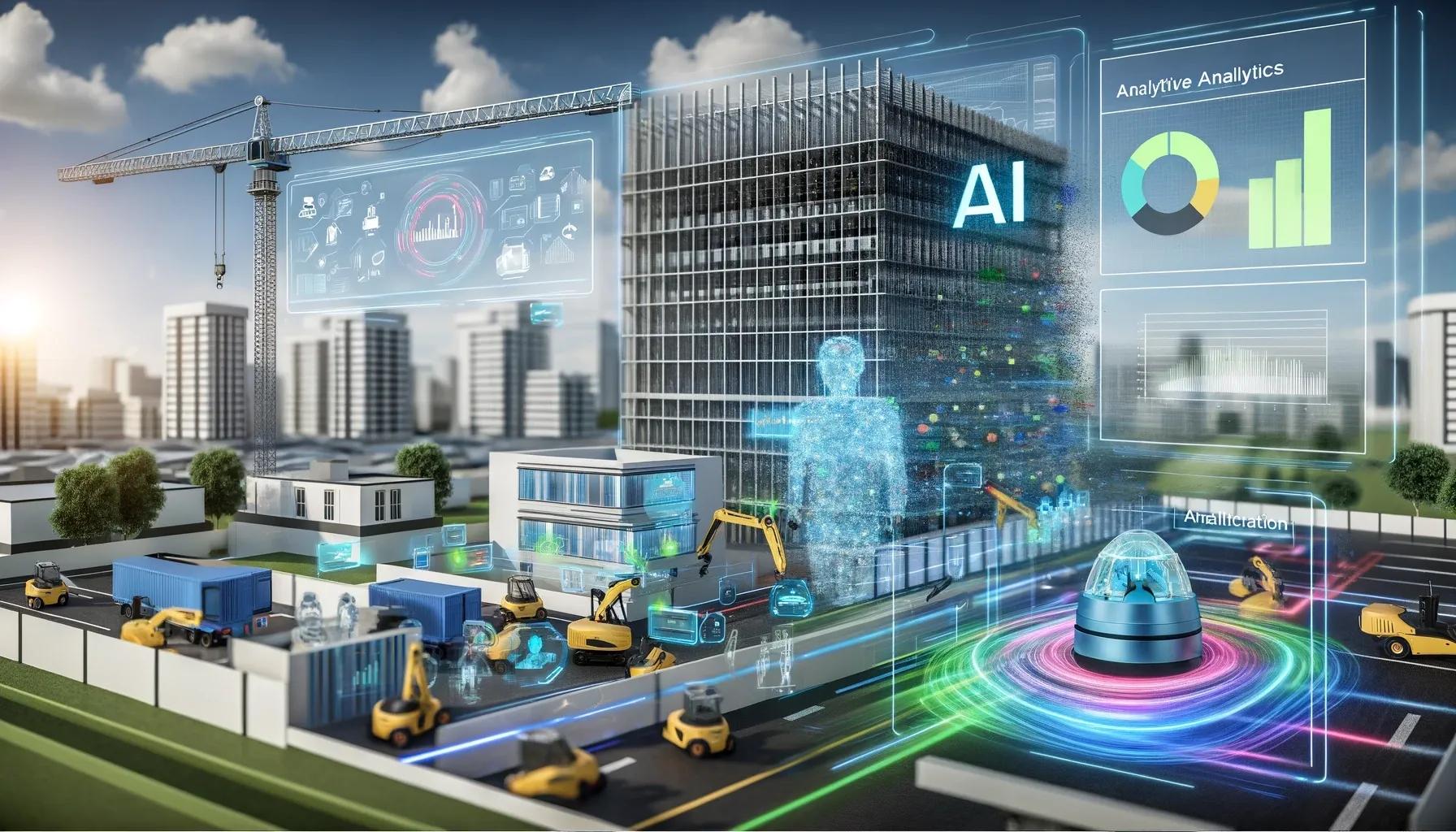
The construction industry has traditionally been slow to adopt new technologies. However, the integration of Building Information Modeling (BIM) and Artificial Intelligence (AI) is set to revolutionize the way we approach construction planning. This intersection is transforming the industry by enhancing efficiency, reducing costs, and improving project outcomes. In this article, we will explore how AI and BIM are converging to reshape construction planning and the profound impacts of this synergy.
Understanding BIM and AI
Building Information Modeling (BIM) is a digital representation of the physical and functional characteristics of a facility. It serves as a shared knowledge resource for information about a facility, forming a reliable basis for decisions during its lifecycle from inception onward. BIM encompasses geometry, spatial relationships, geographic information, quantities and properties of building components, and allows for the integration of diverse datasets.
Artificial Intelligence (AI) refers to the simulation of human intelligence in machines programmed to think like humans and mimic their actions. AI encompasses various subfields, including machine learning (ML), natural language processing (NLP), computer vision, and robotics. In the context of construction, AI can analyze vast amounts of data, recognize patterns, predict outcomes, and automate decision-making processes.
The Synergy of AI and BIM
The combination of AI and BIM creates a powerful toolkit for construction planning, enhancing various aspects of the process:
Data Analysis and Prediction AI-Powered Predictive Analytics: AI algorithms can analyze historical data from previous projects to predict potential risks and outcomes in new projects. By integrating this predictive capability with BIM, construction planners can foresee issues such as cost overruns, schedule delays, and safety hazards, allowing for proactive mitigation strategies. Enhanced Decision Making: The integration of AI with BIM enables more informed decision-making by providing insights derived from data analysis. AI can process large datasets generated by BIM, identifying trends and anomalies that human analysts might overlook.
Design Optimization Generative Design: AI algorithms can generate multiple design options based on predefined constraints and objectives. This process, known as generative design, allows architects and engineers to explore a wider range of possibilities and identify the most efficient and cost-effective solutions. When combined with BIM, generative design ensures that all design options are grounded in accurate, data-rich models. Automated Clash Detection: BIM is already known for its ability to detect clashes between different building systems (e.g., plumbing, electrical, HVAC). AI enhances this capability by automating clash detection and suggesting optimal resolutions, significantly reducing the time and effort required for coordination.
Construction Planning and Scheduling AI-Driven Scheduling: AI can optimize construction schedules by analyzing dependencies, resource availability, and potential bottlenecks. By integrating these insights with BIM models, planners can create more accurate and efficient schedules, ensuring that projects stay on track. Resource Allocation: AI can predict the demand for materials, equipment, and labor based on the project’s BIM data, optimizing resource allocation and minimizing waste. This not only reduces costs but also contributes to more sustainable construction practices.
Risk Management and Safety Predictive Safety Analytics: AI can analyze data from BIM models, combined with historical accident data, to predict potential safety risks on construction sites. This allows for the implementation of targeted safety measures, reducing the likelihood of accidents and improving overall site safety. Real-Time Monitoring: By integrating AI with IoT devices and BIM, construction sites can be monitored in real-time for potential safety hazards. AI can analyze data from sensors and cameras, detecting unsafe conditions and alerting site managers to take immediate action.
Cost Management AI-Powered Cost Estimation: Traditional cost estimation methods can be time-consuming and prone to errors. AI can analyze data from previous projects and BIM models to provide more accurate and timely cost estimates. This helps in budgeting and financial planning, reducing the risk of cost overruns. Automated Procurement: AI can streamline the procurement process by analyzing the BIM data to identify the materials and equipment needed at each stage of construction. This ensures timely procurement and reduces the risk of delays due to material shortages.
Case Studies and Real-World Applications
Several real-world applications demonstrate the transformative power of AI and BIM in construction planning:
Hyderabad Metro Rail, India: The Hyderabad Metro Rail project exemplifies the transformative potential of integrating AI and BIM in large-scale infrastructure projects. By leveraging these technologies, the project overcame numerous challenges, ensuring efficient, safe, and sustainable construction. This project underscores the importance of adopting advanced digital solutions in the construction industry to drive innovation and improve project outcomes.
The Edge, Amsterdam: This innovative office building is one of the most sustainable in the world, thanks in part to the integration of AI and BIM. AI was used to optimize energy efficiency and occupancy comfort, while BIM facilitated the design and construction process. The result is a building that adapts to its occupants' needs and minimizes energy consumption.
Shanghai Tower: This skyscraper used AI and BIM to optimize its design and construction. AI algorithms analyzed various design options to ensure structural integrity and energy efficiency. BIM was used to manage the complex construction process, from planning to execution, resulting in safe and efficient project completion.
Crossrail Project, London: The Crossrail project utilized AI and BIM to manage one of the most complex infrastructure projects in Europe. AI-powered analytics helped predict potential issues, while BIM provided a comprehensive view of the project, facilitating coordination among various stakeholders and ensuring timely completion.
Future Prospects
The intersection of AI and BIM is still in its early stages, but the future holds immense potential. As AI algorithms become more sophisticated and BIM adoption increases, we can expect even greater advancements in construction planning:
Enhanced Collaboration: AI-powered platforms can facilitate collaboration among various stakeholders by providing real-time updates and insights derived from BIM data. This will lead to more integrated and cohesive project management.
Sustainability: AI and BIM can drive sustainability in construction by optimizing resource use, reducing waste, and improving energy efficiency. Future developments may include AI-driven designs that prioritize environmental impact and lifecycle sustainability.
Autonomous Construction: The integration of AI with robotics and BIM could lead to fully autonomous construction sites. Robots equipped with AI can perform tasks such as bricklaying, concrete pouring, and even site inspections, guided by BIM models.
Smart Cities: The data generated by BIM, combined with AI's analytical capabilities, can be used to create smart cities where buildings and infrastructure are interconnected and responsive to residents' needs. This can lead to improved urban planning, efficient resource management, and enhanced quality of life.
In conclusion, the intersection of AI and BIM is transforming construction planning, making it more efficient, cost-effective, and safe. By harnessing the power of AI's predictive analytics, design optimization, and real-time monitoring capabilities, and combining them with BIM's comprehensive digital models, the construction industry can overcome traditional challenges and achieve new levels of innovation. As this synergy continues to evolve, it promises to shape the future of construction, driving sustainability, enhancing collaboration, and paving the way for smart cities. The integration of AI and BIM is not just a technological advancement; it is a paradigm shift that will redefine the construction landscape for years to come.