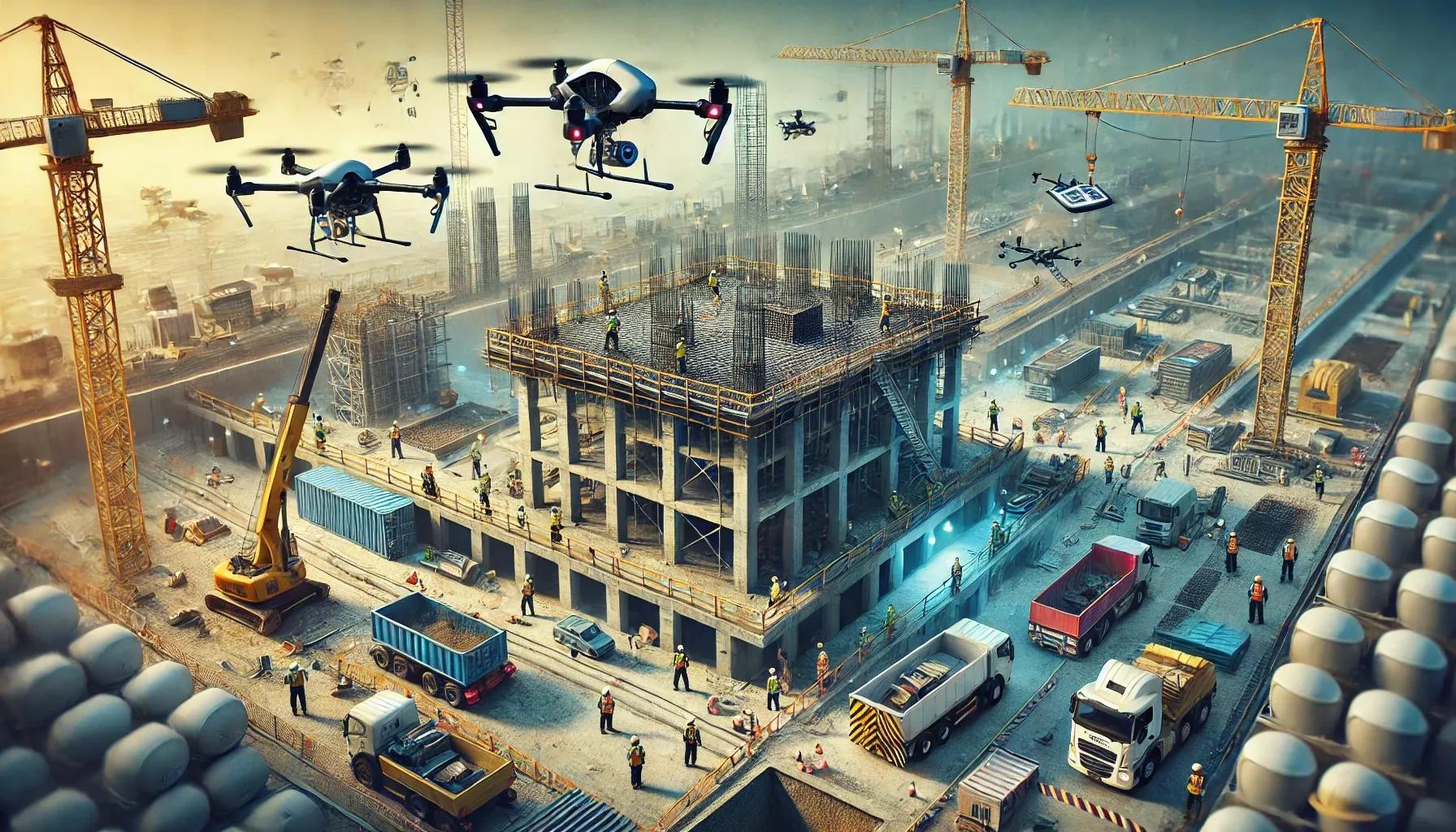
The construction industry is known for its high-risk environment, with workplace safety being a significant concern. Traditional methods of ensuring safety often involve manual inspections and human presence in hazardous areas, which inherently carries risks. Unmanned Aerial Vehicles (UAVs), commonly known as drones, have emerged as a transformative technology, revolutionizing workplace safety in construction. This article delves into the multifaceted impact of UAVs on enhancing safety measures in construction sites.
Enhanced Site Inspection and Monitoring
One of the primary applications of UAVs in construction is site inspection and monitoring. Drones equipped with high-resolution cameras and sensors can conduct detailed inspections of construction sites. These aerial inspections provide a comprehensive view of the site, identifying potential hazards such as unstable structures, unsafe work practices, and areas prone to accidents. By capturing real-time data, UAVs enable safety managers to assess risks without physically entering dangerous areas, significantly reducing the exposure to hazards.
Real-time Data Collection and Analysis
UAVs are capable of collecting vast amounts of data quickly and efficiently. This real-time data collection is crucial for maintaining safety standards on construction sites. Drones can be equipped with various sensors, including thermal, LiDAR, and multispectral cameras, to gather diverse types of data. Thermal sensors can detect overheating equipment or electrical faults, while LiDAR can create detailed 3D maps of the site, highlighting structural weaknesses. The ability to analyze this data in real-time allows for immediate identification and mitigation of potential safety issues.
Improved Hazard Identification
Traditional hazard identification methods rely heavily on manual inspections, which can be time-consuming and often miss subtle yet critical risks. UAVs enhance hazard identification by providing a bird’s-eye view of the construction site. This perspective enables the detection of hazards that may not be visible from the ground. For instance, drones can identify loose materials on elevated platforms, exposed wiring, or areas with inadequate safety barriers. By identifying these hazards early, construction managers can take proactive measures to prevent accidents.
Reduced Human Exposure to Risks
One of the most significant advantages of UAVs is the reduction of human exposure to dangerous environments. Construction sites often have areas that are difficult to access or inherently hazardous, such as high-rise structures, deep excavations, and unstable terrains. Traditionally, workers would need to physically inspect these areas, putting themselves at risk. UAVs can perform these inspections remotely, ensuring that workers do not have to enter potentially dangerous zones. This shift not only enhances safety but also improves efficiency, as inspections can be conducted more quickly and with fewer resources.
Enhanced Communication and Coordination
Effective communication and coordination are vital for maintaining safety on construction sites. UAVs play a crucial role in enhancing these aspects. By providing real-time aerial footage, drones facilitate better communication between site managers, safety officers, and workers. This real-time visual information helps in coordinating tasks, planning safe routes, and ensuring that all team members are aware of the site's current conditions. Enhanced communication leads to better-informed decision-making, reducing the likelihood of accidents caused by miscommunication or lack of awareness.
Emergency Response and Management
In the event of an emergency, such as a fire, structural collapse, or worker injury, UAVs can be invaluable. Drones can quickly reach the affected area, providing real-time visuals to emergency response teams. This immediate access to information allows for a faster and more efficient response, potentially saving lives. Additionally, UAVs can be used to assess the extent of the damage and identify safe evacuation routes, ensuring that emergency procedures are carried out smoothly and safely.
Training and Safety Awareness
UAVs also contribute to improved training and safety awareness among construction workers. By using drones to capture footage of both safe and unsafe practices, training programs can be enhanced with real-world examples. Workers can visually understand the consequences of unsafe behavior and the importance of adhering to safety protocols. Moreover, UAVs can be used to simulate emergency scenarios, providing practical training without exposing workers to actual risks.
Regulatory Compliance
Adhering to safety regulations and standards is a critical aspect of construction management. UAVs assist in ensuring compliance with these regulations. By providing detailed and accurate documentation of site conditions, drones help construction companies maintain comprehensive records of safety inspections and hazard assessments. This documentation can be crucial during safety audits and inspections by regulatory authorities. UAVs also aid in monitoring compliance with specific safety measures, such as the proper use of personal protective equipment (PPE) and adherence to safe working distances from hazardous zones.
Cost Efficiency
While the primary focus of UAVs in construction is safety, their impact on cost efficiency cannot be overlooked. By reducing the need for manual inspections and minimizing the occurrence of accidents, drones contribute to significant cost savings. Fewer accidents mean lower medical expenses, reduced downtime, and fewer legal liabilities. Additionally, the efficiency of UAVs in conducting inspections and monitoring tasks translates to reduced labor costs and shorter project timelines.
Challenges and Considerations
Despite their numerous benefits, the integration of UAVs in construction safety also presents challenges. Regulatory restrictions on drone usage, privacy concerns, and the need for skilled operators are some of the hurdles that need to be addressed. Ensuring that UAV operations comply with local aviation regulations and obtaining necessary permits can be time-consuming. Moreover, the initial investment in UAV technology and training can be substantial, although these costs are often offset by the long-term benefits.
In conclusion, the impact of UAVs on workplace safety in construction is profound and multifaceted. From enhancing site inspections and hazard identification to improving communication and emergency response, drones have revolutionized safety practices in the construction industry. By reducing human exposure to risks and ensuring compliance with safety regulations, UAVs contribute to creating safer construction sites. While challenges remain, the continued advancement and integration of UAV technology holds promise for further improving safety and efficiency in the construction sector. As the industry continues to embrace this innovative technology, the future of construction safety looks increasingly secure and progressive.