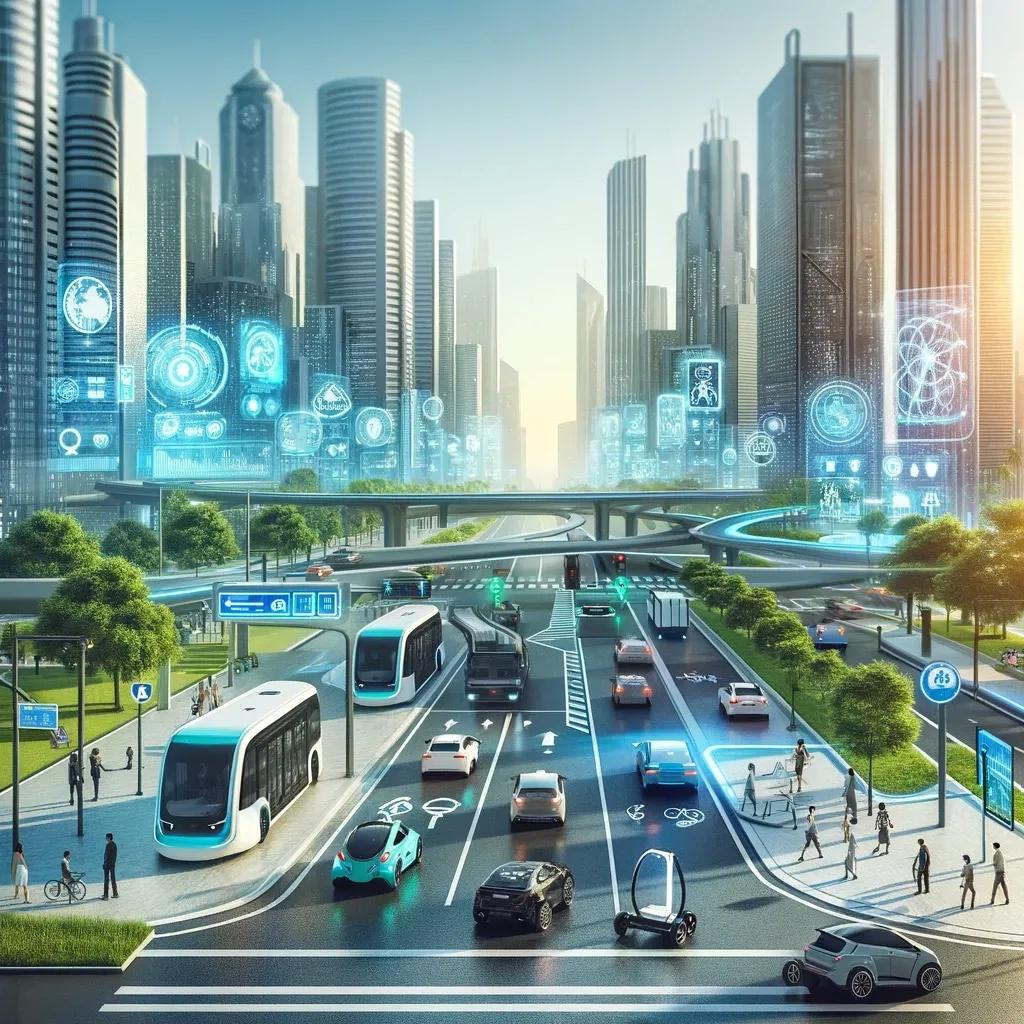
The dawn of the 21st century has ushered in an era where the convergence of technology and urban planning is reshaping the very fabric of urban transportation. Smart city initiatives across the globe are not just a trend but a necessity, driven by increasing urban populations and the imperative need for sustainable development. This article delves into the emerging trends in urban transportation, examining how autonomous vehicles, smart traffic management systems, and eco-friendly public transit options are weaving together to create a tapestry of innovative mobility solutions.
Autonomous Vehicles: The Vanguard of Urban Mobility
One of the most transformative trends in urban transportation is the advent of autonomous vehicles (AVs). These self-driving vehicles, equipped with cutting-edge technology like LiDAR, GPS, and advanced algorithms, promise a future where traffic accidents are drastically reduced and road efficiency is maximized. In cities like Singapore and Pittsburgh, pilot projects have already demonstrated the feasibility and benefits of AVs. By reducing the reliance on human drivers, AVs can optimize routes, decrease traffic congestion, and offer a safer, more reliable mode of transportation.
Smart Traffic Management Systems: The Nerve Center of Urban Mobility
The backbone of smart city mobility lies in smart traffic management systems. These systems utilize IoT sensors, AI algorithms, and real-time data analytics to manage traffic flow efficiently. For instance, adaptive traffic signals can adjust signal timing based on real-time traffic conditions, reducing wait times and improving overall traffic flow. Cities like Los Angeles and Barcelona have implemented these systems, witnessing significant reductions in traffic congestion and improvements in air quality. Smart traffic management extends beyond traffic lights; it encompasses dynamic rerouting, smart parking solutions, and predictive traffic modeling, all aimed at creating a seamless urban transportation network.
Eco-Friendly Public Transit: The Green Arteries of Urban Transportation
As environmental concerns take center stage, eco-friendly public transit options are becoming increasingly vital. Electric buses, hydrogen fuel cell trains, and solar-powered ferries are not just concepts but are becoming realities in many cities. These modes of transport offer a cleaner, quieter, and more sustainable alternative to traditional fossil-fuel-based transportation. Cities like Amsterdam and Copenhagen are leading the way, integrating cycling and walking with public transit and creating a holistic, eco-friendly transportation ecosystem. The key is not just in adopting these eco-friendly options but in integrating them seamlessly with other modes of transportation, providing a comprehensive, multi-modal transportation network.
Integration of Emerging Technologies: The Future Is Interconnected
The future of urban transportation is not just about autonomous vehicles, smart traffic management, or eco-friendly transit in isolation. It's about the integration of these elements into a cohesive, interconnected system. For example, AVs can be integrated with smart traffic systems, receiving real-time updates to optimize routing and reduce congestion. Similarly, public transit systems can be linked with smart apps that provide real-time scheduling and routing information to commuters, making public transit more accessible and convenient.
Conclusion: A Roadmap to a Smarter, Sustainable Future
The future of transportation in smart cities is not a distant dream but an evolving reality. As these technologies continue to mature and integrate, they promise to transform urban mobility, making it safer, more efficient, and more sustainable. This transformation is not without its challenges; issues like cybersecurity, data privacy, and the digital divide need to be addressed. However, the potential benefits—reduced traffic congestion, lower emissions, and improved urban living—make this journey not just necessary but imperative.
In conclusion, the future of urban transportation is a canvas of possibilities, painted with the brush of technology and innovation. Cities that embrace these emerging trends and work towards integrating them into a cohesive mobility solution will lead the way in creating a more sustainable, efficient, and livable urban future.