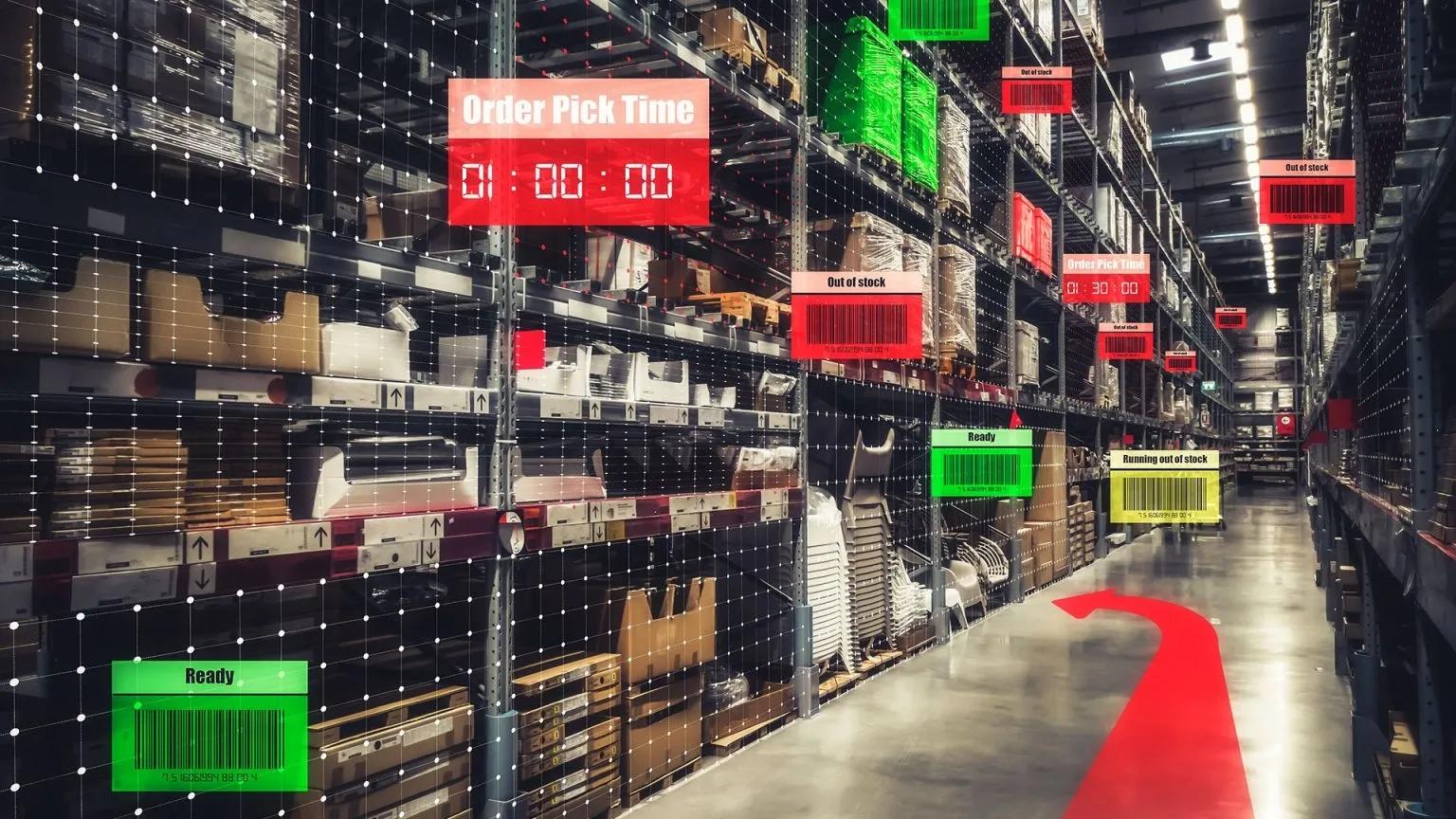
As we stand on the precipice of 2023, the rapid evolution of smart warehouses and factories is impossible to ignore. These facilities, equipped with advanced sensor infrastructure, mobile robots, artificial intelligence, and software, are transforming the landscape of modern business. However, as we delve into the predictions for the upcoming year, it is essential to critically assess these trends and their implications.
One of the most significant shifts expected is the acceleration of quick commerce. The modern consumer, whether in a B2B or B2C context, demands rapid delivery times, often within a few days or even hours of placing an order. This trend is set to become an expectation rather than a convenience in 2023. However, this raises questions about the sustainability and feasibility of such rapid turnaround times, particularly in the face of global supply chain challenges and product shortages. While innovative solutions are being developed to ensure supply chain visibility and enable automation, the pressure on businesses to meet these escalating expectations could lead to increased stress on resources and potential burnout.
The rise of full-stack vendors is another trend predicted for 2023. The idea is that businesses will increasingly favor full-service providers over multiple vendors, streamlining their operations and reducing costs. While this may seem like a logical step, it also raises concerns about monopolization and the potential loss of competition and innovation that comes from having a diverse range of vendors. Moreover, the reliance on a single provider could potentially leave businesses vulnerable if that provider experiences issues or failures.
Automation is another area set to see significant growth in 2023. The benefits of automation in warehousing and production are undeniable, from increased situational awareness and visibility into processes to reduced downtime. However, the rise of automation also brings with it concerns about job displacement and the potential loss of human oversight and intuition in the production process. While automation can undoubtedly increase efficiency, it is crucial to consider the human element and ensure that workers are not left behind in this technological shift.
The expansion of digital twins in intralogistics and manufacturing is another trend expected to accelerate in 2023. Digital twins, or computer-based virtual representations of physical equipment, processes, or systems, can undoubtedly improve plant performance and achieve better results. However, the reliance on digital twins also raises questions about data security and privacy. As more and more data is collected and analyzed, businesses must ensure they have robust security measures in place to protect this information.
Finally, the push towards sustainable logistics and production is set to be a significant factor in 2023. While this is undoubtedly a positive trend, it is also important to critically assess how these sustainability goals are being achieved. The use of energy-efficient machinery and equipment, environmentally friendly materials, and optimized transport routes and warehouse processes are all steps in the right direction. However, it is crucial to ensure that these measures are not just token gestures but part of a comprehensive and genuine commitment to sustainability.
In conclusion, while the predicted trends for smart warehouses and factories in 2023 offer exciting possibilities for increased efficiency and sustainability, it is essential to critically assess these trends. As we move towards a more automated and digital future, it is crucial to consider the potential implications and challenges and ensure that progress does not come at the expense of security, sustainability, or the human element.