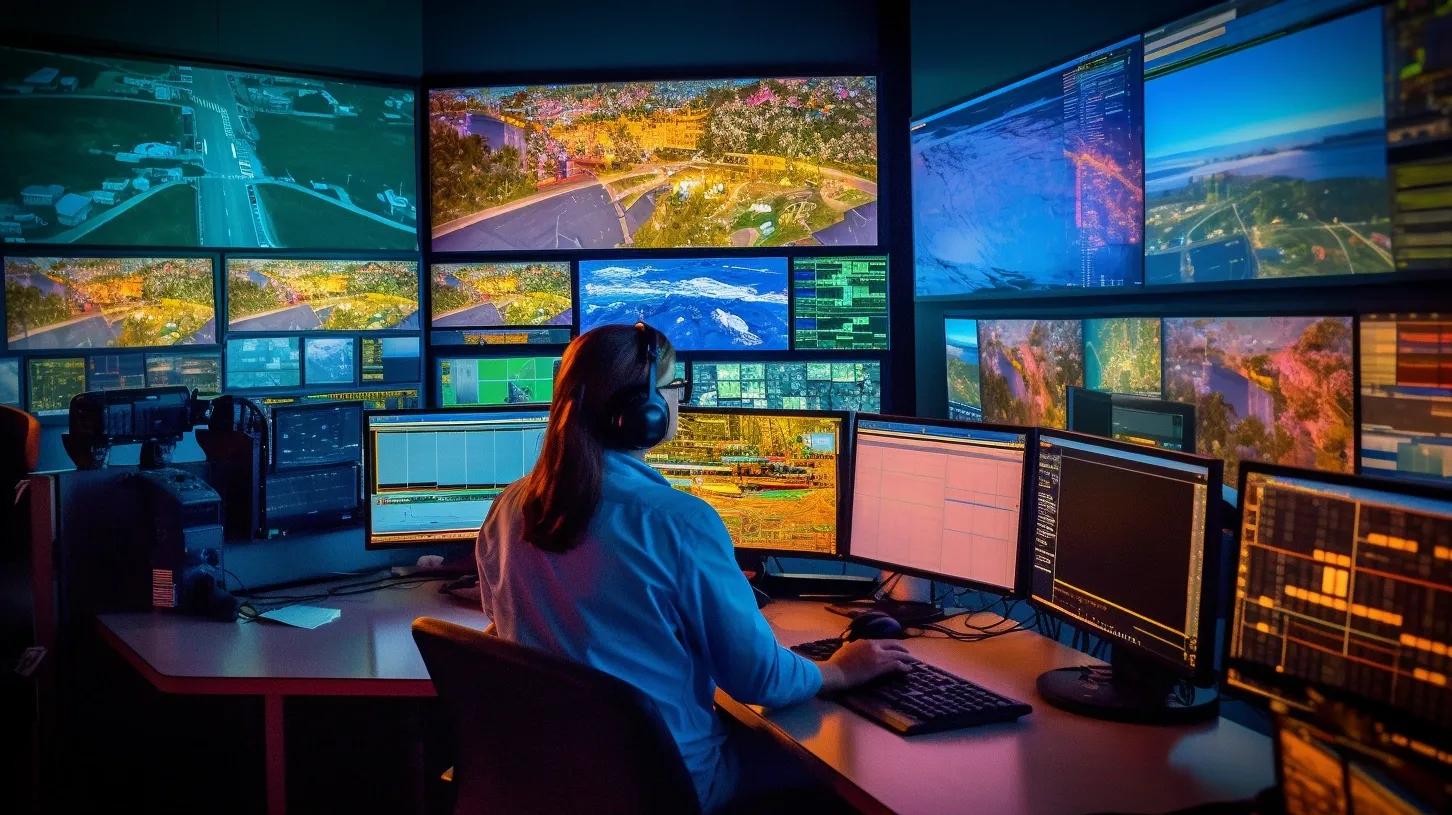
The geospatial, lidar, and reality capture sectors are presently undergoing a dynamic transformation driven by technological advancements. As we navigate through this age of digital revolution, these industries are becoming increasingly crucial in bridging the physical and digital realms. This article delves into the key developments that are set to shape the future of these interconnected domains.
Autonomous Reality Capture
Autonomous Reality Capture signifies a seismic shift in the reality capture landscape. With increasing technological maturity, the barriers to the adoption of reality capture are diminishing, heralding an era of "smart digital realities"[2]. The end-to-end process—from data capturing and preparation to analysis and presentation—is poised to be fully automated. The implications are profound, including increased data accuracy and efficiency, enabling stakeholders to make more informed decisions with real-time insights[2].
Commoditization Reducing Barriers of Entry
The commoditization of hardware and software tools has significantly lowered the barriers to entry. Intelligent software platforms are now driving hardware capable of automated capture, allowing for frequent inspections and real-time actionable insights[4]. This automation liberates human resources from tedious manual tasks, allowing professionals to focus on complex analyses that necessitate human intervention[4].
Hybrid Reality Capture
Hybrid Reality Capture is an emerging methodology that amalgamates the advantages of mobile scanning with those of static reality capture[6]. By fusing the agility and extensive coverage of mobile scanning with the meticulous detail of static capture, this hybrid technique proffers an unprecedented level of efficiency in laser scanning projects[6].
3D Laser Scanning
3D laser scanning remains at the heart of reality capture technologies. The industry has seen two pivotal advancements in laser distance measurements: long-range, high-accuracy pulse scanners, and short-range, ultra-high-speed phase scanners[2]. These technologies have considerably matured over the years, leading to a redefined approach to data capture[6].
Simultaneous Localization and Mapping (SLAM)
SLAM technology has disrupted the way surveyors capture large and complex outdoor areas. By deploying autonomous robots, aerial laser scanners, or vehicles, SLAM facilitates the rapid mapping of large landscapes while simultaneously tracking the location within that mapped area[2].
Unified Data
The industry is moving towards a more unified and intelligent data capture system. Advances in Artificial Intelligence (AI), combined with automation and unified data models, are set to augment reality capture capabilities[4]. The goal is to transition from fragmented data silos to integrated, intelligent systems, enhancing insights and returns for organizations[4].
Global Challenges and Opportunities
Population growth, urbanization, and the rampant pace of digitalization are global challenges that bring unique opportunities for the geospatial industry. Reality capture technology becomes instrumental in addressing these challenges, providing the data and insights required for planning, development, and sustainable growth[2].
In conclusion, the future of the geospatial, lidar, and reality capture industries is exhilarating, filled with the promise of new technologies and methodologies. As we move forward, these innovations will continue to redefine how we capture and interact with our physical world, thereby enriching the digital landscape and contributing to the global knowledge economy. The convergence of AI, automation, and unified data systems is creating a fertile ground for exponential growth, heralding an era where the boundaries between the digital and physical worlds are increasingly blurred.
Citations:
[1] [Geo Week News]( https://www.geoweeknews.com/news/what-is-the-future-of-reality-capture )
[2] [GIM International]( https://www.gim-international.com/content/article/reality-capture-trends-shaping-an-autonomous-future )
[3] [YouTube]( https://youtube.com/watch?v=o9BPd5wNHw8 )
[4] [Drone Deploy]( https://www.dronedeploy.com/blog/5-trends-that-are-shaping-the-future-of-reality-capture )
[5] [AEC Scene]( https://aecscene.com/2014/07/future-reality-capture/ )
[6] [LinkedIn]( https://www.linkedin.com/pulse/future-laser-scanning-unveiling-hybrid-reality-capture-bhoda )