In the rapidly evolving landscape of autonomous driving, sensor technology has emerged as a critical component. Roof Sensor Modules (RSM) play a pivotal role in enabling autonomous vehicles (AVs) to navigate complex environments safely and efficiently. One of the frontrunners in this technological advancement is Webasto, a company renowned for its innovative solutions in automotive systems. This article delves into Webasto's journey in developing and expanding its RSM portfolio from passenger cars to robot taxis and autonomous trucks, highlighting the technological nuances and implications for the future of autonomous driving.
The Need for Advanced Sensor Modules
Autonomous driving relies heavily on a sophisticated array of sensors to perceive the environment accurately. These sensors include cameras, radar, and lidar, each contributing uniquely to the vehicle's understanding of its surroundings. Cameras provide detailed visual information, radar is crucial for detecting objects at various distances and speeds, and lidar offers precise 3D mapping of the environment. The integration of these sensors into a cohesive module is essential for the seamless operation of AVs.
Webasto's Roof Sensor Modules represent a significant step forward in this integration. By housing multiple sensor types within a single, aerodynamic unit mounted on the vehicle's roof, Webasto ensures that the sensors have an unobstructed view of the environment. This placement is ideal for capturing a 360-degree perspective, which is vital for the safety and functionality of autonomous systems.
Expansion to Robot Taxis and Autonomous Trucks
Initially, Webasto's RSM technology was tailored for passenger cars. However, recognizing the broader potential and demand in the autonomous vehicle sector, the company has strategically expanded its focus to include robot taxis and autonomous trucks.
Robot Taxis: The development of robot taxis marks a significant milestone in the journey towards fully autonomous urban mobility. These vehicles operate in densely populated areas, requiring advanced sensor systems capable of handling complex traffic scenarios and dynamic environments. Webasto's collaboration with a leading robot taxi manufacturer in the USA highlights the adaptability and robustness of its RSM technology. The integrated sensors can detect and interpret a wide range of signals and obstacles, ensuring safe navigation through city streets.
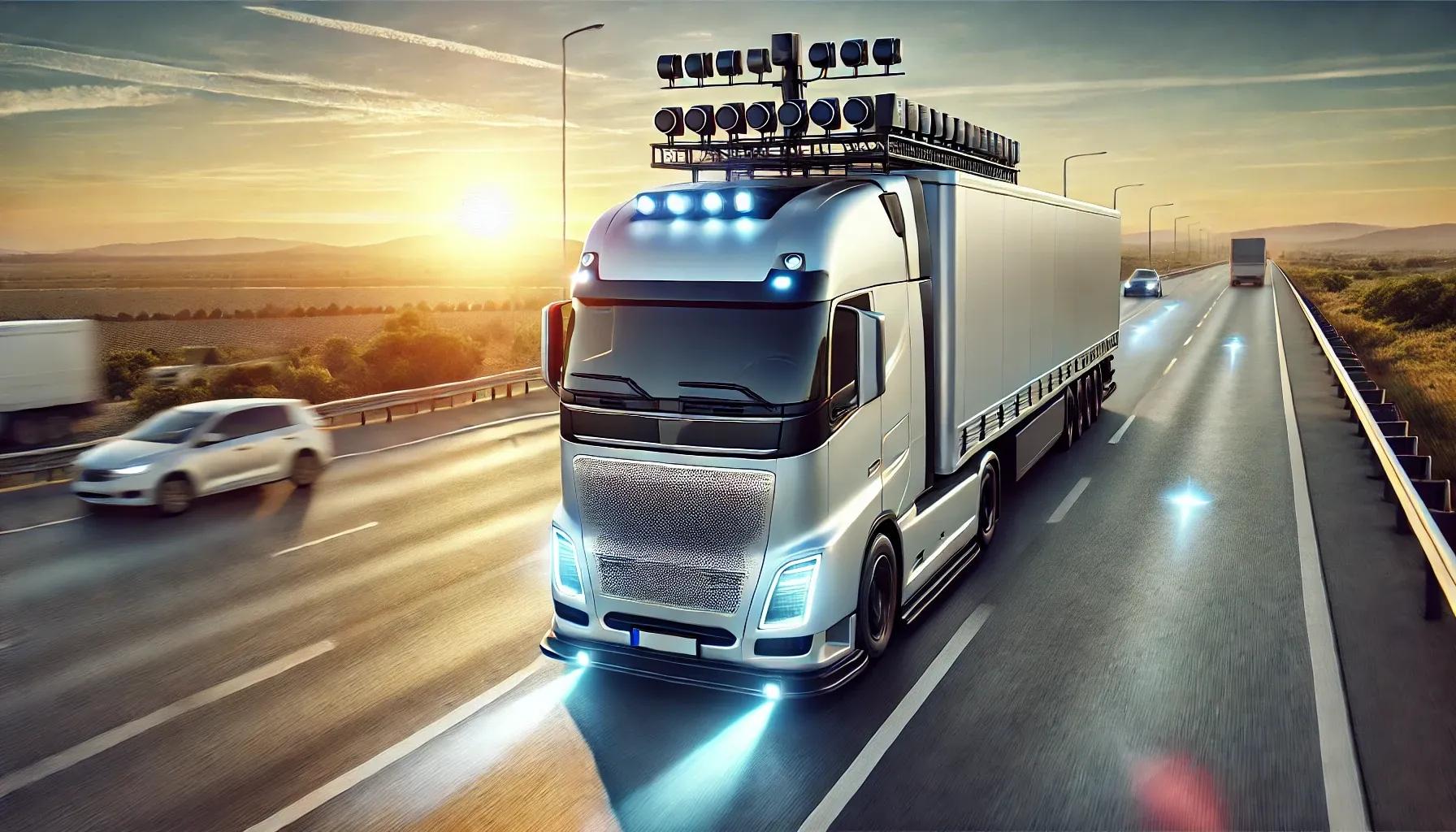
Autonomous Trucks: Autonomous trucks present a different set of challenges compared to passenger cars and robot taxis. These vehicles often operate over long distances and in varying environmental conditions. The demands on sensor reliability and durability are consequently higher. Webasto's expertise in thermal management and sensor cleaning systems is particularly beneficial here. The company's RSMs are designed to maintain optimal performance regardless of weather conditions, ensuring that the sensors remain functional and accurate even in adverse environments.
Technological Innovations in Webasto's RSMs
Webasto's Roof Sensor Modules incorporate several technological innovations to enhance their performance and reliability. These include:
Sensor Fusion: The integration of multiple sensor types into a single module allows for sensor fusion, a process where data from different sensors are combined to produce a more comprehensive understanding of the environment. This fusion is crucial for improving the accuracy and reliability of the vehicle's perception system.
Advanced Cleaning Systems: To ensure that sensors remain unobstructed and functional, Webasto has developed advanced cleaning mechanisms. These systems can remove dirt, ice, and other debris that may accumulate on the sensors, maintaining clear visibility and functionality.
Thermal Management: Temperature fluctuations can impact the performance of electronic components. Webasto's RSMs feature sophisticated thermal management systems that regulate the temperature of the sensors, ensuring consistent performance across a wide range of operating conditions.
Aerodynamic Design: The design of the RSMs is optimized for aerodynamics, reducing drag and wind noise while providing a stable platform for the sensors. This design consideration is particularly important for maintaining the efficiency and range of autonomous vehicles.
Implications for the Future of Autonomous Driving
The advancements in RSM technology by Webasto have far-reaching implications for the future of autonomous driving. As sensor systems become more reliable and sophisticated, the deployment of AVs is likely to accelerate. Key implications include:
Enhanced Safety: The integration of advanced sensors and robust cleaning and thermal management systems significantly enhances the safety of autonomous vehicles. Improved sensor reliability and accuracy reduces the likelihood of accidents caused by sensor failure or misinterpretation of environmental data.
Increased Adoption of AVs: As RSM technology continues to evolve, the cost and complexity of deploying AVs will decrease. This reduction will likely lead to increased adoption of autonomous vehicles across various sectors, including public transportation, logistics, and personal mobility.
Urban Mobility Transformation: The development of robot taxis has the potential to transform urban mobility by providing an efficient, reliable, and safe alternative to traditional taxis and ridesharing services. This transformation could lead to reduced traffic congestion and lower emissions in urban areas.
Long-Haul Transportation Efficiency: Autonomous trucks equipped with advanced RSMs can significantly improve the efficiency of long-haul transportation. By reducing the need for human drivers and optimizing routes and driving patterns, these trucks can lower operational costs and enhance the reliability of supply chains.
In conclusion, Webasto's ongoing development and expansion of Roof Sensor Modules for autonomous driving represent a significant advancement in automotive technology. By integrating multiple sensor types into a single, reliable, and robust module, Webasto is paving the way for safer and more efficient autonomous vehicles. The implications of these advancements are profound, promising to transform urban mobility and long-haul transportation while enhancing the safety and reliability of autonomous systems. As technology continues to evolve, the future of autonomous driving looks increasingly promising, with Webasto at the forefront of this exciting journey.