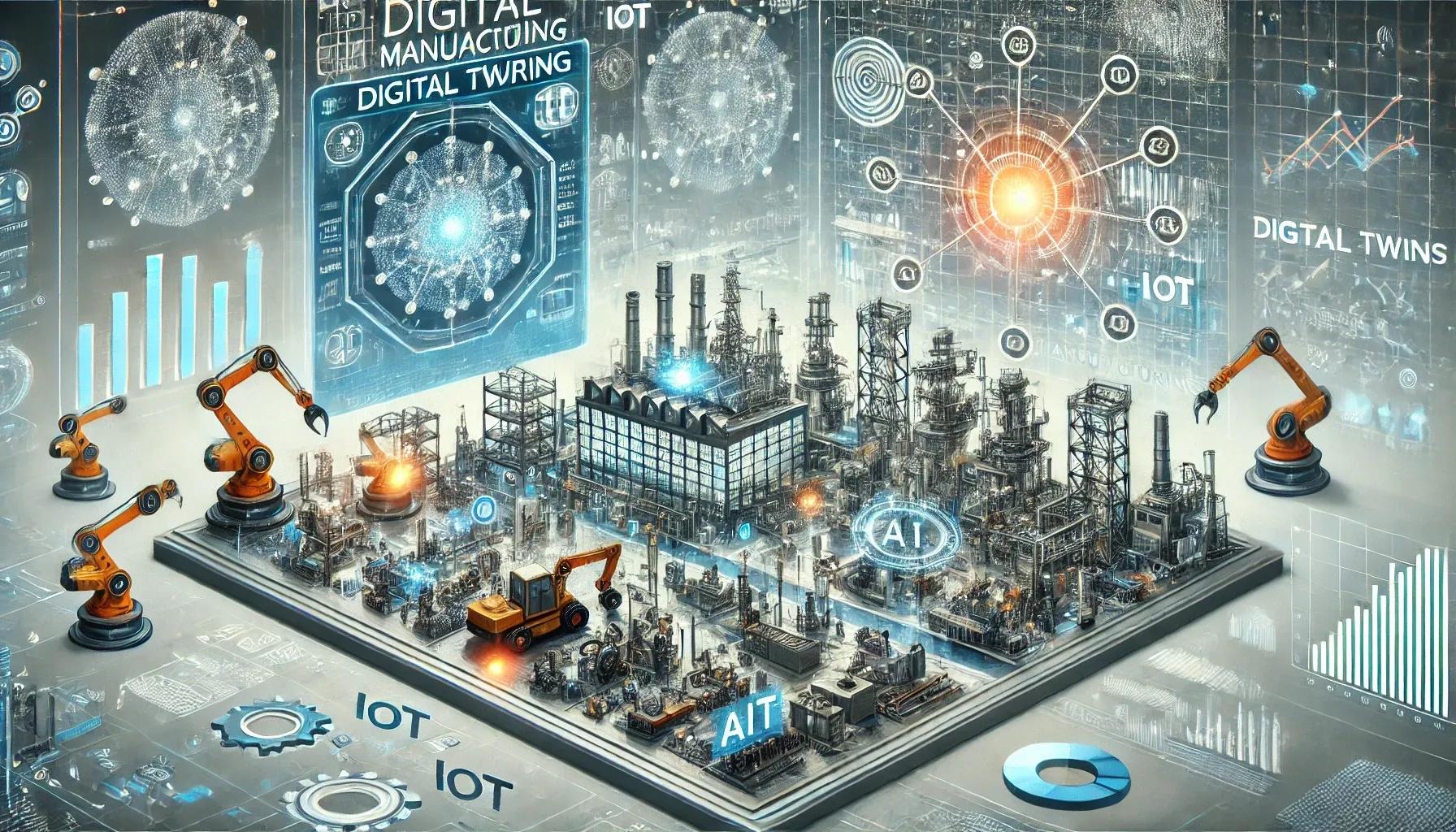
The rapid advancement of smart manufacturing technologies is driving unprecedented transformations across industries. By leveraging digital twins—virtual replicas of physical assets, processes, or systems—industries can harness the power of AI, IoT, and automation to enhance efficiency, optimize performance, and innovate continuously. This article delves into the integration of these technologies into digital twins and explores how they are revolutionizing the manufacturing landscape.
Understanding Digital Twins
A digital twin is a dynamic, real-time digital representation of a physical object or system. It captures data from the real world through sensors and other IoT devices, creating a comprehensive model that can be analyzed and manipulated virtually. The core components of a digital twin include:
Physical Entities : The actual physical systems, devices, or processes being modeled.
Digital Model : The virtual representation that mirrors the physical counterpart.
Data : Real-time data from sensors, IoT devices, and other sources that update the digital model.
Analytics : Tools and algorithms that analyze the data and provide insights.
Integration : Systems that ensure seamless communication and data flow between the physical and digital worlds.
Advancements in Smart Manufacturing Technologies
The evolution of smart manufacturing is driven by several key technologies, each contributing to the capabilities of digital twins:
Artificial Intelligence (AI) : AI enhances digital twins by enabling predictive analytics, anomaly detection, and autonomous decision-making. Machine learning algorithms can process vast amounts of data, identify patterns, and predict future states, leading to more efficient and reliable operations.
Internet of Things (IoT) : IoT devices are crucial for gathering real-time data from physical assets. Sensors embedded in machinery, production lines, and other equipment provide continuous streams of data, ensuring the digital twin remains an accurate and up-to-date representation of the physical world.
Automation : Automation technologies streamline manufacturing processes by reducing human intervention. Automated systems can execute tasks based on insights generated by digital twins, enhancing precision and efficiency.
Big Data and Analytics : The integration of big data platforms allows for the processing and analysis of massive datasets generated by IoT devices. Advanced analytics provide actionable insights, helping manufacturers make informed decisions.
Edge Computing : Edge computing enables data processing closer to the source of data generation. By reducing latency and bandwidth requirements, it ensures that digital twins can operate in real-time, providing immediate feedback and control.
Benefits of Digital Twins in Smart Manufacturing
The incorporation of these technologies into digital twins offers numerous benefits to the manufacturing industry:
Enhanced Operational Efficiency : Digital twins enable real-time monitoring and control of manufacturing processes, reducing downtime and improving resource utilization. Predictive maintenance powered by AI can identify potential issues before they cause disruptions, ensuring continuous operation.
Improved Product Quality : By simulating and analyzing production processes, digital twins help identify and rectify quality issues early. This leads to higher-quality products and reduces the need for rework and waste.
Innovation and Design Optimization : Digital twins provide a virtual sandbox for testing new designs, processes, and configurations. Manufacturers can experiment with different scenarios and optimize designs before implementing them in the real world.
Supply Chain Optimization : Digital twins can model entire supply chains, from raw material sourcing to product delivery. This enables better coordination, inventory management, and demand forecasting, leading to a more responsive and agile supply chain.
Sustainability and Energy Efficiency : By analyzing energy consumption patterns and optimizing processes, digital twins can help reduce energy usage and carbon emissions. This contributes to more sustainable manufacturing practices.
Challenges and Considerations
While the benefits of digital twins are substantial, there are several challenges and considerations to address:
Data Security and Privacy : The vast amount of data generated and exchanged by digital twins raises concerns about security and privacy. Manufacturers must implement robust cybersecurity measures to protect sensitive information.
Interoperability : Integrating digital twins with existing systems and platforms can be complex. Ensuring interoperability between different technologies and standards is essential for seamless operation.
Scalability : As manufacturing operations scale, so does the complexity of managing digital twins. Ensuring that digital twin solutions can scale efficiently is critical for long-term success.
Skill Development : Implementing and managing digital twins require specialized skills in AI, IoT, data analytics, and automation. Investing in workforce training and development is crucial to fully leverage the potential of digital twins.
Cost : The initial investment in digital twin technology can be significant. Manufacturers must carefully assess the return on investment and long-term benefits to justify the costs.
Future Trends and Opportunities
The future of digital twins in smart manufacturing is promising, with several emerging trends and opportunities:
AI-Driven Automation : The integration of AI with digital twins will lead to more autonomous and self-optimizing manufacturing processes. This will reduce the need for human intervention and increase operational efficiency.
5G Connectivity : The deployment of 5G networks will enhance the connectivity and data transfer capabilities of digital twins. This will enable real-time communication and control, even in remote and distributed manufacturing environments.
Sustainability Focus : Digital twins will play a crucial role in driving sustainable manufacturing practices. By optimizing energy usage, reducing waste, and enhancing resource efficiency, they will help manufacturers achieve their sustainability goals.
Collaborative Ecosystems : Digital twins will enable greater collaboration between manufacturers, suppliers, and customers. By sharing data and insights across the supply chain, stakeholders can work together to improve overall efficiency and responsiveness.
Human-Machine Collaboration : The future of manufacturing will see increased collaboration between humans and machines. Digital twins will facilitate this collaboration by providing real-time insights and support for decision-making.
In conclusion, the integration of smart manufacturing technologies into digital twins is revolutionizing the manufacturing industry. By harnessing the power of AI, IoT, automation, and advanced analytics, digital twins offer unparalleled opportunities for efficiency, innovation, and sustainability. As manufacturers continue to adopt and refine these technologies, the future of smart manufacturing looks increasingly connected, intelligent, and resilient.