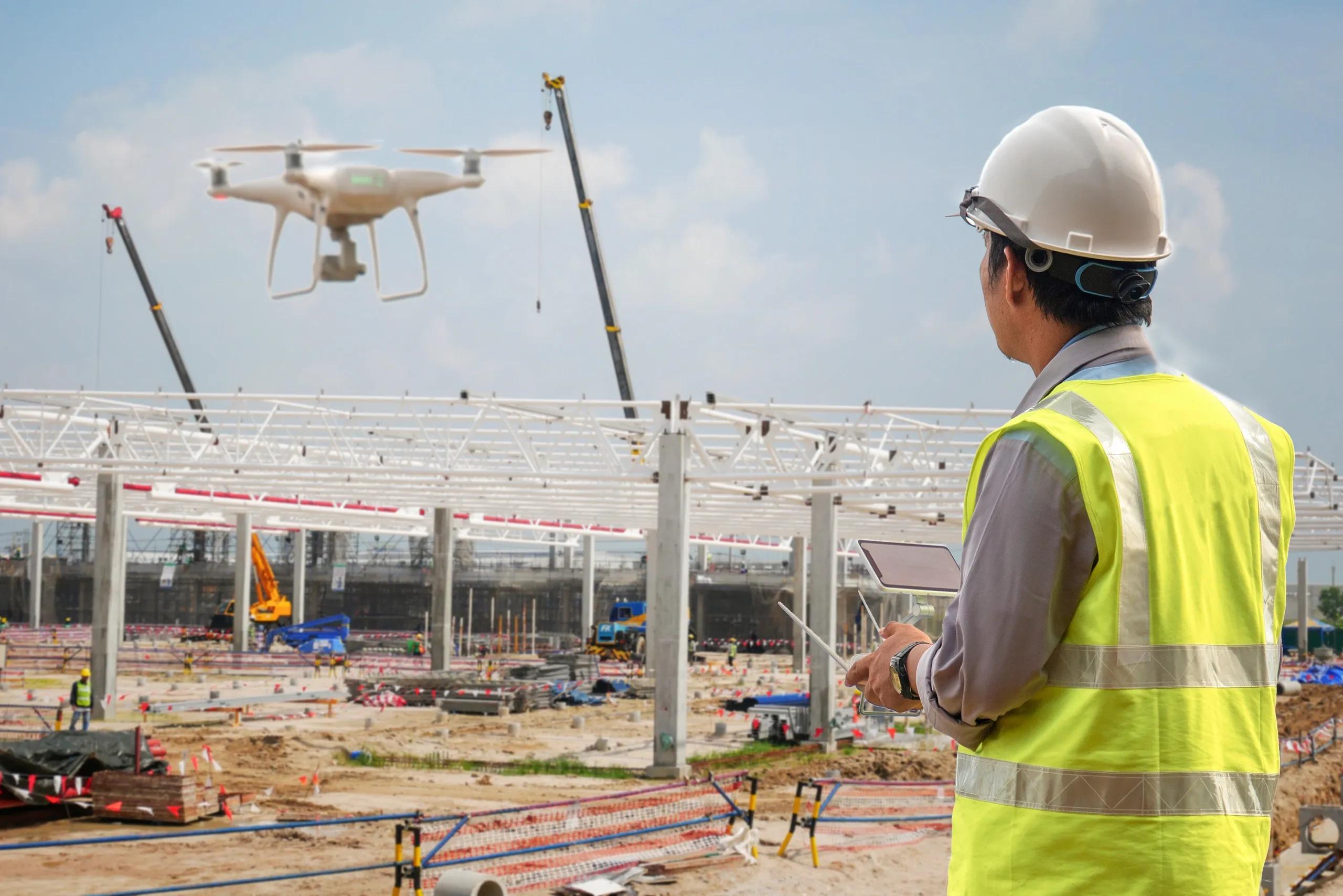
In recent years, the construction industry has undergone a profound transformation, driven by the adoption of digital technologies such as Building Information Modeling (BIM), Unmanned Aerial Vehicles (UAVs), and Augmented Reality (AR) overlays. These tools have redefined traditional workflows, enabling construction firms to reduce errors, enhance safety, and accelerate project timelines. This article explores how these technologies have reshaped the construction landscape, creating what is often referred to as the "Augmented Jobsite."
Building Information Modeling (BIM): The Digital Backbone of Construction
BIM has emerged as the cornerstone of modern construction practices. At its core, BIM is a process that generates and manages digital representations of physical and functional characteristics of a structure. Unlike traditional 2D blueprints, BIM provides a dynamic, 3D environment where stakeholders can visualize and collaborate on every aspect of a project, from design to demolition.
Reducing Errors with BIM
One of BIM's most significant contributions is its ability to minimize errors. In traditional workflows, discrepancies between architectural, structural, and MEP (Mechanical, Electrical, and Plumbing) plans often lead to costly rework. BIM addresses this by integrating all disciplines into a single, cohesive model. Clash detection tools embedded in BIM software identify conflicts early in the design phase, allowing teams to resolve issues before construction begins.
For instance, during the construction of the Shanghai Tower, one of the tallest buildings in the world, BIM was instrumental in identifying over 1,000 design conflicts, saving millions of dollars in potential rework.
Enhancing Collaboration
BIM's cloud-based platforms enable real-time collaboration among geographically dispersed teams. Architects, engineers, and contractors can access the same model, ensuring that everyone is aligned. Features like version control and change tracking further streamline communication, reducing the likelihood of misunderstandings.
Accelerating Timelines
By simulating construction sequences, BIM allows project managers to optimize schedules. 4D BIM, which integrates time as the fourth dimension, provides a visual timeline of the construction process, enabling better planning and resource allocation. This capability was notably leveraged during the construction of London’s Crossrail project, reducing delays and improving efficiency.
UAV Surveys: Eyes in the Sky
The use of drones, or UAVs, has become increasingly prevalent in construction, offering unparalleled advantages in site surveying, progress monitoring, and safety assessments. UAVs equipped with high-resolution cameras and LiDAR sensors provide accurate, real-time data, revolutionizing traditional survey methods.
Enhancing Accuracy and Speed
Traditional land surveys are time-intensive and often prone to human error. UAVs, however, can cover large areas in a fraction of the time, capturing high-resolution images and generating precise 3D models of the terrain. These models are invaluable for site planning, especially in complex projects like highways and large-scale industrial facilities.
For example, during the construction of a solar farm in California, drones reduced survey time by 70% while increasing accuracy, enabling the project to stay on schedule.
Improving Safety
Construction sites are inherently hazardous, and UAVs play a critical role in minimizing risks. By performing tasks like inspecting tall structures or monitoring confined spaces, drones eliminate the need for workers to operate in dangerous environments. This has significantly reduced accidents on sites and improved overall safety metrics.
Facilitating Progress Monitoring
Drones provide regular aerial updates, offering a bird's-eye view of the site. Project managers can compare these updates against BIM models to ensure that construction is progressing as planned. This capability was effectively demonstrated during the construction of the Mercedes-Benz Stadium in Atlanta, where UAVs were used to monitor progress and identify potential bottlenecks.
Augmented Reality (AR): Bridging the Physical and Digital Worlds
AR overlays are transforming construction sites by bringing digital models into the physical world. Using devices like AR glasses or mobile apps, workers can visualize BIM data in real-time, directly on the jobsite.
Minimizing Errors with AR Overlays
AR enables workers to superimpose digital models onto physical structures, providing a clear, real-time view of what needs to be built. This minimizes errors by ensuring that construction aligns precisely with design specifications. For example, AR has been used to overlay MEP layouts onto floors and walls, allowing technicians to install systems with greater precision.
Enhancing Training and Skill Development
AR is also being leveraged for training purposes. Workers can use AR simulations to practice complex tasks in a controlled environment before executing them on-site. This not only improves skill levels but also reduces the likelihood of mistakes during actual construction.
Streamlining Inspections
Inspections are another area where AR has proven invaluable. Inspectors can use AR devices to compare the constructed structure with the BIM model in real-time, quickly identifying deviations or defects. This reduces the time required for quality checks and ensures that issues are addressed promptly.
The Synergy of BIM, UAVs, and AR
While each of these technologies offers significant benefits individually, their combined use creates a truly augmented jobsite. The integration of BIM, UAVs, and AR enables construction firms to harness the strengths of each technology, achieving outcomes that were previously unattainable.
Case Study: The Augmented Jobsite in Action
During the construction of a mixed-use development in Singapore, BIM was used to design and plan the project, UAVs conducted regular site surveys, and AR devices assisted workers in aligning physical construction with digital models. The result was a 30% reduction in project timelines, a 25% decrease in material wastage, and a significant improvement in worker safety.
Data Integration and Decision-Making
The integration of data from UAVs and AR devices into BIM models creates a continuous feedback loop. Site data captured by drones can be fed into the BIM model, updating it in real-time. Similarly, AR devices can access the latest BIM data, ensuring that workers always have the most accurate information at their fingertips. This seamless flow of information enhances decision-making and project outcomes.
Challenges and Future Directions
Despite their numerous benefits, these technologies come with challenges. High initial costs, the need for skilled operators, and concerns about data security are some of the barriers to widespread adoption. However, as these technologies become more affordable and user-friendly, their adoption is expected to grow exponentially.
Looking ahead, advancements in Artificial Intelligence (AI) and the Internet of Things (IoT) are likely to further enhance the capabilities of BIM, UAVs, and AR. For instance, AI-powered drones could autonomously monitor sites, while IoT-enabled AR devices could provide real-time updates on equipment performance. These innovations will take the augmented jobsite to new heights, setting the stage for a more efficient and sustainable construction industry.
In conclusion, the evolution of construction technologies has paved the way for a new era of efficiency, safety, and precision. BIM, UAVs, and AR have not only transformed individual processes but have also created a synergistic ecosystem that redefines the modern jobsite. By embracing these technologies, construction firms can overcome traditional challenges, achieve better outcomes, and position themselves for success in an increasingly competitive industry. As these tools continue to evolve, the future of construction promises to be both exciting and transformative.