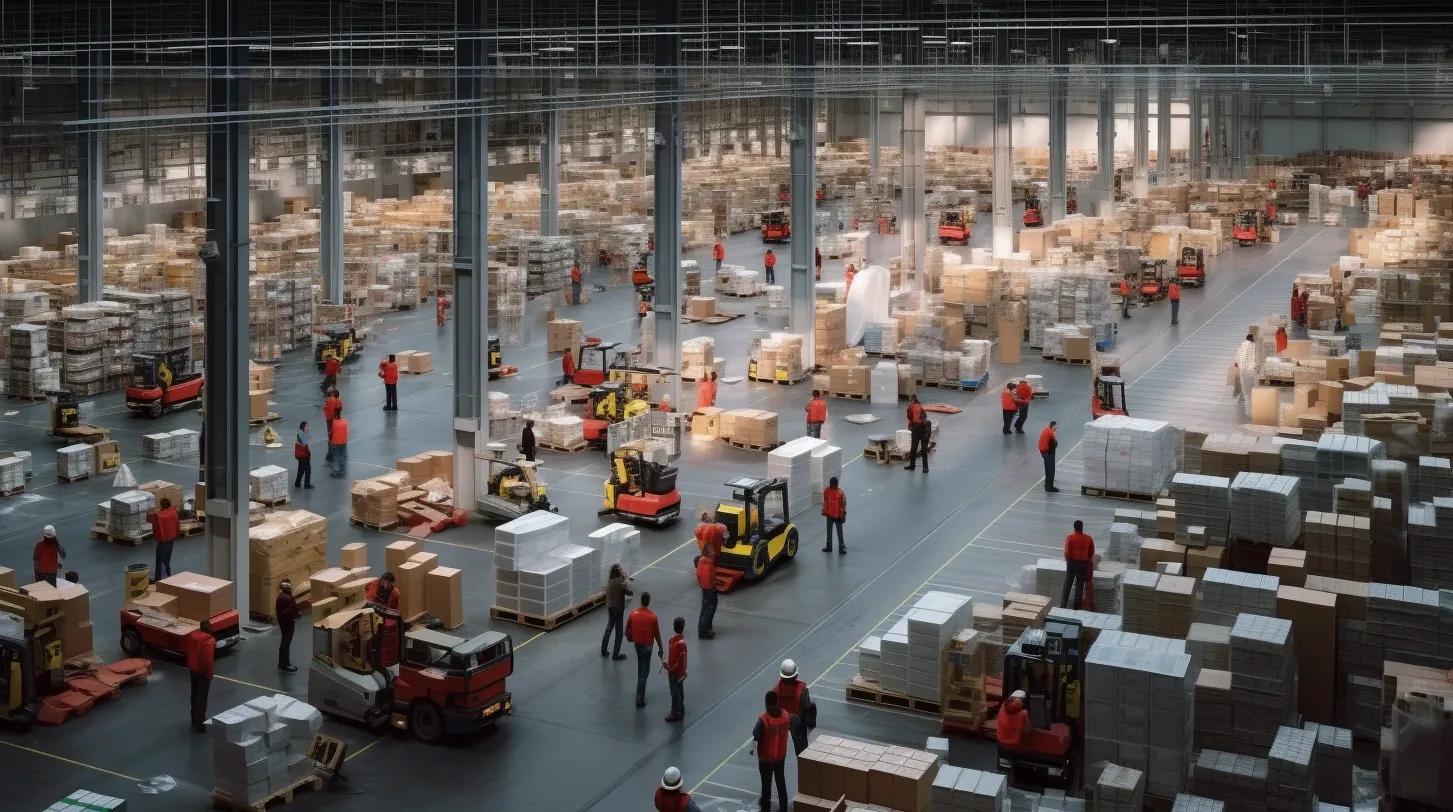
In today's rapidly evolving business landscape, sustainability is not just a buzzword but a critical component of modern supply chain management. As companies grapple with the complexities of global supply chains, the integration of digital tools has emerged as a game-changer. This article delves into the confluence of geospatial, BIM technologies, and supply chain sustainability, highlighting the transformative potential of digital tools.
Data-Driven Decision Making
At the heart of any sustainable initiative lies data. Just as geospatial analytics offers insights into environmental impact and land use, data analytics in supply chains can pinpoint areas ripe for carbon footprint reduction. Whether it's optimizing transportation logistics, reducing energy consumption, or making informed choices about material sourcing, data analytics provides the foundation for informed decision-making.
The Power of Real-time Monitoring
One of the hallmarks of geospatial technologies is real-time data collection and monitoring. Translating this capability to supply chains can revolutionize sustainability efforts. With real-time monitoring, companies can gain immediate insights into inefficiencies, allowing them to take swift corrective actions. For instance, if a particular transportation route is causing excessive emissions, real-time data can help reroute logistics to minimize environmental impact.
Predictive Analytics: The Proactive Approach
Predictive analytics, a standout feature in suites like GeoFlow and GeoScanner, holds immense promise for supply chains. Instead of merely reacting to sustainability challenges, companies can leverage predictive analytics to anticipate future hurdles. This proactive approach ensures that businesses are always one step ahead, ready to tackle sustainability challenges before they escalate.
Geo-fencing: The Future of Logistics
Geo-fencing, as featured in the GeoSet suite, is not just for geospatial applications. When applied to supply chain management, geo-fencing can ensure that transportation adheres to the most fuel-efficient routes. By setting predefined geographic boundaries, companies can optimize logistics, ensuring reduced emissions and enhanced sustainability.
BIM: Beyond Buildings
Building Information Modeling (BIM) has revolutionized the construction industry. But its potential extends far beyond buildings. By modeling the flow of resources through supply chains, BIM can offer unparalleled insights into resource optimization. This holistic view ensures that resources are utilized efficiently, contributing significantly to sustainability goals.
ERP Integration: The Holistic View
Enterprise Resource Planning (ERP) systems, like the robust Odoo ERP services, are central to modern business operations. By integrating sustainability metrics into ERP systems, companies can gain a comprehensive view of both business efficiency and environmental impact. This integrated approach facilitates better decision-making, ensuring that sustainability is woven into the very fabric of business operations.
Strategic Implications
The integration of digital tools into sustainable supply chain management has several strategic implications. For businesses aiming to engage with potential clients, topics centered around digital-driven sustainable supply chain management can be a compelling proposition. Workshops and training sessions on this subject can not only educate but also align with market needs. Moreover, establishing a feedback loop to gauge the effectiveness of these digital tools in enhancing sustainability can offer valuable insights for continuous improvement.
In conclusion, the digital transformation of sustainable supply chains is not a distant dream but a tangible reality. As geospatial and BIM technologies continue to evolve, their integration into supply chain management will only deepen. Businesses that recognize and harness the power of these digital tools will not only achieve sustainability goals but also gain a competitive edge in the market. The future of supply chains is digital, and sustainability is at its core.
"Interested in experiencing the cutting-edge capabilities of our GeoFlow, GeoScanner, GeoSet suite, or the robust Odoo ERP services? Don't miss out on the future of digital transformation. I'm just a message away. Reach out now and let's embark on this technological journey together!"