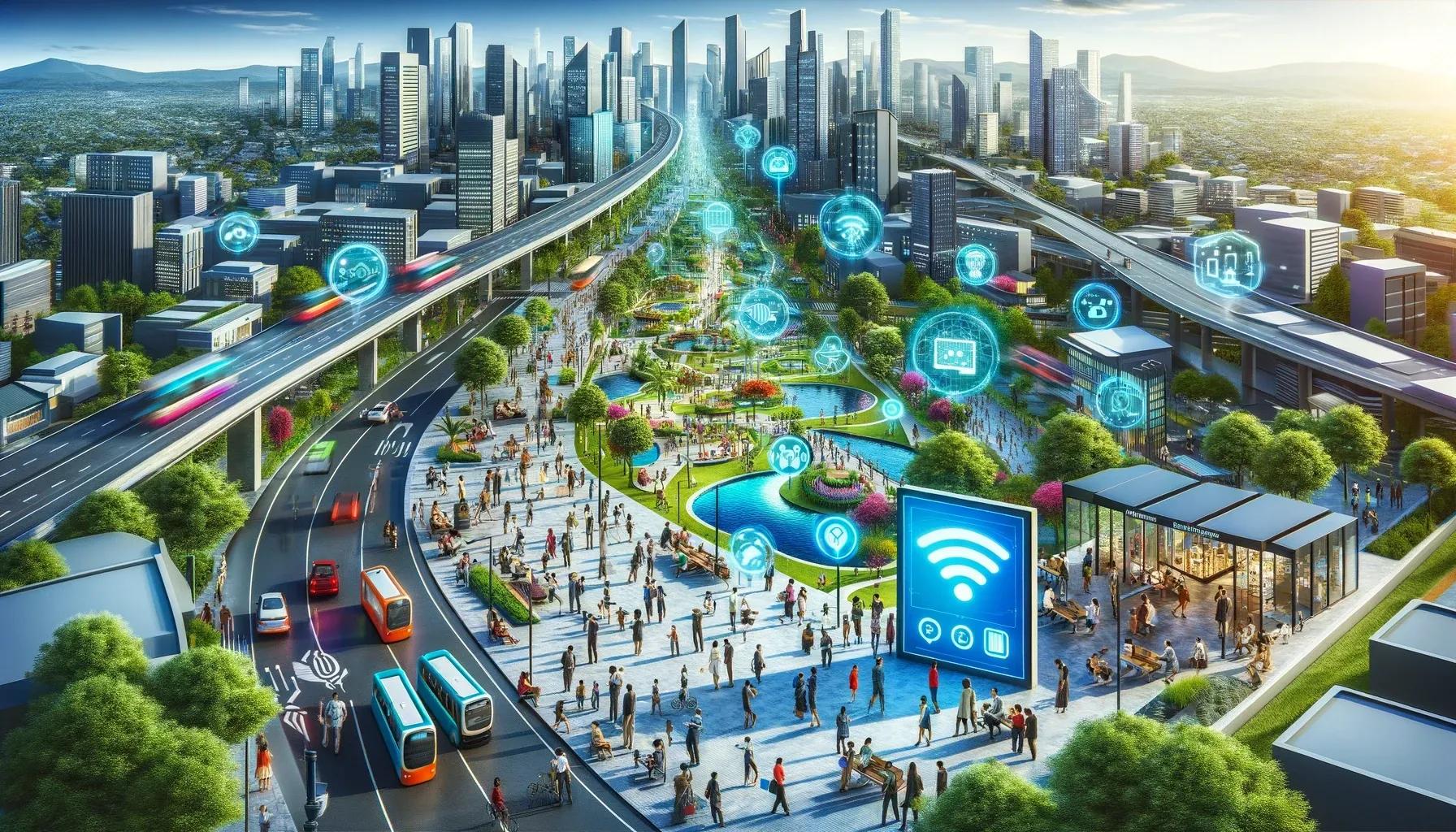
The concept of smart cities has gained significant traction over the past decade, promising an innovative approach to urban management and living by leveraging the power of information and communication technologies (ICT). These technologies aim to optimize city functions, promote economic growth, and enhance the quality of life for citizens by utilizing smart governance, smart energy management, smart transportation, and more. However, the rapid deployment of smart city technologies has also highlighted an existing and growing challenge: the digital divide. This divide represents the gap between individuals who have access to modern information technology and those who do not, often correlating with disparities in economic, social, and cultural capital. This article delves into the implications of the digital divide within the context of smart cities and explores strategies for ensuring equitable technology access among urban populations.
Understanding the Digital Divide in the Urban Context
The digital divide in urban areas is not merely a matter of having or not having access to the internet. It encompasses a range of factors, including broadband availability, digital literacy, the affordability of digital devices, and the capacity to use technology in ways that enhance economic and social outcomes. As cities become smarter, the risk is that these disparities will widen, leaving behind those who cannot participate in the digital economy.
The consequences of the digital divide in smart cities are multifaceted. Individuals without adequate access to digital resources are at a disadvantage in terms of employment opportunities, educational outcomes, access to government services, and participation in the digital economy. Moreover, the divide affects urban planners and policymakers' ability to engage with citizens and gather data, potentially skewing city development efforts away from the needs of less connected communities.
Strategies to Bridge the Digital Divide in Smart Cities
To realize the full potential of smart cities, it is imperative to address the digital divide systematically. Several strategies can be employed to ensure more equitable technology access:
Enhancing Infrastructure Accessibility : Investing in digital infrastructure to ensure widespread and affordable internet access is fundamental. This includes deploying broadband in underserved areas, offering public Wi-Fi in community spaces, and ensuring that connectivity is reliable and fast enough to support various digital services.
Promoting Digital Literacy and Inclusion : Equipping citizens with the necessary skills to navigate the digital world is crucial. This can be achieved through community-based training programs, integrating digital literacy into school curricula, and offering resources in multiple languages to cater to diverse populations.
Ensuring Affordable Access to Digital Tools : The cost of digital devices and services can be prohibitive for many. Subsidies, affordable payment plans, and programs that provide free or low-cost devices to low-income households can help overcome this barrier.
Fostering Public-Private Partnerships : Collaboration between governments, technology companies, non-profits, and academia can drive initiatives aimed at closing the digital divide. These partnerships can facilitate the pooling of resources, expertise, and innovative solutions to address connectivity and access challenges.
Incorporating Inclusive Policies and Practices : Policies that prioritize inclusivity in the deployment of smart city technologies are essential. This includes conducting impact assessments to ensure that new technologies do not exacerbate existing inequalities and designing services that are accessible to all, regardless of their digital proficiency.
Leveraging Data to Inform Interventions : Utilizing data analytics to understand the nuances of the digital divide within cities can inform targeted interventions. Mapping connectivity deserts, identifying demographic groups at risk of digital exclusion, and tracking the progress of inclusivity initiatives are examples of how data can guide effective strategies.
Case Studies: Success Stories in Addressing the Digital Divide
Several cities globally have made significant strides in bridging the digital divide as part of their smart city initiatives. For instance, the Government of India launched the Smart Cities Mission in 2015 with the goal of creating 100 cities across the nation that serve as models for sustainable and inclusive urban development. One of the core objectives of this mission is to leverage digital technologies to enhance the quality of urban life and enable local area development. A key aspect of this mission is its focus on inclusivity and ensuring equitable access to technology across diverse urban populations.
Pune, one of the cities selected for the Smart Cities Mission, provides an insightful case study into how digital divide challenges are being addressed within the context of smart city development in India. Pune has implemented several initiatives aimed at enhancing digital accessibility and literacy among its citizens.
The initiatives in Pune under the Smart Cities Mission highlight a comprehensive approach to addressing the digital divide, focusing not just on providing infrastructure but also on ensuring that citizens have the skills and resources needed to take advantage of digital technologies. The success of these initiatives offers valuable lessons for other cities in India and globally on integrating digital inclusivity into smart city planning and implementation.
As India continues to develop its smart cities, the emphasis on digital inclusivity remains critical. The experiences of cities like Pune underscore the importance of a holistic approach to smart city development, one that prioritizes equitable access to technology alongside infrastructural advancements. By continuing to focus on bridging the digital divide, India's Smart Cities Mission can serve as a model for creating more inclusive urban environments that benefit all residents.
In conclusion, the evolution of smart cities offers a unique opportunity to reimagine urban living, making it more efficient, sustainable, and inclusive. However, the benefits of these technologies can only be fully realized when they are accessible to all urban residents. Bridging the digital divide requires a concerted effort from all stakeholders involved in the development of smart cities. By implementing inclusive policies, investing in infrastructure and digital literacy, and fostering partnerships that prioritize equitable access, cities can ensure that their smart initiatives lead to improved outcomes for all citizens, not just a technologically privileged few. As we move forward, the focus must shift from simply creating smart cities to building smart, inclusive cities, where technology serves as a bridge rather than a barrier to opportunity.