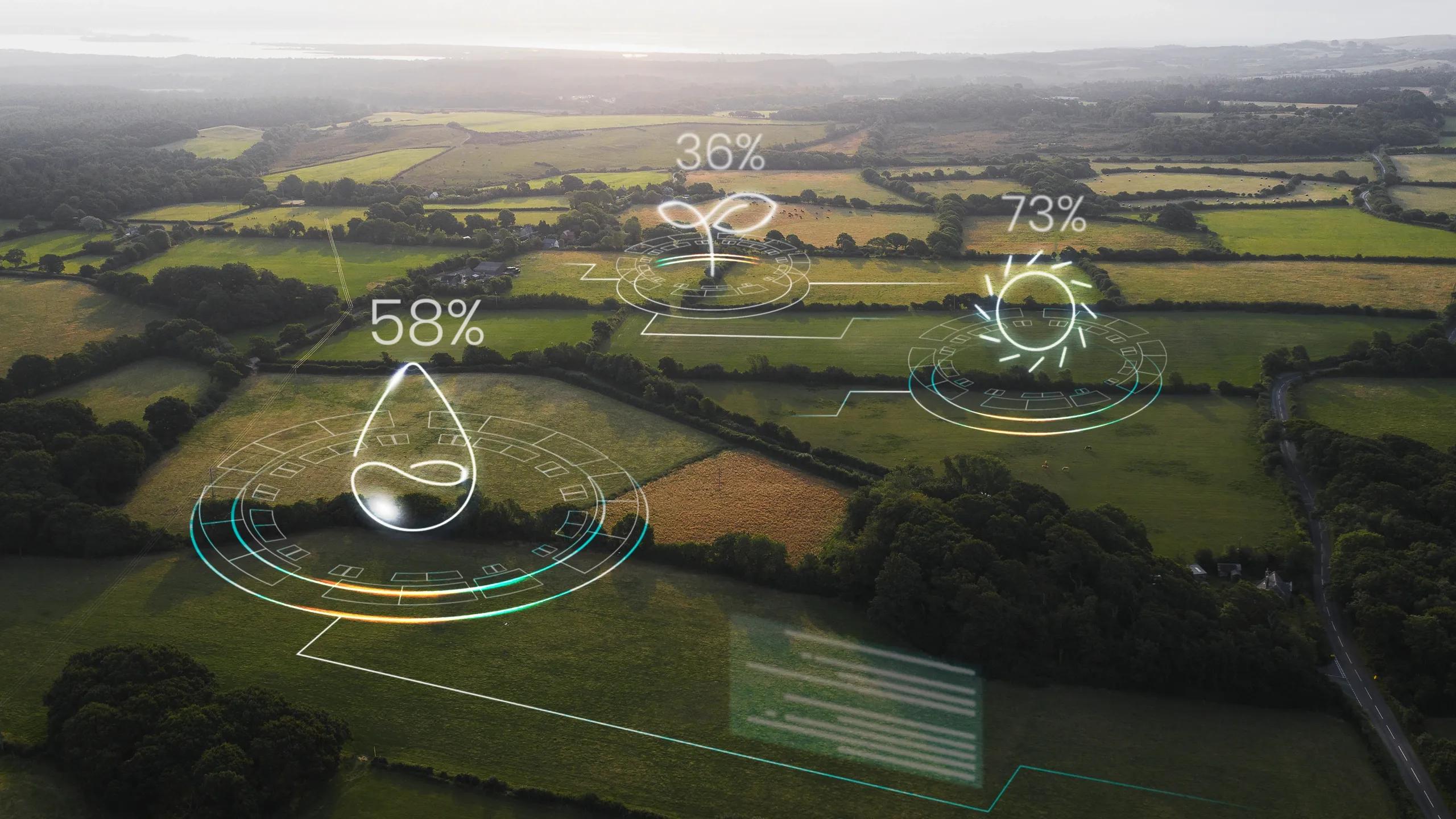
The increasing demand for sustainable agricultural practices has led to the adoption of cutting-edge technologies, including smart sensors, in irrigation and crop management. Smart sensors enable precise monitoring and control of environmental variables, soil conditions, and plant health, offering real-time data for informed decision-making. These advancements are transforming the agricultural landscape, allowing farmers to optimize water usage, reduce resource wastage, and enhance crop yields.
In this article, we will explore how smart sensors play a crucial role in modern irrigation and crop management, focusing on their benefits such as water conservation, improved crop health, cost savings, and enhanced decision-making.
1. Water Conservation
1.1 Precise Irrigation Scheduling
One of the most significant benefits of smart sensors in irrigation is their ability to provide precise data on soil moisture levels. Traditional irrigation methods often lead to overwatering or underwatering, resulting in water waste or inadequate hydration for crops. Smart soil moisture sensors measure the exact amount of water present in the soil, enabling farmers to apply water only when necessary.
For example, soil moisture sensors placed at various depths in the field can provide data on the moisture profile throughout the root zone. This allows farmers to schedule irrigation based on actual soil needs rather than estimated or fixed schedules, leading to more efficient water use.
1.2 Adaptive Irrigation Systems
Smart sensors can be integrated with automated irrigation systems, such as drip or sprinkler systems, to create an adaptive irrigation network. These systems automatically adjust water flow rates in real-time based on sensor data. This reduces human intervention and minimizes water loss due to over-irrigation.
In areas facing water scarcity, such as arid and semi-arid regions, this technology proves invaluable by conserving water and reducing the stress on natural water sources.
2. Improved Crop Health Monitoring
2.1 Real-Time Crop Health Data
Smart sensors allow farmers to monitor the health of their crops in real-time by tracking key environmental parameters such as temperature, humidity, soil pH, and nutrient levels. Sensors like multispectral and hyperspectral imaging devices can detect subtle changes in plant physiology, such as stress or disease symptoms, before they become visible to the naked eye.
For instance, smart sensors that detect chlorophyll content can alert farmers to nutrient deficiencies or other issues that affect plant growth. By addressing these issues early, farmers can prevent significant crop losses.
2.2 Disease and Pest Detection
Pests and diseases are major threats to crop yields. Smart sensors integrated with imaging systems or environmental monitoring devices can detect changes in plant conditions that indicate pest infestations or disease outbreaks. Sensors that measure leaf temperature, for instance, can identify heat stress caused by disease pathogens.
Moreover, with IoT-enabled smart systems, this data can be transmitted to farmers' mobile devices or cloud-based platforms, providing real-time alerts. Early detection allows for targeted interventions, such as applying pesticides or adjusting environmental conditions, thus preventing widespread damage.
3. Cost Savings
3.1 Reduction in Water and Fertilizer Costs
With the ability to monitor and control irrigation systems more efficiently, smart sensors lead to significant cost savings in water use. By delivering the exact amount of water needed, farmers can avoid over-irrigation, which not only conserves water but also reduces energy costs associated with pumping.
Additionally, soil nutrient sensors provide data on soil conditions, enabling farmers to apply fertilizers in precise amounts. This targeted approach prevents over-fertilization, which can lead to nutrient runoff and environmental damage, while also reducing input costs.
3.2 Labor Efficiency
The automation and remote monitoring capabilities provided by smart sensors reduce the need for manual labor. Farmers no longer need to physically inspect fields as frequently, as sensor networks provide continuous updates on soil, water, and crop conditions. This allows labor resources to be reallocated to other critical farm operations, thus increasing overall efficiency and reducing labor costs.
4. Enhanced Decision-Making
4.1 Data-Driven Farming
One of the transformative benefits of smart sensors is the wealth of data they generate. Farmers can use this data to make more informed decisions about irrigation, fertilization, and pest management. Data analytics platforms can aggregate sensor data and provide predictive insights, helping farmers understand trends and optimize future farming practices.
For example, by analyzing soil moisture trends over time, a farmer can determine the most efficient irrigation schedule for different parts of the field, reducing water consumption while ensuring optimal crop growth.
4.2 Integration with Digital Twin Technologies
Smart sensors can also be integrated with digital twin technologies, which create virtual models of physical assets such as fields or irrigation systems. These digital replicas allow farmers to simulate and test various scenarios before implementing them in the real world. For instance, a farmer can simulate different irrigation strategies to assess their impact on crop growth and water usage.
By combining smart sensor data with digital twin models, farmers can make better decisions that are backed by data-driven simulations, leading to more efficient resource utilization and higher crop yields.
5. Environmental Sustainability
5.1 Reduction of Chemical Runoff
Overuse of fertilizers and pesticides can lead to harmful chemical runoff into nearby water sources, causing environmental damage. Smart sensors allow for more precise application of these inputs, ensuring that only the required amount is applied. This not only reduces costs for farmers but also minimizes the environmental footprint of agricultural operations.
5.2 Efficient Resource Management
Smart irrigation systems, driven by sensor data, ensure that water is used judiciously, reducing the strain on freshwater resources. In regions where water scarcity is a pressing issue, this technology can help promote sustainable farming practices that balance the need for food production with the conservation of natural resources.
6. Scalability and Accessibility
6.1 Tailored Solutions for Different Farm Sizes
The scalability of smart sensor systems makes them suitable for farms of various sizes, from smallholder farms to large-scale commercial operations. For smaller farms, low-cost soil moisture and nutrient sensors provide an affordable entry point into precision agriculture. On the other hand, larger farms can deploy more advanced sensor networks and integrate them with other technologies such as drones or satellite imagery.
6.2 Remote Monitoring and Control
Smart sensors allow farmers to monitor and control irrigation and crop management systems remotely. With IoT-enabled devices, farmers can access real-time data and manage operations through mobile apps or cloud-based platforms. This is especially beneficial for farmers managing large fields or multiple locations, as it allows them to monitor conditions without being physically present.
In conclusion, smart sensors are revolutionizing the way farmers manage irrigation and crops, offering numerous benefits in terms of water conservation, improved crop health, cost savings, and enhanced decision-making. By providing real-time data and enabling precision agriculture, these sensors help optimize resource usage, reduce environmental impact, and increase crop yields.
As global agriculture faces challenges such as climate change, water scarcity, and growing food demand, the adoption of smart sensor technology is becoming increasingly critical. For farmers, the integration of these sensors not only enhances operational efficiency but also contributes to long-term sustainability and food security.