In recent years, browser-based digital twins have gained prominence in various industries, particularly in manufacturing, energy, aerospace, and automotive sectors. These technologies allow for real-time data visualization and interaction with digital replicas of physical systems, all within the convenience of a web browser. Solutions like Fabrik have spearheaded this movement, offering enterprises access to detailed 3D models and real-time data without needing complex hardware or software installations.
This article delves into the key advantages of browser-based digital twins for industrial apps, focusing on their flexibility, scalability, and ease of use.
Accessibility Across Devices
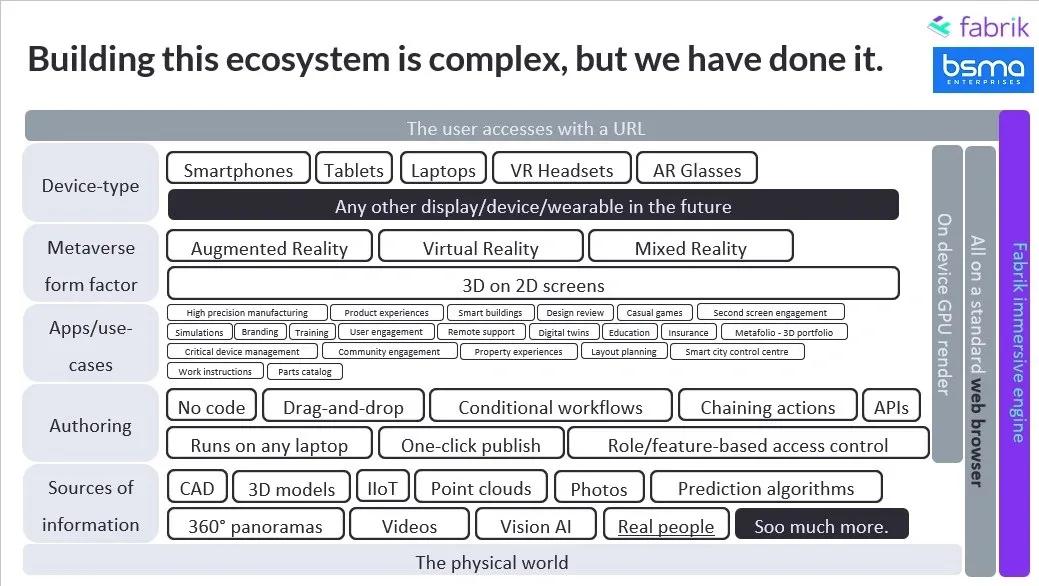
One of the primary benefits of browser-based digital twins is their accessibility . Traditional digital twin solutions often required specialized software and powerful hardware to run 3D models and simulations. With the rise of browser-based platforms like Fabrik, digital twins can now be accessed from any device with an internet connection , including laptops, tablets, and even smartphones. This reduces the need for enterprises to invest in high-performance computing infrastructure and allows workers in the field or remote locations to access critical data easily.
For example, Fabrik offers device-agnostic solutions , allowing users to interact with complex 3D models without requiring heavy computational resources or expensive GPU systems. The ability to access these twins on lightweight devices democratizes technology across different skill levels and roles within an organization, enhancing operational efficiency.
Real-Time Monitoring and Control
Industrial processes are often dynamic and involve numerous variables, from machine performance to environmental conditions. Browser-based digital twins allow for real-time monitoring , enabling operators to visualize operational data such as equipment status, energy consumption, and performance metrics directly from the digital twin interface.
For example, in aerospace manufacturing, Fabrik’s digital twin solutions enable users to integrate multiple data types (e.g., sensor data, operational history) into a single dashboard for easy access. This centralization of information enables better decision-making and quicker responses to any issues. In mining, where safety is a significant concern, Fabrik’s digital twins provide real-time environmental monitoring of land degradation or water resources, leading to more informed decision-making.
Cost Efficiency and Scalability
Another advantage of browser-based digital twins is their cost efficiency . By moving to a web-based platform, industries can cut down on the upfront costs associated with purchasing and maintaining specialized software and hardware. Additionally, browser-based platforms often come with subscription or pay-as-you-go pricing models, making them more flexible for scaling depending on the size and needs of the business.
The scalability of browser-based digital twins cannot be understated. Whether an organization is overseeing a single factory floor or managing multiple facilities across the globe, these solutions are easily scalable. Fabrik, for instance, offers no-code authoring for digital twins, making it easy for companies to create, modify, and deploy digital twins at scale. This flexibility is especially crucial in industries like automotive manufacturing, where production lines can vary drastically in complexity.
Collaborative Capabilities
The web-based nature of digital twins allows for enhanced collaboration across teams, both locally and globally. Traditional systems often require everyone to be on-site or connected to the same local network to view and manipulate the digital twin. However, browser-based platforms allow for real-time collaboration from any location.
For example, Fabrik’s platform enables remote collaboration within its digital twins, allowing multiple users to annotate, comment, and make real-time adjustments. This feature is especially beneficial in industries like smart cities and aerospace, where cross-departmental collaboration and alignment are essential for smooth operations.
Remote Troubleshooting and Predictive Maintenance
In industrial environments, downtime caused by equipment failure can be incredibly costly. Browser-based digital twins offer powerful tools for remote troubleshooting and predictive maintenance , enabling operators to foresee potential issues and take preventive measures before breakdowns occur.
With real-time data feeds from sensors and IoT devices, digital twins can highlight areas of concern and even provide 3D visual work instructions to guide technicians in resolving issues. For example, in automotive assembly lines, Fabrik’s digital twin solution provides visual work instructions, reducing dependency on paper-based instructions and improving worker efficiency. Moreover, the platform can integrate historical performance data, allowing users to track trends and predict failures.
In aerospace, digital twins are used to provide step-by-step visual guides for aircraft inspections, reducing human errors and improving the accuracy of maintenance activities.
Integration with Existing Systems
One of the significant challenges in deploying digital twins is ensuring that they integrate seamlessly with existing enterprise systems. Browser-based digital twins like Fabrik excel in this aspect by supporting various data inputs and integrating with other enterprise tools such as SCADA, ERP, and PLM systems.
By providing an open API structure, Fabrik allows enterprises to pull in data from multiple sources—such as BMS, IoT devices, and operational databases —and visualize it all within the digital twin. This integration capability is crucial in industries like energy, aerospace, and mining, where disparate systems often operate in silos.
No-Code Authoring and Customization
Another advantage of browser-based digital twins is the no-code authoring capability, which enables users to create, modify, and manage digital twins without the need for advanced coding skills. This ease of customization allows for rapid development and deployment of digital twins tailored to specific industrial applications.
For example, Fabrik’s no-code platform enables enterprises to create custom visual work instructions, simulations, and dashboards. In automotive manufacturing, these digital instructions can guide technicians through complex repairs or assembly processes, ensuring consistency and reducing human error.
In conclusion, browser-based digital twins represent a significant technological advancement for industrial applications, offering unparalleled accessibility, real-time monitoring, collaboration, cost efficiency , and scalability . By moving digital twins to the browser, platforms like Fabrik provide organizations across industries with powerful tools to optimize operations , reduce downtime , and increase productivity , all while being accessible from any device with an internet connection. As industrial sectors continue to digitize, browser-based digital twins are poised to play a pivotal role in the future of operations management.