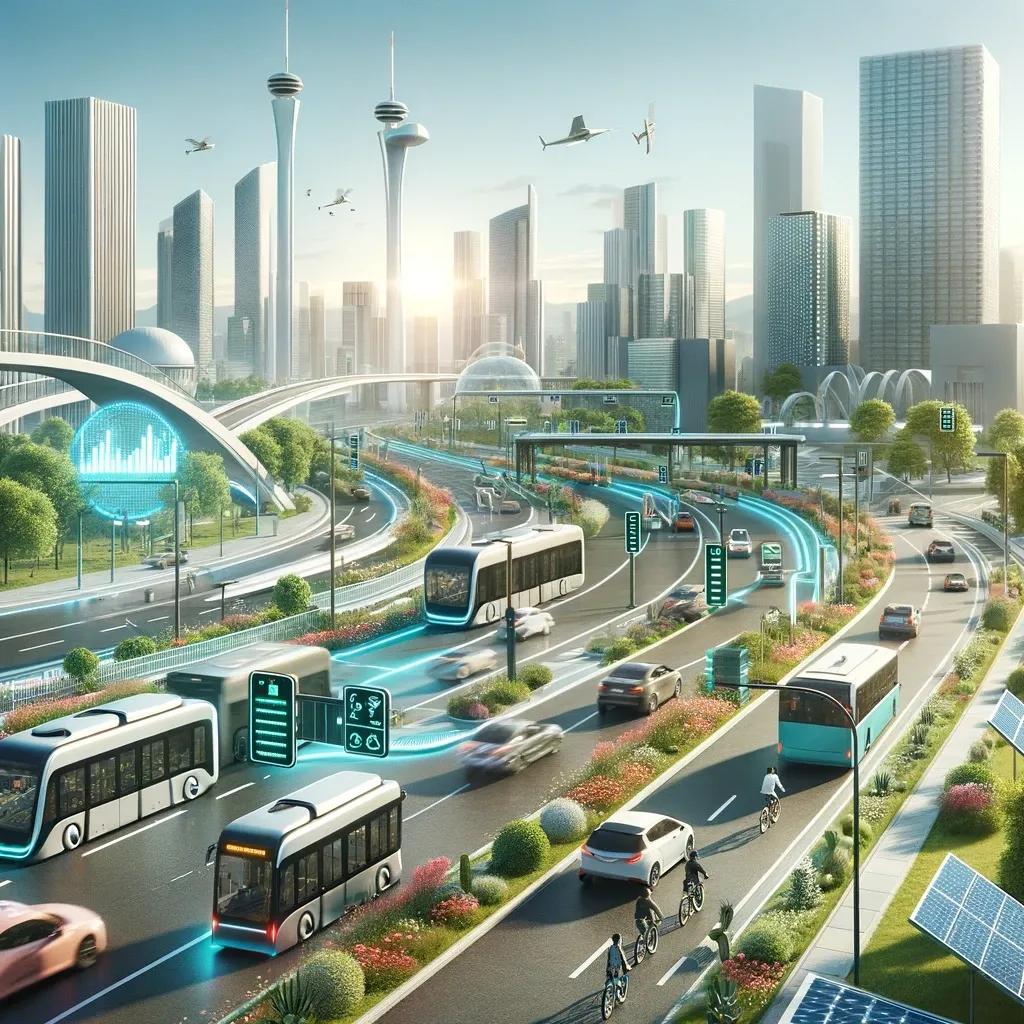
The dawn of the 21st century has brought with it a pressing need for sustainable urban transport solutions. With burgeoning urban populations and escalating environmental concerns, the role of evolving technology in shaping sustainable investment in urban transport has become pivotal. This article delves into the nuances of sustainable investment in urban transport, underscoring the transformative impact of emerging technologies.
Understanding Sustainable Investment in Urban Transport
Sustainable investment in urban transport refers to the allocation of financial resources towards transportation systems that are environmentally friendly, economically viable, and socially inclusive. The primary objective is to create transport infrastructures that reduce carbon emissions, alleviate traffic congestion, and improve the quality of urban life.
The Imperative for Sustainable Urban Transport
Urban transport systems are at the core of city life. However, conventional transport models, heavily reliant on fossil fuels, have led to increased carbon emissions, deteriorating air quality, and heightened noise pollution. These factors contribute significantly to climate change and adversely affect public health. Hence, transitioning to sustainable urban transport is not just a necessity but an urgent imperative.
Evolving Technology: A Catalyst for Change
The integration of advanced technology in urban transport systems marks a paradigm shift towards sustainability. Technologies such as electric vehicles (EVs), smart traffic management systems, and shared mobility platforms are reshaping the urban transport landscape.
Electric Vehicles (EVs): EVs are at the forefront of this transformation. By switching to electric mobility, cities can significantly reduce greenhouse gas emissions. Investment in EV infrastructure, including charging stations and grid enhancements, is vital for the widespread adoption of electric vehicles.
Smart Traffic Management Systems: Leveraging data analytics and IoT (Internet of Things) technologies, smart traffic management systems optimize traffic flow, reduce congestion, and lower emissions. These systems use real-time data to adjust traffic signals, predict traffic patterns, and manage public transit schedules efficiently.
Shared Mobility Platforms: Car-sharing and bike-sharing platforms reduce the need for private vehicle ownership, thereby decreasing traffic congestion and emissions. These platforms, often app-based, offer convenient and flexible transportation options, promoting a shift towards shared mobility.
Investment Strategies and Funding Mechanisms
For sustainable urban transport initiatives to be successful, robust investment strategies and innovative funding mechanisms are necessary. Public-private partnerships (PPPs) can play a crucial role in mobilizing resources and sharing risks. Moreover, governments can incentivize sustainable transport projects through subsidies, tax rebates, and grants.
Green bonds are another effective funding mechanism. These bonds specifically finance projects with environmental benefits, including sustainable urban transport initiatives. The rise in green bond issuances reflects a growing interest in eco-friendly investments among institutional and individual investors.
Challenges and Opportunities
Despite the potential benefits, there are challenges in the path towards sustainable urban transport. One significant challenge is the high initial cost of implementing new technologies. Additionally, there is a need for regulatory frameworks that support and promote sustainable transport initiatives.
However, these challenges also present opportunities. For instance, the development of EV technology can spur innovation in battery storage and renewable energy. Similarly, the expansion of smart traffic management systems offers opportunities for data analysis and IoT applications.
The Role of Stakeholders
The transition to sustainable urban transport requires the concerted efforts of various stakeholders. Governments need to formulate policies and regulations that facilitate this shift. Private sector entities can contribute through investment and technological innovation. Importantly, public awareness and acceptance are crucial for the success of sustainable transport systems.
The Global Perspective
Globally, several cities are leading the way in sustainable urban transport. For instance, Copenhagen's investment in cycling infrastructure and Amsterdam's emphasis on electric mobility serve as exemplary models. Similarly, Singapore’s efficient public transit system and London’s congestion charge are notable efforts in this direction.
In India, the Kerala Transit Model, exemplified by the Water Metro project in Kochi, serves as a pioneering example of how urban transport can be reimagined for sustainability. This innovative project integrates water-based transport with the city's overall transit network, offering a green, efficient, and accessible mode of travel for residents and visitors alike. It highlights the potential of utilizing natural waterways in urban areas to ease traffic congestion and reduce environmental impact.
These global efforts demonstrate the varied approaches cities can adopt to transition towards more sustainable and efficient urban transport systems. Each model provides valuable insights into the integration of technology, policy, and community engagement in creating a more sustainable future for urban transportation.
The Future of Urban Transport
Looking ahead, the future of urban transport is inextricably linked with technological advancement. Autonomous vehicles, AI-powered traffic management systems, and the integration of transport modes through Mobility as a Service (MaaS) platforms are likely to be at the forefront of this evolution.
Conclusion
In conclusion, sustainable investment in urban transport, bolstered by evolving technology, is not just a trend but a necessity for the future of urban living. It presents a path towards environmentally sustainable, economically viable, and socially inclusive urban transport systems. The journey towards this goal is laden with challenges, but the opportunities it presents are immense. As technology continues to evolve, it will undoubtedly play a central role in shaping the future of urban transport.