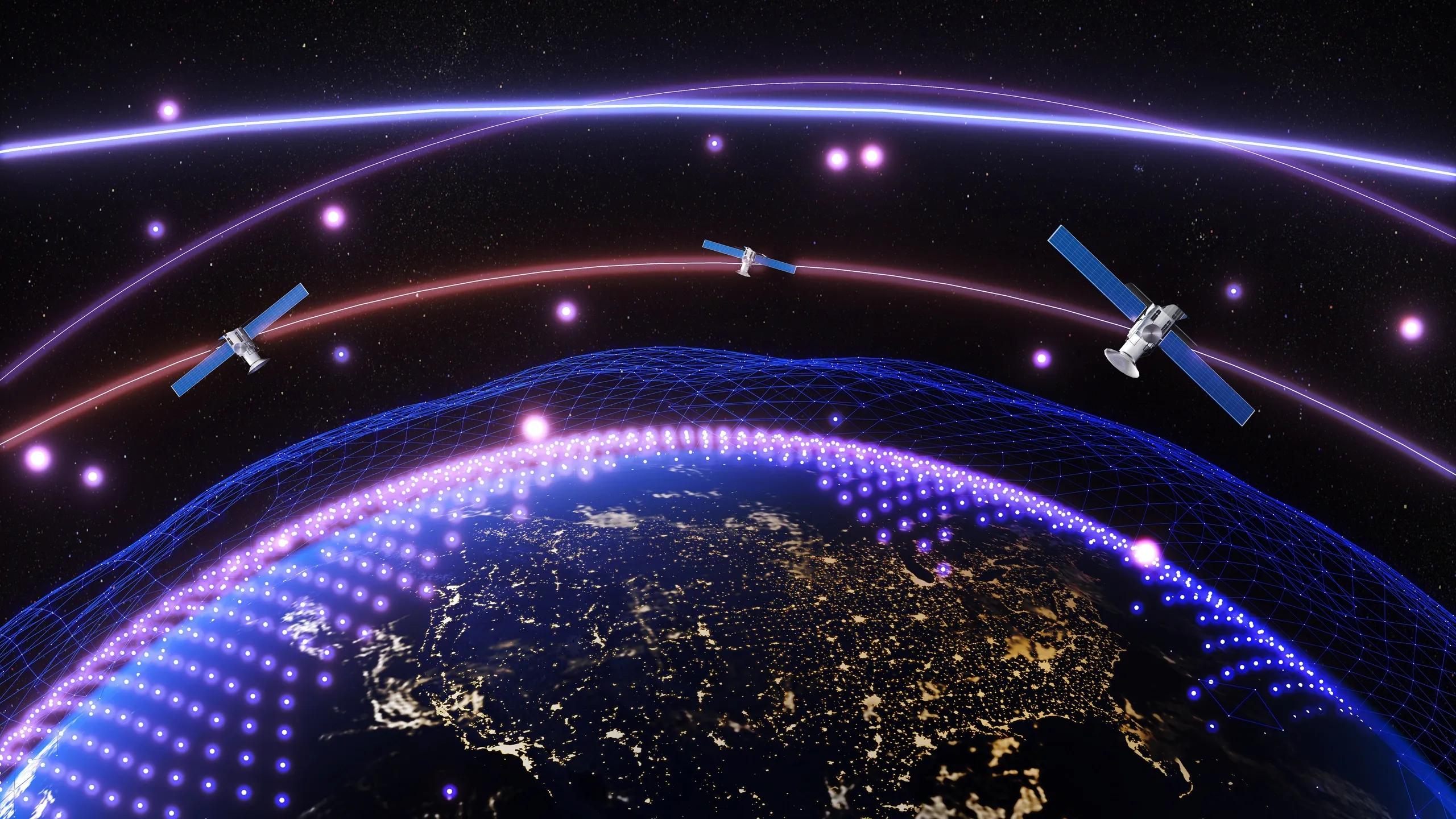
Space-enabled technologies are rapidly becoming the backbone of innovations across industries, offering solutions to some of the most pressing global challenges. From enhancing connectivity to revolutionizing disaster management and environmental monitoring, these technologies are set to redefine life on Earth. This article delves into the technical aspects and potential applications of space-enabled technologies, emphasizing their transformative role over the next decade.
1. Enhanced Connectivity and Communication
Space-Based 5G and Beyond
The deployment of satellite constellations for high-speed communication networks marks a significant leap forward. Space-based 5G technologies, supported by Low Earth orbit (LEO) satellites, promise to deliver reliable internet connectivity to remote and underserved regions. By bridging the digital divide, these advancements enable:
IoT in Remote Locations: Improved satellite communication systems will facilitate the deployment of IoT devices in previously inaccessible areas, enabling smart agriculture, environmental monitoring, and remote industrial operations.
Autonomous Vehicles: Reliable global connectivity will accelerate the adoption of autonomous cars, drones, and marine vessels, particularly in regions where terrestrial infrastructure is sparse.
Disaster Response and Recovery
Satellites serve as the backbone of communication in disaster-stricken areas. During natural calamities like earthquakes, hurricanes, or floods, space-enabled communication systems ensure that emergency services and aid organizations remain operational. Satellite imagery, combined with real-time data transmission, enables precise disaster impact assessment, expediting relief efforts.
2. Accurate Navigation and Timing
Advancements in GPS Technology
Satellite navigation systems are undergoing a transformative upgrade, delivering unparalleled precision in positioning and timing. Key applications include:
Autonomous Transportation: Enhanced GPS accuracy facilitates safer and more efficient navigation for autonomous vehicles, air traffic control, and maritime operations.
Precision Agriculture: Farmers are leveraging precise satellite data to optimize planting schedules, irrigation systems, and pest control measures. These practices not only improve yield but also minimize resource wastage.
Autonomous Shipping
The maritime industry is poised for disruption with the advent of autonomous ships. Space-enabled navigation systems play a critical role in ensuring the seamless operation of these vessels, offering benefits such as:
Reduced Operational Costs: Automation eliminates the need for large onboard crews, significantly cutting expenses.
Enhanced Safety: Real-time data from satellites enhances situational awareness, reducing accidents caused by human error.
Environmental Benefits: Efficient routing minimizes fuel consumption, lowering the carbon footprint of global shipping.
3. Advanced Earth Observation and Monitoring
Climate Change Mitigation
Satellites are indispensable tools for climate change research and mitigation. They provide high-resolution data on:
Greenhouse Gas Emissions: Monitoring emission hotspots enables policymakers to implement targeted interventions.
Deforestation and Biodiversity Loss: Satellites track changes in forest cover, helping conservation efforts.
Ice Cap Melting: Data on polar ice loss informs strategies for combating rising sea levels.
Improved Weather Forecasting
Next-generation weather satellites enhance the accuracy and timeliness of meteorological predictions. Their applications extend across multiple domains:
Disaster Preparedness: Timely warnings for extreme weather events reduce loss of life and property.
Agriculture: Reliable weather forecasts support crop planning and pest management, ensuring food security.
Precision Agriculture
Space-enabled imaging technologies allow farmers to monitor crop health, soil moisture, and pest infestations with unprecedented accuracy. By integrating satellite data with AI and machine learning algorithms, predictive analytics can guide decision-making, increasing agricultural productivity while conserving resources.
Environmental Monitoring
Satellites are pivotal in detecting and analyzing environmental changes such as pollution levels, land degradation, and ocean health. These insights drive policies for sustainable ecosystem management.
4. New Resources and Industries
Space-Based Solar Power
The concept of harvesting solar energy in space and transmitting it to Earth via microwaves or lasers holds immense potential. Unlike terrestrial solar panels, space-based systems can operate continuously, unaffected by weather or day-night cycles. While still in experimental stages, this technology could revolutionize renewable energy production.
Space Mining
Asteroid mining is no longer the realm of science fiction. The extraction of precious metals and minerals from celestial bodies promises to:
Support Space Exploration: Resources like water can be converted into rocket fuel, enabling deeper space missions.
Boost Earth’s Resource Supply: Rare elements obtained from space mining can support high-tech industries on Earth, reducing reliance on terrestrial mining.
5. Transforming Healthcare and Medicine
Remote Healthcare Access
Satellite communication extends the reach of telemedicine to remote and underserved communities. Patients in isolated regions can access virtual consultations, remote diagnostics, and even robotic surgeries guided by specialists in urban centers.
Medical Research in Microgravity
Space platforms like the International Space Station (ISS) offer unique environments for medical research. Microgravity conditions enable studies on:
Cellular Behavior: Insights into cell growth and mutation processes aid in cancer research.
Drug Development: Experiments conducted in space accelerate the discovery of effective treatments for diseases.
6. The Road Ahead: Challenges and Opportunities
Challenges
Despite their immense potential, space-enabled technologies face several hurdles:
High Initial Costs: Launching and maintaining satellite infrastructure requires significant investment.
Space Debris: The growing number of satellites increases the risk of orbital collisions, necessitating sustainable space operations.
Regulatory Frameworks: International cooperation is crucial for managing space resources and mitigating conflicts.
Opportunities
With advancements in manufacturing, miniaturization, and automation, the cost of space-enabled solutions is steadily declining. Public-private partnerships and government initiatives further fuel innovation in this sector.
7. Integration with Sustainable Development Goals (SDGs)
Space-enabled technologies align closely with the United Nations’ Sustainable Development Goals, addressing critical areas such as:
SDG 2: Zero Hunger: Precision agriculture supports sustainable food production.
SDG 13: Climate Action: Satellite data drives strategies to combat climate change.
SDG 9: Industry, Innovation, and Infrastructure: Enhanced connectivity fosters economic growth in developing regions.
In conclusion, the next decade heralds an era of unparalleled innovation driven by space-enabled technologies. From improving connectivity and environmental monitoring to revolutionizing healthcare and resource management, these advancements offer solutions to global challenges. By integrating satellite data with emerging technologies like AI, IoT, and blockchain, humanity can unlock new frontiers of progress. However, realizing this potential requires collaborative efforts across nations, industries, and academia to ensure sustainable and equitable development.
As we look at the stars, it is evident that the innovations born of space exploration are not just about leaving Earth but about improving life on it. With a proactive approach to addressing challenges and embracing opportunities, space-enabled technologies will play a central role in shaping a resilient, prosperous, and interconnected future.