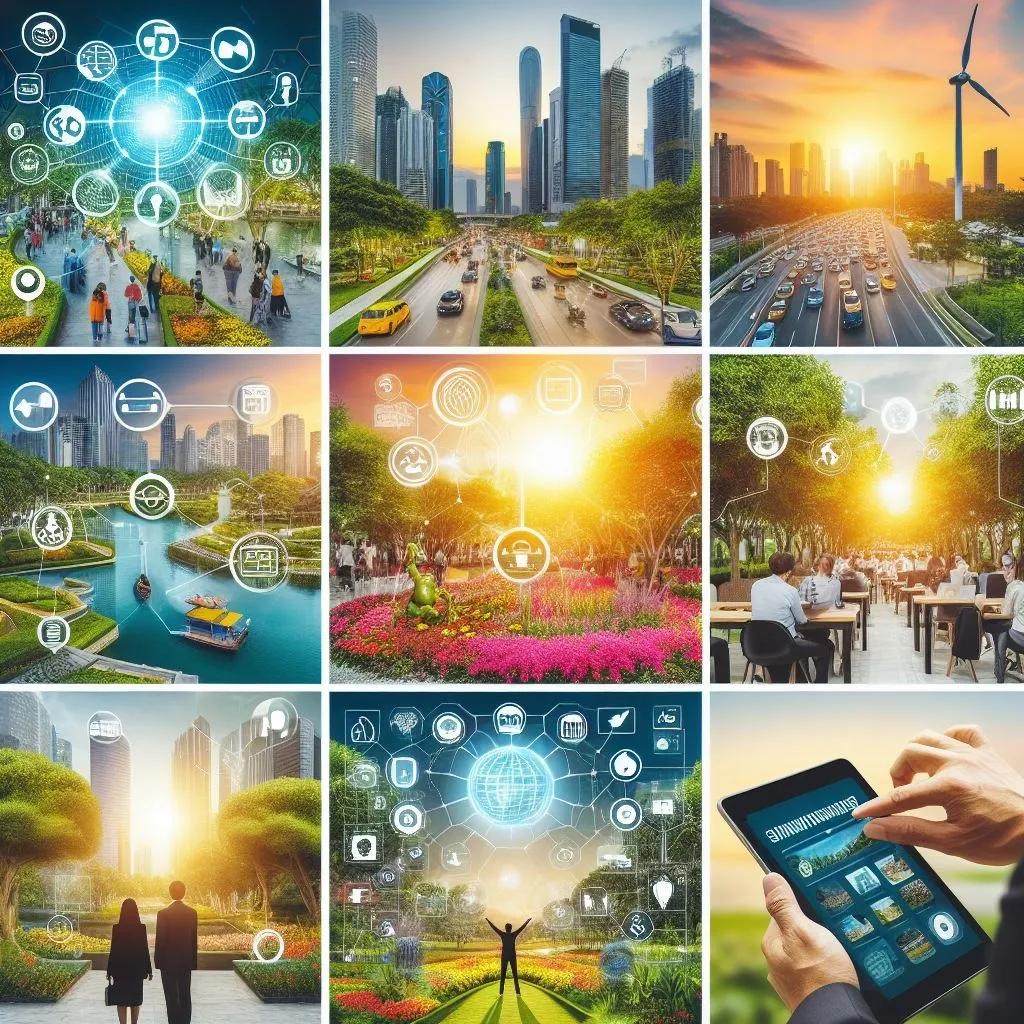
In the contemporary urban landscape, the integration of technology with natural environments is becoming increasingly vital. Smart Parks and Green Spaces represent a pioneering approach to urban planning, merging the serenity of nature with the innovations of technology. This article delves into the essence of Smart Parks and Green Spaces, exploring the technologies that monitor and enhance urban greenery, thereby significantly contributing to the quality of urban life.
The Concept of Smart Parks and Green Spaces
Smart Parks and Green Spaces are innovative urban areas that utilize information and communication technologies (ICT) to enhance environmental management and visitor experiences. These parks are not just green spaces but are integrated with sensors, IoT (Internet of Things) devices, and advanced data analytics to create sustainable, interactive, and adaptive urban environments. They aim to foster biodiversity, enhance public health, and contribute to the sustainability of urban areas.
Technologies Transforming Urban Greenery
1. IoT Sensors and Big Data Analytics
At the heart of Smart Parks are IoT sensors that collect data on various environmental parameters such as soil moisture, air quality, water levels, and plant health. This data is then analyzed through big data analytics to inform maintenance schedules, irrigation needs, and environmental conditions. By doing so, park administrators can optimize resource use and maintain the greenery more efficiently, ensuring that the flora and fauna thrive.
2. GIS and Remote Sensing
Geographic Information Systems (GIS) and remote sensing technologies play a crucial role in the planning and management of Smart Parks. GIS provides detailed maps and spatial analyses for better understanding and decision-making regarding land use and park layouts. Remote sensing, on the other hand, offers insights into vegetation health, land cover changes, and environmental impacts over time, facilitating proactive management of green spaces.
3. Mobile Applications and Augmented Reality
To enhance visitor experiences, Smart Parks leverage mobile applications and augmented reality (AR). These technologies offer interactive maps, educational content about the park's ecosystem, and gamified experiences that encourage exploration and learning. AR can bring historical sites within the park to life or provide virtual guides for flora and fauna, making visits more informative and engaging.
4. Automated Maintenance and Drones
Automated maintenance technologies, including robotic mowers and drones, are employed for upkeep tasks. Drones, in particular, offer a bird's-eye view of the parks, enabling quick assessments of large areas for maintenance needs or monitoring wildlife without disturbing the natural habitat. These technologies ensure that parks remain pristine while minimizing the amount of human labor required for maintenance.
5. Smart Lighting and Energy Management
Energy efficiency is another cornerstone of Smart Parks. Smart lighting systems use motion sensors and timers to reduce energy consumption, providing safety for visitors while minimizing the park's carbon footprint. Solar panels and other renewable energy sources can also be integrated into power park facilities, further promoting sustainability.
Benefits of Smart Parks and Green Spaces
The implementation of technology in urban green spaces brings manifold benefits:
Environmental Conservation: Smart technologies enable more efficient water and energy use, helping to conserve these critical resources. Moreover, they assist in monitoring biodiversity and ecosystems, ensuring that urban greenery contributes positively to local wildlife and plant life.
Enhanced Public Health: By providing well-maintained and accessible green spaces, Smart Parks encourage outdoor activities and interaction with nature, which are known to improve physical and mental health.
Educational Opportunities: Interactive technologies and AR applications offer educational opportunities, making Smart Parks valuable resources for learning about nature, sustainability, and the environment.
Community Engagement: Smart Parks can foster a sense of community by hosting events and activities that bring people together, leveraging technology to enhance participation and engagement.
Challenges and Considerations
While the benefits are significant, there are challenges to implementing Smart Parks, including the initial costs, privacy concerns related to data collection, and the need for continuous technological updates. Successful Smart Parks require careful planning, robust data security measures, and ongoing community engagement to ensure they meet the needs of all stakeholders.
In conclusion, Smart Parks and Green Spaces represent a forward-thinking approach to urban planning where technology and nature coalesce to create sustainable, interactive, and beneficial environments. By leveraging IoT, GIS, mobile technologies, and more, these spaces can enhance urban living, promote environmental sustainability, and provide enriching experiences for visitors. As cities continue to grow, the role of Smart Parks in promoting a healthier, more sustainable urban future cannot be overstated. Through innovative technology and thoughtful design, Smart Parks stand at the forefront of transforming urban landscapes for the betterment of communities and the environment alike.