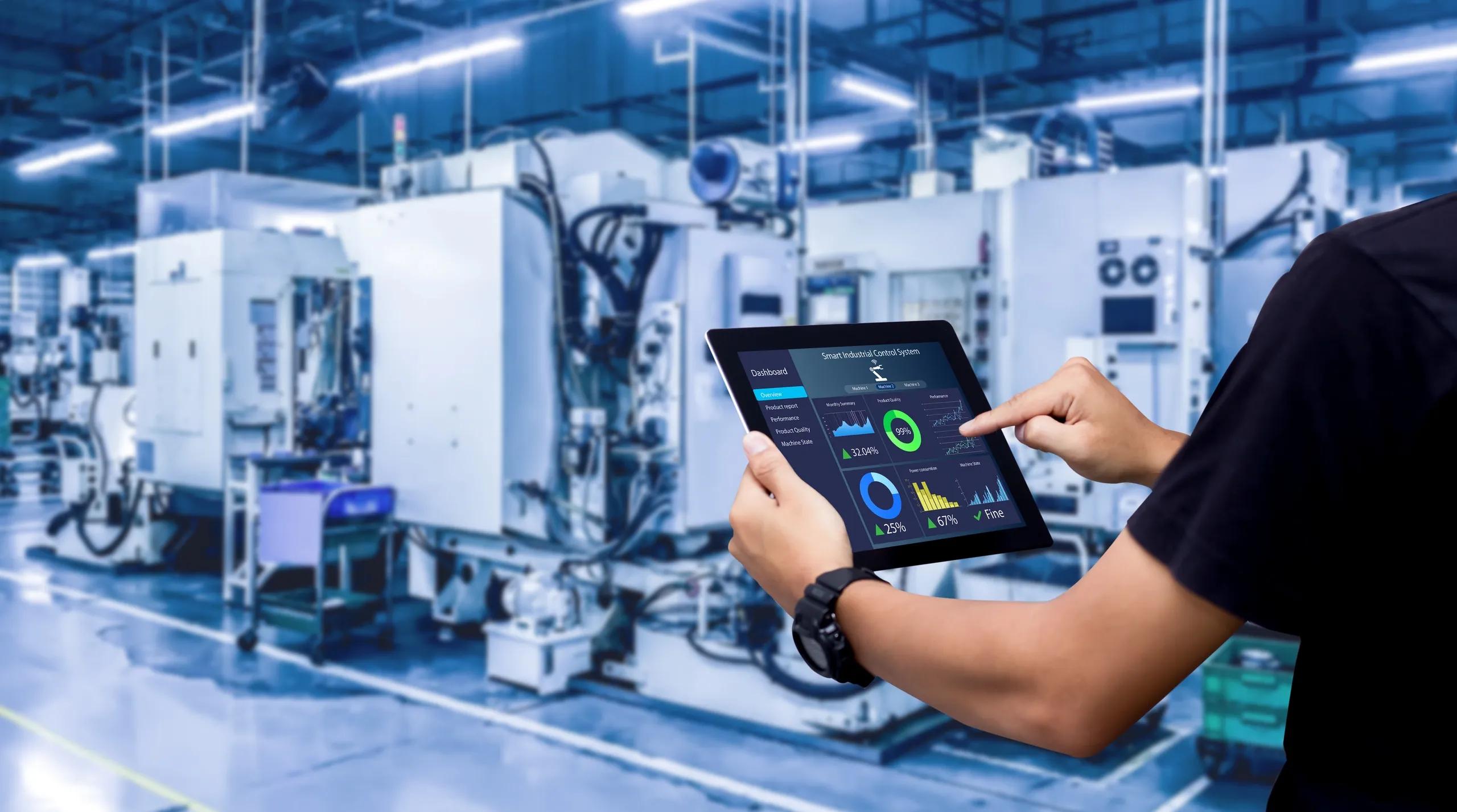
The manufacturing sector is undergoing a significant transformation driven by the convergence of advanced technologies. Among these, the Internet of Things (IoT) stands out as a pivotal enabler, revolutionizing traditional manufacturing paradigms and ushering in the era of "Smart Manufacturing." This paradigm shift is characterized by the integration of interconnected devices, sensors, and software systems to achieve real-time monitoring and control across the entire production lifecycle. This article delves into the technical intricacies of leveraging IoT for smart manufacturing, exploring its architecture, functionalities, benefits, and challenges.
The Foundation: IoT in Manufacturing
At its core, Smart Manufacturing powered by IoT involves the creation of a cyber-physical system where physical manufacturing processes are seamlessly integrated with digital information networks. This integration is achieved through multi-layered architecture:
Sensor Layer: This layer comprises a vast array of sensors strategically deployed across the manufacturing environment. These sensors are designed to capture real-time data on a multitude of parameters, including: Machine Performance: Vibration sensors, temperature sensors, acoustic sensors, and current sensors embedded within machinery monitor operational status, detect anomalies, and track performance metrics like uptime, throughput, and energy consumption. Environmental Conditions: Temperature, humidity, pressure, and light sensors monitor ambient conditions within the factory. This data is crucial for maintaining optimal operating environments, ensuring product quality, and adhering to safety standards. Material and Inventory Tracking: RFID tags, barcode scanners, and GPS trackers attached to raw materials, work-in-progress, and finished goods provide real-time visibility into inventory levels, material flow, and supply chain dynamics. Product Quality: Vision systems, laser scanners, and specialized sensors integrated into production lines perform automated quality checks, detecting defects, dimensional inaccuracies, and surface imperfections at various stages of manufacturing.
Connectivity Layer: This layer provides the communication infrastructure for data transmission from the sensor layer to higher-level systems. Various communication protocols and technologies are employed, including: Industrial Ethernet: Wired Ethernet networks provide robust and reliable high-bandwidth communication within the factory floor, connecting sensors, machines, and control systems. Wireless Technologies: Wi-Fi, Bluetooth, Zigbee, and cellular networks offer flexibility and scalability for connecting sensors in diverse locations, particularly for mobile assets and remote monitoring applications. Industrial Protocols: Protocols like Modbus, Profinet, and OPC UA facilitate interoperability and seamless data exchange between heterogeneous industrial devices and systems, ensuring standardized communication across the manufacturing ecosystem.
Data Analytics and Processing Layer: The vast amounts of data generated by the sensor layer are aggregated, processed, and analyzed in this layer. This involves: Edge Computing: Processing data at the edge, closer to the data source, reduces latency, minimizes bandwidth requirements, and enables real-time decision-making for critical control loops. Edge devices perform initial data filtering, aggregation, and pre-processing before transmitting relevant information to the cloud. Cloud Computing: Cloud platforms provide scalable storage, computational power, and advanced analytics capabilities for handling massive datasets. Cloud-based analytics engines perform complex data analysis, pattern recognition, and machine learning to extract actionable insights from manufacturing data. Data Visualization and Reporting: User-friendly dashboards and reporting tools present processed data in an intuitive format, enabling operators, engineers, and managers to visualize key performance indicators (KPIs), identify trends, and gain a comprehensive understanding of manufacturing operations.
Application and Control Layer: This layer utilizes the insights derived from data analytics to enable real-time monitoring and control of manufacturing processes. Applications in this layer include: Manufacturing Execution Systems (MES): MES integrate with IoT data to provide real-time visibility into production schedules, work orders, resource allocation, and quality control. They enable optimized production planning, execution, and tracking. Enterprise Resource Planning (ERP) Systems: ERP systems leverage IoT data for broader business process optimization, including supply chain management, inventory control, demand forecasting, and customer relationship management. Industrial Control Systems (ICS): ICS, such as Programmable Logic Controllers (PLCs) and Supervisory Control and Data Acquisition (SCADA) systems, are enhanced by IoT data to enable advanced automation, closed-loop control, and adaptive process optimization in real-time.
Real-Time Monitoring: Gaining Granular Visibility
IoT empowers manufacturers with unprecedented real-time visibility into their operations. This granular visibility is achieved through continuous data acquisition and analysis, enabling proactive decision-making and operational improvements.
Machine Health Monitoring: Real-time sensor data from machinery enables proactive maintenance strategies. By monitoring vibration patterns, temperature fluctuations, and acoustic signatures, predictive maintenance algorithms can identify impending equipment failures before they occur. This allows for scheduled maintenance interventions, minimizing unplanned downtime and extending equipment lifespan.
Process Parameter Monitoring: IoT sensors continuously monitor critical process parameters such as temperature, pressure, flow rate, and speed in manufacturing processes. Deviations from optimal ranges are instantly detected, triggering alerts and enabling immediate corrective actions to maintain product quality and process efficiency.
Inventory and Material Tracking: Real-time tracking of materials and inventory using RFID and GPS technologies provides accurate visibility into stock levels, material locations, and production flow. This minimizes inventory holding costs, reduces material waste, and optimizes supply chain responsiveness.
Quality Assurance and Defect Detection: Integrated vision systems and quality sensors perform automated inspections throughout the production process. Real-time defect detection enables immediate isolation of faulty products, preventing further processing of defective items and minimizing waste.
Real-Time Control: Enabling Dynamic Optimization
Beyond monitoring, IoT facilitates real-time control of manufacturing processes, enabling dynamic optimization and adaptive adjustments to changing conditions.
Automated Process Control: IoT data feeds directly into ICS and MES, enabling closed-loop control systems. Real-time feedback from sensors allows for automated adjustments to process parameters, ensuring consistent product quality, optimizing resource utilization, and maximizing production efficiency.
Predictive Maintenance and Adaptive Scheduling: Insights from machine health monitoring data drive predictive maintenance strategies. Maintenance schedules are dynamically adjusted based on actual machine condition, minimizing unnecessary interventions and optimizing maintenance resource allocation. Furthermore, production schedules can be adaptively adjusted based on real-time machine availability and predicted downtime.
Adaptive Production Scheduling: Real-time data on inventory levels, production rates, and customer demand enables adaptive production scheduling. Manufacturing processes can be dynamically adjusted to match fluctuating demand, optimize resource allocation, and minimize lead times.
Remote Operation and Management: IoT connectivity enables remote monitoring and control of manufacturing facilities. Operators and engineers can access real-time data, diagnose issues, and implement corrective actions from remote locations, enhancing operational resilience and enabling efficient management of geographically distributed facilities.
Benefits of IoT-Enabled Smart Manufacturing
The adoption of IoT in manufacturing yields a multitude of benefits, transforming operational efficiency and business performance:
Increased Efficiency and Productivity: Real-time monitoring and control optimize resource utilization, reduce waste, minimize downtime, and streamline production processes, leading to significant improvements in overall efficiency and productivity.
Reduced Downtime and Maintenance Costs: Predictive maintenance enabled by IoT minimizes unplanned equipment failures, reduces downtime, and optimizes maintenance schedules, resulting in significant cost savings and improved operational continuity.
Improved Product Quality and Consistency: Real-time quality monitoring and automated process control ensure consistent product quality, minimize defects, and enhance customer satisfaction.
Enhanced Safety and Compliance: Environmental monitoring and machine health monitoring contribute to a safer working environment. Real-time alerts and automated safety protocols enhance worker safety and ensure compliance with regulatory standards.
Data-Driven Decision Making: Comprehensive data collection and analytics provide valuable insights into manufacturing operations, enabling data-driven decision-making at all levels of the organization, from shop floor operators to executive management.
Challenges and Considerations
While the benefits of IoT in smart manufacturing are substantial, successful implementation requires careful consideration of several challenges:
Data Security and Cybersecurity: The interconnected nature of IoT systems introduces cybersecurity vulnerabilities. Robust security measures, including data encryption, access control, and threat detection systems, are crucial to protect sensitive manufacturing data and prevent cyberattacks.
Data Privacy and Compliance: The vast amounts of data collected by IoT systems raise data privacy concerns. Compliance with data privacy regulations, such as DPDP, GDPR and CCPA, is essential. Secure data handling practices and anonymization techniques must be implemented to protect sensitive information.
Integration Complexity and Interoperability: Integrating diverse IoT devices, legacy systems, and cloud platforms can be complex. Open standards, interoperability protocols, and well-defined integration architectures are crucial for seamless data exchange and system integration.
Skill Gaps and Workforce Development: Implementing and managing IoT systems requires specialized skills in data analytics, cybersecurity, and industrial networking. Addressing skill gaps through workforce training and development programs is essential for successful IoT adoption.
Initial Investment and ROI: Implementing IoT solutions requires upfront investments in sensors, connectivity infrastructure, software platforms, and system integration. A clear understanding of the return on investment (ROI) and a phased implementation approach are crucial for justifying investments and ensuring project success.
Conclusion: Shaping the Future of Manufacturing
IoT is undeniably transforming the manufacturing landscape, driving the evolution towards Smart Manufacturing. By enabling real-time monitoring and control, IoT empowers manufacturers with unprecedented visibility, agility, and efficiency. While challenges remain, the transformative potential of IoT in optimizing production processes, enhancing product quality, and driving operational excellence is undeniable. As IoT technologies mature and become more accessible, their widespread adoption will continue to shape the future of manufacturing, creating more responsive, efficient, and sustainable production systems. The journey towards fully realized Smart Manufacturing is ongoing, but the foundational role of IoT in this revolution is firmly established, promising a future where data-driven insights and real-time control are at the heart of manufacturing operations.