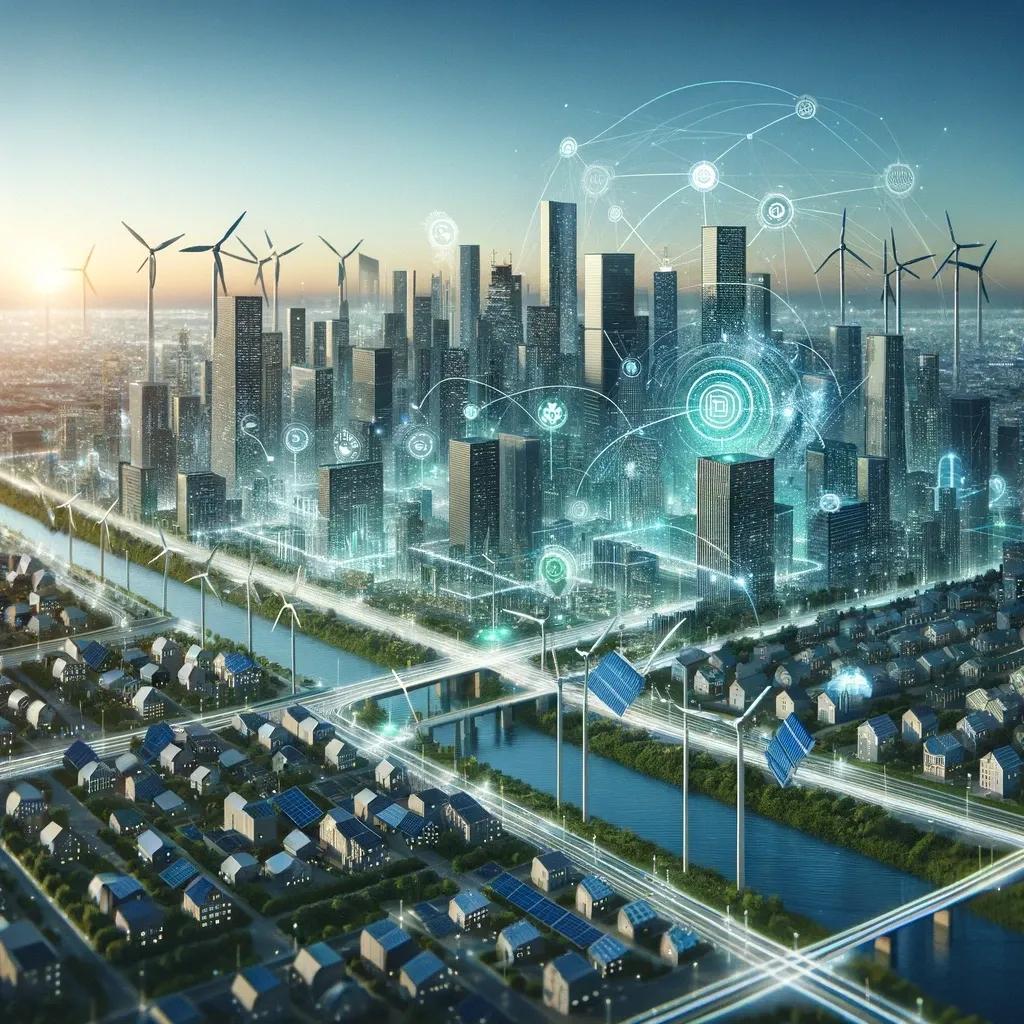
In the quest for sustainable urban energy management, smart grids emerge as a cornerstone technology, enabling cities to harness renewable energy resources efficiently. This technology represents a significant shift from traditional power systems, integrating advanced digital solutions to manage and distribute electricity. The evolution of smart grids is pivotal for urban centers aiming to reduce carbon footprints, enhance energy security, and provide reliable, cost-effective power to meet the growing demands of their populations. This article delves into the role of smart grids in sustainable urban energy management, exploring their functionality, benefits, and the challenges they pose.
Understanding Smart Grids
At its core, a smart grid is an electricity network that utilizes digital technology to monitor and manage the transport of electricity from all generation sources to meet the varying electricity demands of end-users. Smart grids incorporate a wide range of technologies such as smart meters, smart appliances, renewable energy resources, and energy-efficient resources. These components work together to improve the reliability, security, and efficiency of the electricity system.
The Role of Renewable Energy
Renewable energy sources, such as solar, wind, hydro, and biomass, play a crucial role in the transition towards more sustainable urban energy systems. However, integrating these variable energy sources into the grid presents a unique set of challenges, primarily due to their intermittent nature. Smart grids address these challenges by leveraging real-time data analytics and advanced forecasting techniques to balance supply and demand, thereby facilitating a higher penetration of renewable energy.
Key Features of Smart Grids
Advanced Metering Infrastructure (AMI): Smart meters provide real-time data on electricity usage to both utilities and consumers, enhancing transparency and promoting energy conservation.
Grid Automation: Automated control systems enable real-time monitoring and management of the grid, improving response times to outages and system disturbances.
Demand Response (DR): DR allows utilities to adjust demand in response to supply conditions, such as reducing load during peak demand periods or when renewable energy availability is low.
Energy Storage Systems: Integrating energy storage solutions, such as batteries, helps to mitigate the variability of renewable energy sources, ensuring a stable energy supply.
Distributed Energy Resources (DERs): DERs, including rooftop solar panels and small-scale wind turbines, contribute to energy generation closer to where it is consumed, reducing transmission losses and enhancing grid resilience.
Benefits of Smart Grids
Enhanced Energy Efficiency
Smart grids optimize the delivery and use of energy, reducing waste through improved demand forecasting and the ability to dynamically match supply with demand. This leads to a more efficient use of resources and lower energy costs for consumers.
Improved Grid Reliability and Resilience
The advanced monitoring and control capabilities of smart grids enable a more reliable power supply by quickly identifying and resolving faults within the network. This minimizes downtime and reduces the impact of power outages on consumers and businesses.
Reduced Carbon Emissions
By facilitating the integration of renewable energy sources, smart grids play a vital role in reducing greenhouse gas emissions associated with electricity generation. This contributes to global efforts to combat climate change and promotes a cleaner, greener urban environment.
Economic Benefits
Smart grids can lead to significant economic benefits by lowering operational costs for utility companies, reducing energy costs for consumers, and creating jobs in the renewable energy sector and technology development.
Challenges and Considerations
Despite the numerous benefits, the implementation of smart grids comes with its set of challenges. These include the high initial costs of upgrading existing infrastructure, concerns over data privacy and security, and the need for regulatory frameworks that support innovation and investment in smart grid technologies. Moreover, achieving interoperability among the diverse technologies and systems within a smart grid requires significant coordination and standardization efforts.
In conclusion, Smart grids stand at the forefront of transforming urban energy systems, offering a sustainable pathway to meet the growing energy demands of cities while addressing environmental concerns. By integrating renewable energy sources, improving energy efficiency, and enhancing grid reliability, smart grids represent a critical enabler of sustainable urban development. However, realizing their full potential requires overcoming technical, economic, and regulatory challenges. As cities continue to grow and evolve, the adoption of smart grid technologies will play a pivotal role in shaping a resilient and sustainable energy future.