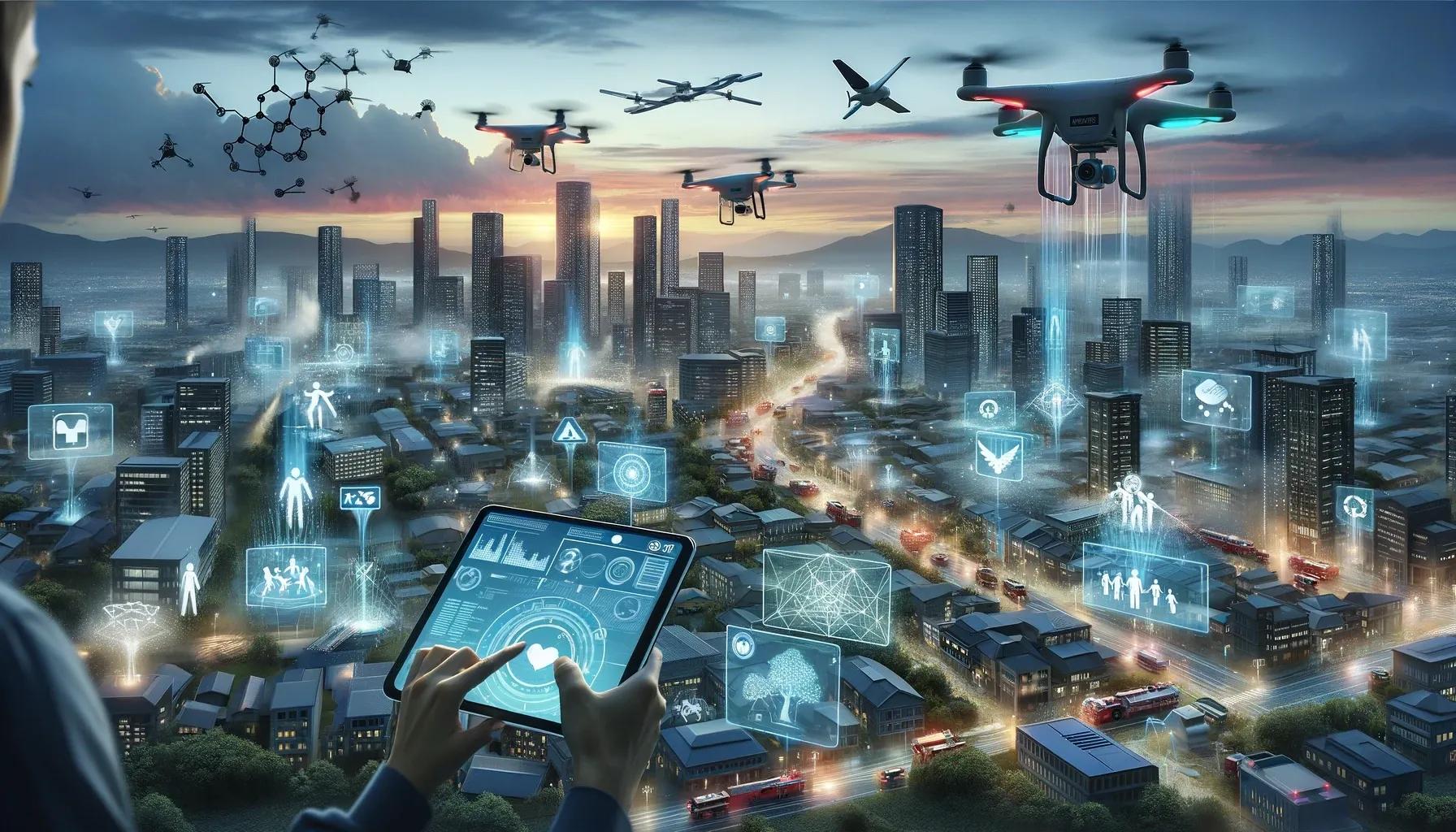
In the face of increasing natural disasters and urban emergencies, the need for innovative and efficient response mechanisms has never been more critical. Smart Emergency Response Systems (SERS) represent a pivotal advancement in leveraging technology to enhance the speed and efficacy of responses to emergencies and disasters. This article delves into the essence of Smart Emergency Response Systems, exploring their components, benefits, and real-world applications, thereby illustrating their significance in modern disaster response efforts.
Introduction to Smart Emergency Response Systems
Smart Emergency Response Systems integrate advanced technologies such as artificial intelligence (AI), geospatial analytics, the Internet of Things (IoT), and big data analytics to create a cohesive and responsive network that can act swiftly in the wake of a disaster. These systems are designed to improve the coordination and effectiveness of emergency services, ensuring timely aid and minimizing the impact of disasters on human life and property.
Core Components of Smart Emergency Response Systems
Geospatial Analytics : Utilizes Geographic Information System (GIS) technologies to analyze and visualize critical data related to disaster zones. This facilitates precise decision-making and strategic planning for evacuation and rescue operations.
Artificial Intelligence and Machine Learning : AI algorithms predict disaster patterns and outcomes, enhancing preparedness and allowing for proactive measures. Machine learning models improve over time, learning from past events to optimize response strategies.
The Internet of Things (IoT) : IoT devices gather real-time data from the environment, including weather conditions, the structural integrity of buildings, and the movement of people. This information is critical for dynamic and informed response planning.
Big Data Analytics : Manages and analyzes vast amounts of data generated during disasters. This analysis provides insights into effective resource allocation, impact assessment, and recovery planning.
Communication Technologies : Ensure uninterrupted and reliable communication channels among first responders, emergency management teams, and the affected populace. This includes the use of social media, mobile applications, and satellite communications.
Benefits of Smart Emergency Response Systems
Enhanced Coordination and Efficiency : By integrating diverse data sources and technologies, SERS facilitates better coordination among emergency response teams, leading to more efficient rescue and relief operations.
Proactive Disaster Management : The predictive capabilities of AI allow for the anticipation of disasters, enabling preemptive actions that can save lives and reduce economic losses.
Real-time Data Utilization : The immediate availability of data from IoT devices and other sources enables dynamic decision-making, allowing for adjustments to be made as situations evolve.
Improved Resource Management : Analytics-driven insights assist in the optimal allocation of resources, ensuring that aid is directed where it is most needed, without wastage.
Increased Public Safety : By providing accurate, real-time information to the public, SERS empowers individuals to make informed decisions during emergencies, enhancing overall safety.
Real-world Applications
Earthquake Response : In earthquake-prone regions, SERS can detect seismic activity in real-time, automatically triggering alarms and initiating evacuation procedures. Post-disaster, drones equipped with cameras and sensors can assess damage and guide rescue efforts.
Flood Management : Through the analysis of weather data and river levels, SERS can forecast flooding events, enabling early warnings and the pre-positioning of emergency supplies. Real-time water level monitoring helps in the dynamic management of flood defenses.
Urban Firefighting : In the event of a fire in densely populated urban areas, SERS can track the spread of the fire using sensors, guide firefighting efforts, and manage evacuations effectively, all while ensuring the safety of emergency personnel.
Pandemic Tracking and Management : During health crises such as pandemics, SERS can play a crucial role in tracking disease spread, managing quarantine areas, and allocating medical resources efficiently, thereby controlling the outbreak more effectively.
Challenges and Future Directions
While the potential of Smart Emergency Response Systems is immense, their implementation is not without challenges. Issues such as data privacy, the digital divide, and the need for interoperability among various technologies must be addressed. Furthermore, the success of SERS depends on robust infrastructure, continuous innovation, and comprehensive training for emergency personnel.
Looking ahead, the integration of more advanced technologies, such as quantum computing and next-generation AI, promises to enhance the capabilities of SERS even further. Collaboration between governments, technology providers, and international organizations will be key to realizing the full potential of these systems in making our world safer.
In conclusion, Smart Emergency Response Systems represent a revolutionary step in disaster management, offering unprecedented capabilities in terms of speed, efficiency, and effectiveness of response. By harnessing the power of technology, SERS enables a more proactive, informed, and coordinated approach to emergencies, significantly mitigating their impact on society. As we continue to innovate and integrate new technologies into these systems, the future of disaster response looks increasingly resilient and prepared to face the challenges of an unpredictable world.