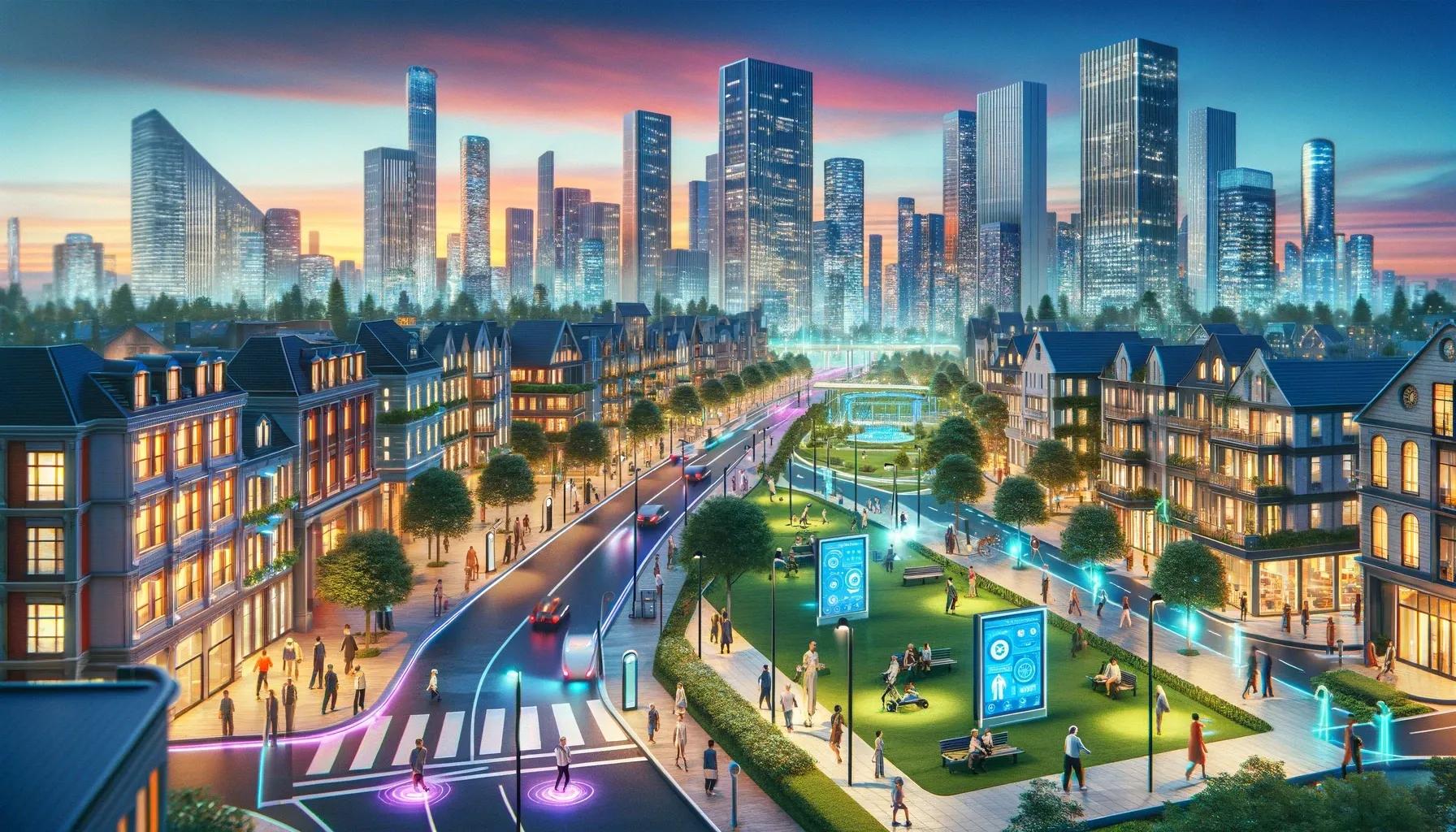
In the face of rapidly aging populations, cities worldwide are at a pivotal juncture to reimagine urban living through the lens of inclusivity, accessibility, and sustainability. This demographic shift, characterized by an increasing percentage of seniors, demands a holistic approach to urban planning and development. Smart cities, leveraging cutting-edge technologies, emerge as beacons of hope in this context, promising to redefine the urban experience for the elderly. This article delves into the intersection of smart city initiatives and the needs of aging populations, exploring how technology can be tailored to create senior-friendly urban environments.
Understanding the Challenge
The global demographic landscape is undergoing a significant transformation, with the proportion of individuals aged 65 and older expected to double by 2050. This aging trend presents a unique set of challenges and opportunities for urban planners and policymakers. The primary goal is to ensure that cities not only accommodate but also empower their aging residents, enabling them to lead fulfilling, independent, and active lives.
The Role of Smart Cities
Smart cities harness information and communication technologies (ICT) to improve the quality of life for their inhabitants, optimize urban services, and ensure environmental sustainability. In the context of aging populations, smart cities offer innovative solutions to enhance mobility, healthcare, social inclusion, and safety for seniors.
Enhancing Mobility and Accessibility
Mobility and accessibility are crucial for the autonomy and well-being of senior citizens. Smart cities can revolutionize urban transportation systems to be more inclusive and accessible. Features such as real-time public transit updates, accessible route planning, and on-demand transportation services can significantly reduce mobility barriers. Furthermore, the deployment of autonomous vehicles and the creation of pedestrian-friendly smart infrastructure can further facilitate safe and independent movement within the city.
Innovative Healthcare Solutions
Smart healthcare systems are at the heart of making cities more livable for the elderly. Telemedicine, remote monitoring, and wearable health devices enable seniors to manage their health proactively, with continuous support from healthcare professionals. This technological ecosystem not only enhances the efficiency of healthcare delivery but also ensures timely intervention, potentially preventing emergency situations.
Promoting Social Inclusion and Engagement
Isolation and loneliness are significant concerns among the elderly. Smart cities can mitigate these issues by leveraging technology to foster social connections and community engagement. Digital platforms and social networking sites tailored for seniors can facilitate interaction with peers, family, and social services. Moreover, smart community centers equipped with technology-driven educational and recreational activities can serve as hubs for socializing and learning, enhancing the quality of life.
Ensuring Safety and Security
The safety and security of senior citizens are paramount in smart city planning. Advanced surveillance systems, emergency response technologies, and smart home solutions can significantly contribute to the sense of security among the elderly. For instance, IoT-enabled devices in homes can detect falls or unusual activity, triggering alerts to emergency services and family members. Similarly, smart lighting and navigation aids in public spaces can enhance safety at night.
Policy and Regulatory Frameworks
The realization of senior-friendly smart cities requires robust policy and regulatory frameworks. Policymakers must prioritize inclusivity and accessibility in urban development projects, ensuring that technologies are designed with the needs of the elderly in mind. Collaboration among the government, private sector, academia, and civil society is crucial to driving innovation and implementing effective solutions.
Challenges and Considerations
While the potential of smart cities to enhance the lives of aging populations is immense, there are challenges to be addressed. These include digital literacy among the elderly, data privacy and security concerns, and the digital divide. Tailored education programs, stringent data protection laws, and initiatives to increase technology accessibility are essential to overcome these hurdles.
Case Studies of Success
Several cities globally have made significant strides in becoming more senior-friendly through smart technologies. Examples include Singapore’s Smart Nation initiative, which focuses on smart health and mobility solutions for seniors, and Barcelona’s smart city projects that prioritize accessibility and social inclusion, while Indian cities prioritize the Integrated Command and Control Centre (ICCC), smart poles and intelligent street lighting, telemedicine services, and smart health centers. These examples serve as inspiration and proof of concept for other urban centers aiming to adapt to the needs of their aging residents.
In conclusion, smart cities offer a promising avenue to address the multifaceted needs of aging populations. By integrating technology into urban planning and services, cities can become more accessible, inclusive, and supportive environments for seniors. However, the success of these initiatives hinges on a human-centric approach to technology adoption, ensuring that innovations are accessible, user-friendly, and tailored to the needs of the elderly. As cities continue to evolve in response to demographic shifts, the focus must remain on creating spaces where aging populations can thrive, contributing to the social, economic, and cultural fabric of urban life. Through collaborative efforts and a commitment to innovation, we can pave the way for a future where smart cities cater to the needs of all citizens, regardless of age, ensuring a high quality of life for generations to come.