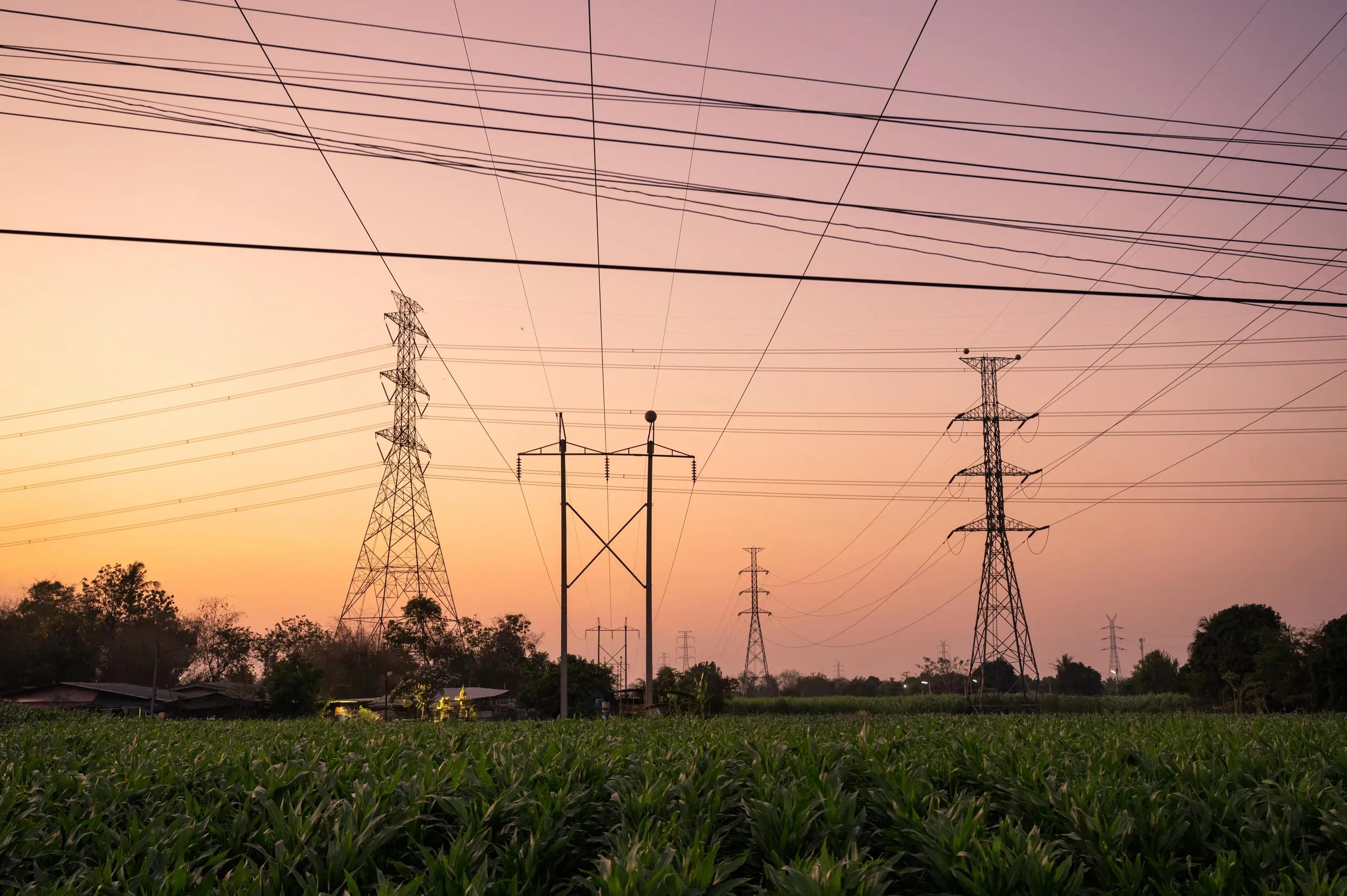
In today’s world, staying connected and keeping the power running smoothly is more important than ever. Utility companies face many challenges in maintaining a reliable power grid. Weather events, overgrown vegetation, and aging infrastructure can all lead to outages that disrupt everyday life. To address these issues, many companies are turning to modern technology, specifically satellites and drones, to monitor their networks from above. This approach, known as Earth Observation (EO), is proving to be a game changer for grid management. In this article, we will explore how EO is used to prevent outages and what this means for the future of our power infrastructure.
Understanding Earth Observation (EO)
Earth Observation involves collecting information about the planet from a distance, primarily using satellites. These satellites capture high-resolution images of the earth’s surface, which can then be analyzed to understand what is happening on the ground. In simple terms, EO is like having a giant set of eyes in the sky. This technology is not new, but recent improvements in image quality and data analysis have made EO an essential tool for monitoring critical infrastructure.
EO has become even more powerful when combined with data from drones and IoT (Internet of Things) sensors placed on the ground. While satellites provide a big-picture view, drones can zoom in on specific areas for a closer look, and IoT sensors offer real-time information about conditions like temperature, vibration, or power flow. Together, these technologies give utility companies a comprehensive view of their grid’s health, making it easier to spot problems before they turn into outages.
How Satellites and Drones Monitor Critical Infrastructure
Utility companies manage extensive networks that include power lines, pipelines, substations, and other critical infrastructure. Traditionally, monitoring these systems involved routine physical inspections. However, these inspections are time-consuming, expensive, and can sometimes miss emerging issues.
Satellites provide a solution to these problems by continuously capturing images over large areas. With high-resolution cameras, satellites can detect subtle changes in the landscape. For example, they can show where trees or other vegetation are creeping too close to power lines. Even a small encroachment can lead to a power outage if the vegetation eventually contacts the lines. Satellites can also capture the aftermath of severe weather events, allowing companies to quickly assess any damage that might have occurred.
Drones complement satellites by offering more flexibility. They can be deployed to fly over areas that appear suspicious or need further investigation. Drones can collect detailed images and even record videos that reveal issues like damaged equipment, corrosion, or other signs of wear and tear. The quick turnaround time of drone data means that any problems identified by satellites can be checked almost immediately.
High-Resolution Imagery: The Key to Early Detection
One of the biggest advantages of using satellites for grid management is the availability of high-resolution imagery. These detailed pictures allow engineers and technicians to see the smallest changes. For instance, they can notice if a storm has caused minor damage to power lines or if a branch has started to lean dangerously close to an overhead cable.
Early detection is critical in preventing outages. If a potential issue is spotted early, maintenance crews can be dispatched to fix it before it becomes a major problem. This proactive approach not only prevents outages but also saves money. Repairing equipment before it fails is typically much less expensive than fixing a full-scale outage, which can also lead to lost revenue and customer dissatisfaction.
Integrating EO Data with IoT Sensors
While high-resolution satellite imagery provides a broad view of the infrastructure, it is not enough on its own to ensure grid reliability. This is where IoT sensors come in. These sensors are placed directly on critical components of the grid. They monitor various parameters like temperature, electrical current, vibration, and other signs that equipment might be failing.
When EO data from satellites and drones is combined with real-time information from IoT sensors, utility companies get a detailed picture of the grid’s health. For example, if a sensor on a power line detects an abnormal increase in temperature, it can trigger a closer look by analyzing the latest satellite imagery. The combined data can quickly confirm if the issue is due to overheating equipment or external factors like a storm, allowing for a faster, more accurate response.
This fusion of technologies leads to smarter grid management. Instead of waiting for a complete failure or an outage, operators can fix small issues as soon as they are detected. This not only reduces downtime but also extends the life of critical infrastructure, making the entire system more resilient.
The Benefits of Proactive Maintenance
Adopting EO and IoT technology for grid management has several important benefits:
Improved Reliability: Continuous monitoring means that potential problems are detected early. This minimizes the risk of unexpected outages, keeping the power grid stable and reliable for everyone.
Cost Savings: Repairing equipment before it fails is much cheaper than dealing with a full-blown outage. Proactive maintenance helps utility companies avoid expensive emergency repairs and reduce downtime.
Increased Safety: Early detection of issues such as damaged power lines or failing equipment can help prevent accidents. This ensures the safety of workers and the general public.
Efficient Resource Allocation: With detailed data at hand, maintenance crews can be deployed exactly where they are needed. This targeted approach means that resources are used more effectively, reducing waste and improving operational efficiency.
Overcoming Challenges
Despite the many advantages, integrating EO data with existing grid management practices does come with challenges. One of the main hurdles is the sheer volume of data that satellites generate. Managing and analyzing this data requires advanced software and skilled technicians who understand both the technology and the specific needs of the power grid.
Another challenge is ensuring that the different technologies work seamlessly together. Satellites, drones, and IoT sensors all produce data in different formats and at different times. Bringing this information together into a single, coherent system is not always easy. However, advancements in data processing and artificial intelligence are making it increasingly possible to integrate these disparate data sources, providing a unified view of grid health.
The Future of Grid Management
The use of EO in grid management is still evolving. As technology advances, we can expect even higher resolution imagery and more sophisticated IoT sensors. Future systems may use artificial intelligence to automatically detect issues and predict potential failures before they occur. This predictive maintenance approach could further reduce outages and lower maintenance costs.
Additionally, as more utility companies adopt these technologies, the data they collect could be used to improve overall grid design. By analyzing patterns and trends, engineers may discover new ways to build more resilient and efficient systems. This would not only benefit individual utility companies but also contribute to a more stable and sustainable power grid worldwide.
Conclusion
Satellite-based EO is revolutionizing the way utility companies manage their grids. By providing a bird’s-eye view of critical infrastructure, satellites and drones can spot potential issues long before they cause outages. When combined with real-time IoT sensor data, this technology creates a powerful tool for proactive maintenance. Utility companies can fix problems early, reduce repair costs, and ultimately keep the lights on for their customers.
As EO and IoT technologies continue to improve, the future of grid management looks brighter than ever. The smart grid of tomorrow will be more reliable, efficient, and resilient, benefiting not only utility companies but also the communities they serve. By embracing these innovative tools, the power industry is taking a significant step forward in ensuring that our modern way of life continues uninterrupted.
In a world where reliable power is critical to everyday life, satellite eyes on the grid offer a clear path toward a more secure and efficient future. Whether it’s spotting overgrown vegetation, detecting storm damage, or monitoring equipment health, EO technology is making our power grids smarter and more responsive. As this technology evolves, it promises to deliver even greater benefits, ensuring that outages become a thing of the past and our modern society continues to thrive.