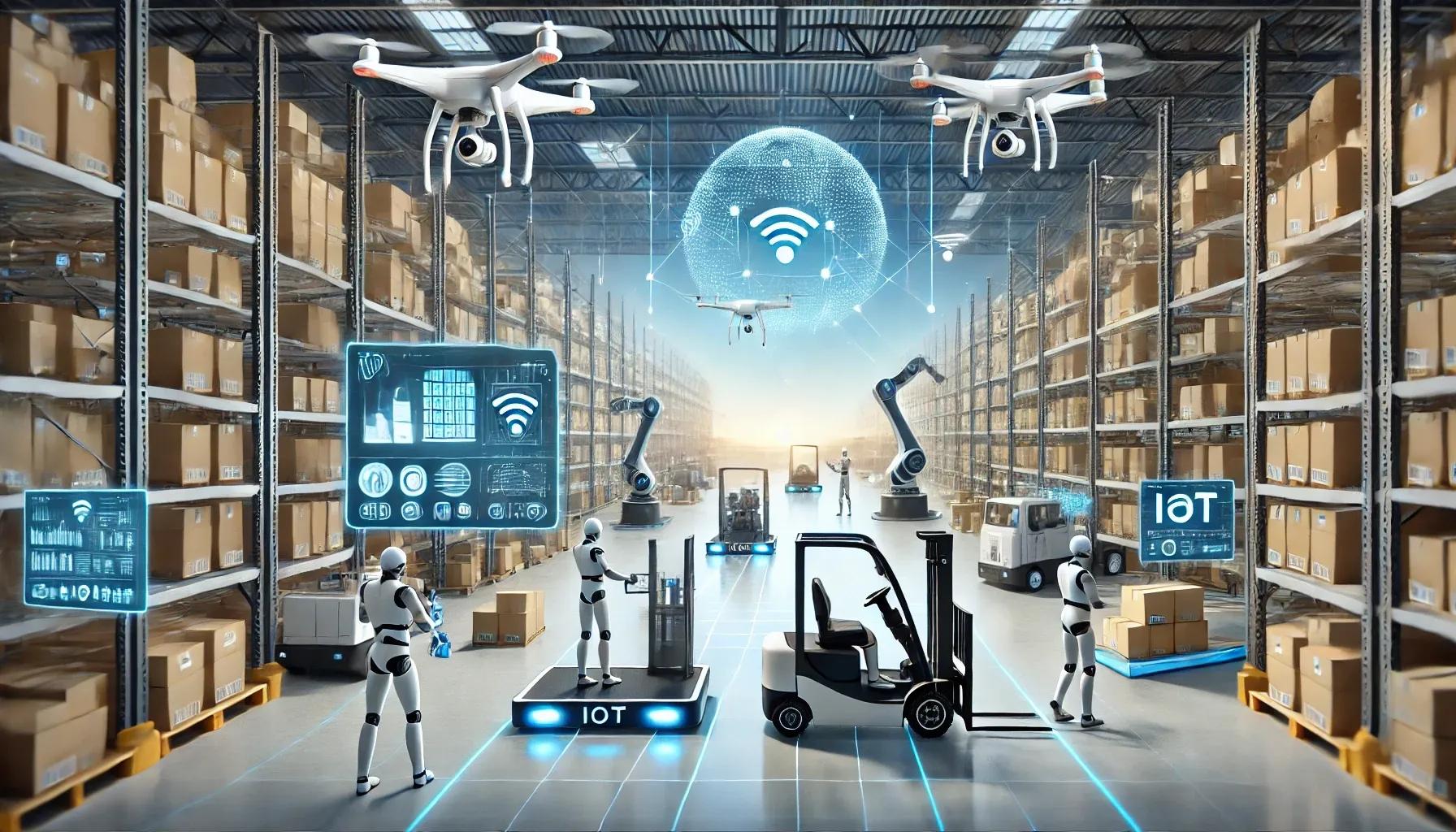
The warehousing industry is undergoing a transformative shift driven by the rapid expansion of e-commerce and evolving consumer demands. This transformation is necessitated by various challenges such as space constraints, inefficient stock organization, inventory management issues, and labor shortages. The integration of advanced technologies like robotics, IoT, and Digital Twins offers a promising solution to these challenges. This article delves into the role of robotics and associated technologies in shaping the future of warehousing, providing a comprehensive understanding of their benefits and implications.
The Growth of E-commerce and its Impact on Warehousing
The exponential growth of e-commerce, particularly accelerated by the COVID-19 pandemic, has significantly impacted the warehousing sector. This surge in online shopping has led to an increased need for efficient and scalable warehousing solutions. Traditional warehousing methods are often insufficient to meet the high demand for speed and accuracy in order fulfillment. Consequently, the adoption of robotics and automation technologies has become a critical strategy for modern warehouses.
Challenges in Traditional Warehousing
Traditional warehousing faces several challenges that impede operational efficiency. Space constraints are a primary concern, as the increased volume of goods necessitates better space utilization. Inefficient stock organization and inventory management further exacerbate these issues, leading to delays and errors in order fulfillment. Additionally, the warehousing industry is grappling with labor shortages, making it difficult to maintain the necessary workforce to manage these growing demands.
Robotics in Warehousing: A Solution to Modern Challenges
The introduction of robotics in warehousing addresses many of these challenges, offering significant improvements in efficiency, accuracy, and cost reduction.
1. Drones for Inventory Management and Surveillance: Drones are increasingly used for inventory management and surveillance within warehouses. These unmanned aerial vehicles (UAVs) can navigate through warehouse aisles, scanning and recording inventory data with high accuracy. This capability reduces the time and labor required for manual inventory checks and improves overall inventory accuracy.
2. Mobile Robots (AGVs and AMRs): Automated Guided Vehicles (AGVs) and Autonomous Mobile Robots (AMRs) are transforming material handling processes. AGVs follow predefined paths to transport goods within the warehouse, while AMRs are equipped with advanced navigation systems that allow them to move freely and adapt to changes in the environment. These robots enhance the efficiency of goods movement, reduce human error, and improve safety by minimizing the risk of accidents.
3. Collaborative Robots (Cobots): Collaborative robots, or cobots, are designed to work alongside human workers, assisting with repetitive and physically demanding tasks. Cobots can handle tasks such as picking, packing, and sorting, allowing human workers to focus on more complex and strategic activities. This collaboration not only increases productivity but also helps in mitigating the impact of labor shortages.
The Integration of IoT and Digital Twin Technologies
1. IoT for Enhanced Data Management: The Internet of Things (IoT) plays a pivotal role in modern warehousing by enabling real-time data collection and management. IoT devices, such as sensors and RFID tags, provide continuous monitoring of inventory levels, environmental conditions, and equipment status. This data is crucial for optimizing warehouse operations, reducing downtime, and ensuring the timely replenishment of stock.
2. Digital Twins for Optimized Warehouse Management: Digital Twin technology involves creating a virtual replica of a physical warehouse, which can be used for simulation and analysis. By integrating data from IoT devices, Digital Twins provides a comprehensive view of warehouse operations, allowing managers to identify inefficiencies and predict maintenance needs. This technology enables proactive decision-making, improving overall operational efficiency and reducing costs.
Benefits of Robotics and Advanced Technologies in Warehousing
The integration of robotics, IoT, and Digital Twins in warehousing offers numerous benefits that enhance operational efficiency and competitiveness.
1. Increased Efficiency and Productivity: Robotic systems automate repetitive and time-consuming tasks, significantly increasing the speed and accuracy of warehouse operations. This automation leads to higher productivity and enables warehouses to handle larger volumes of goods with fewer resources.
2. Cost Reduction: Automation reduces the reliance on manual labor, resulting in lower operational costs. The initial investment in robotics and automation technologies is offset by long-term savings in labor costs, reduced errors, and increased throughput.
3. Improved Accuracy and Safety: Robotic systems and IoT devices enhance the accuracy of inventory management and order fulfillment, reducing the risk of errors. Additionally, the use of robots for physically demanding tasks minimizes the risk of workplace injuries, creating a safer working environment.
4. Enhanced Environmental Sustainability: Automation technologies contribute to environmental sustainability by optimizing energy use and reducing waste. For example, robots can be programmed to minimize energy consumption during idle periods, and IoT devices can monitor and control environmental conditions to reduce energy usage.
5. Better Data Collection and Analysis: IoT devices and Digital Twins provide valuable data that can be used for continuous improvement. This data-driven approach enables warehouses to optimize their operations, predict maintenance needs, and make informed decisions to enhance efficiency.
The Impact on Workforce and Job Creation
The integration of robotics and advanced technologies in warehousing has raised concerns about the potential displacement of workers. While it is true that automation can reduce the need for certain manual tasks, it also creates opportunities for upskilling and new job creation. Workers can be trained to operate and maintain robotic systems, and new roles such as data analysts and IoT specialists are emerging. The focus should be on providing training and support to help workers transition to these new roles, ensuring that the benefits of automation are shared across the workforce.
In conclusion, the role of robotics, IoT, and Digital Twin technologies in warehousing is transformative, addressing the challenges of traditional warehousing and paving the way for more efficient, accurate, and sustainable operations. As the warehousing industry continues to evolve, the adoption of these advanced technologies will be crucial for maintaining competitiveness and meeting the growing demands of the digital economy. By embracing automation and investing in workforce development, warehouses can unlock new levels of productivity and innovation, securing their place in the future of logistics.
For more insights, you can explore the full summary here .