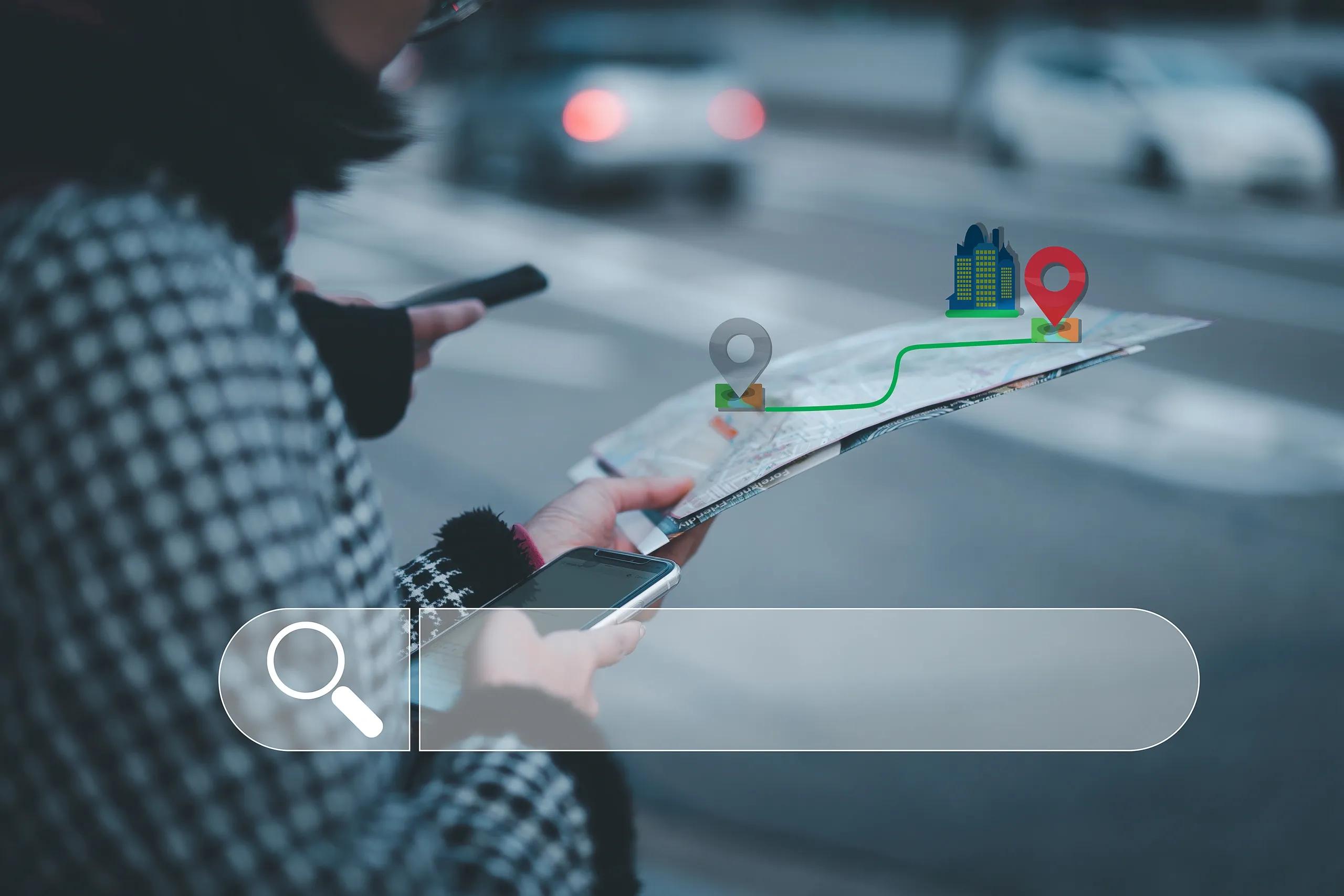
In the era of data-driven decision-making, organizations are continuously seeking innovative solutions to optimize their operations and enhance competitiveness. One such solution gaining significant traction is location intelligence (LI), a powerful integration of geospatial data and business analytics that provides critical insights for a variety of industries. This article explores the rising demand for location intelligence, its multifaceted applications, and the benefits it brings to sectors such as retail, transportation, urban planning, and beyond.
Understanding Location Intelligence
Location intelligence refers to the process of deriving meaningful insights from geospatial data by combining it with traditional business intelligence tools. It encompasses the collection, analysis, and visualization of spatial data to understand relationships, patterns, and trends that would otherwise remain hidden. By leveraging LI, organizations can make better-informed decisions, optimize resources, and improve overall operational efficiency.
The growth of technologies such as Geographic Information Systems (GIS), remote sensing, and real-time data collection through IoT devices has accelerated the adoption of LI. The integration of these technologies allows businesses to harness the power of spatial data in unprecedented ways, making complex decision-making processes more data-centric and accurate.
Key Drivers Behind the Rising Demand for Location Intelligence
Several factors are contributing to the surging demand for location intelligence:
Increased Access to Geospatial Data : The proliferation of data from satellites, drones, GPS-enabled devices, and IoT sensors has enriched the availability of geospatial information. This vast amount of location-based data can be processed and analyzed with advanced geospatial tools, enabling organizations to unlock deeper insights.
Advancements in Data Analytics and AI : Artificial intelligence (AI) and machine learning (ML) have revolutionized the way spatial data is processed. These technologies enable predictive analytics, pattern recognition, and real-time data processing, which amplify the capabilities of location intelligence. The combination of AI with geospatial data empowers industries to forecast trends, predict outcomes, and create sophisticated models for improved decision-making.
Enhanced Visualization Techniques : Modern visualization tools make it easier to interpret complex spatial data. Interactive maps, heatmaps, and 3D modeling offer intuitive ways for decision-makers to explore data insights, identify patterns, and communicate findings effectively to stakeholders. These capabilities are critical in industries where geographical context is vital for operational success.
Applications of Location Intelligence Across Industries
The versatility of location intelligence enables its application across a wide array of sectors. Here are some of the most impactful uses:
1. Retail
In the retail industry, location intelligence is leveraged for strategic decision-making, including site selection, customer behavior analysis, and supply chain optimization. By understanding customer demographics, foot traffic patterns, and competitive landscapes, retailers can make data-driven decisions to maximize sales and enhance customer experiences.
For example, geospatial data helps identify prime locations for new store openings by analyzing variables such as population density, proximity to competitors, and accessibility. Additionally, retailers can use LI to personalize marketing campaigns by aligning promotional efforts with regional preferences and behaviors.
2. Transportation and Logistics
The transportation and logistics sector has been transformed by location intelligence. Route optimization, fleet management, and last-mile delivery are areas where LI plays a critical role. By incorporating real-time traffic data, road conditions, and historical travel patterns, logistics companies can plan efficient routes that reduce fuel consumption and improve delivery times.
Moreover, predictive analytics based on location data can help anticipate potential disruptions, such as adverse weather conditions or construction activities, enabling proactive adjustments to logistics plans. This not only enhances operational efficiency but also boosts customer satisfaction by ensuring timely deliveries.
3. Urban Planning and Smart Cities
Urban planners and government agencies increasingly rely on location intelligence for sustainable development and the creation of smart cities. LI assists in analyzing infrastructure needs, traffic congestion, zoning, and population growth trends. This data-driven approach facilitates informed decision-making that promotes the efficient allocation of resources and improves the quality of urban life.
For instance, LI can identify areas prone to traffic bottlenecks and suggest infrastructure improvements. It also helps in emergency response planning by mapping critical zones that require immediate attention during natural disasters or crises. The integration of geospatial data into urban planning tools supports the development of resilient and adaptable cities.
4. Healthcare
Location intelligence is becoming increasingly valuable in the healthcare sector, especially for public health initiatives and resource allocation. During the COVID-19 pandemic, LI was employed to track the spread of the virus, manage healthcare resources, and coordinate vaccine distribution efforts.
Beyond pandemic response, LI supports healthcare providers in optimizing site selection for new facilities, analyzing patient demographics, and improving outreach programs by identifying underserved regions.
Benefits of Integrating Location Intelligence
The adoption of location intelligence brings numerous advantages that drive its rising demand:
Improved Decision-Making : By visualizing data with a geographical context, decision-makers can gain a comprehensive understanding of scenarios and make informed choices. This spatial perspective allows organizations to identify trends and correlations that may not be evident through traditional data analysis.
Enhanced Operational Efficiency : LI streamlines operations by optimizing workflows and resource management. For instance, logistics companies benefit from route optimization, while urban planners achieve more efficient land use and infrastructure development.
Competitive Advantage : Businesses that leverage LI can gain a strategic edge by uncovering new market opportunities and refining their strategies based on accurate, location-based insights. Whether for market expansion or customer engagement, LI provides the intelligence needed to stay ahead of competitors.
Risk Mitigation : Location intelligence helps organizations anticipate and mitigate risks associated with environmental challenges, economic shifts, and supply chain disruptions. For example, predictive analytics can identify flood-prone areas or regions vulnerable to other natural disasters, enabling better contingency planning.
Future Outlook of Location Intelligence
The demand for location intelligence is set to grow as advancements in AI, machine learning, and IoT continue to push the boundaries of what is possible. Emerging trends such as the use of digital twins—virtual representations of physical assets—and real-time geospatial analytics will further embed LI in various industry processes.
Organizations that embrace these technologies will be better positioned to respond to dynamic market demands, optimize their operations, and create value through data-driven strategies. The integration of LI will become a standard practice, transforming how industries approach problem-solving and strategic planning.
In conclusion, the rising demand for location intelligence highlights its transformative potential across sectors. By combining geospatial data with business analytics, organizations can unlock new levels of operational efficiency, strategic insight, and risk management. As technological advancements continue to enhance the capabilities of location intelligence, its role in shaping the future of business and urban development will only grow more pronounced.