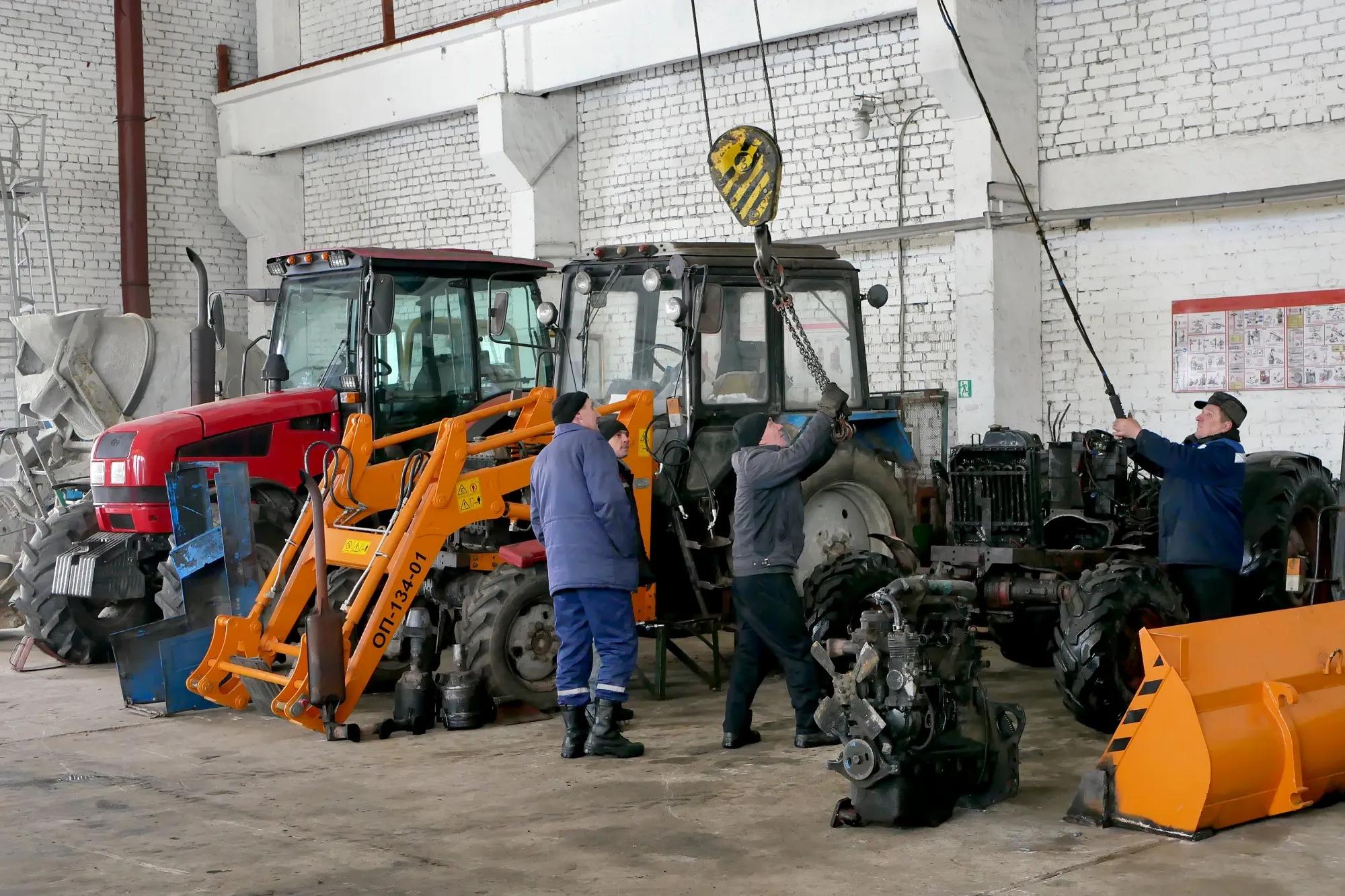
Machinery, spanning industrial equipment, construction tools, agricultural machines, and factory systems, is essential to global production. However, traditional machinery lifecycle models have followed a linear approach: manufacture, operate, service reactively, and dispose at end-of-life. This method leads to significant resource waste, unplanned downtime, and cost inefficiencies.
As industries transition toward more sustainable and resilient operations, circular economy models are gaining momentum. At the core of circularity in machinery is servicing, specifically enabled through Artificial Intelligence (AI) and the Internet of Things (IoT). This article explains how AI and IoT are reshaping machinery servicing to extend asset lifespans, reduce waste, and support new circular business models.
The Shift Toward Circular Servicing
Circular servicing is a maintenance and lifecycle approach where machinery is continuously monitored, optimized, and renewed to reduce the need for total replacement. Instead of waiting for breakdowns, organizations now aim to:
Predict failures before they happen
Minimize the use of spare parts
Reuse components and refurbish systems
Recover data on usage to inform better design and deployment
AI and IoT provide the technological foundation to make this approach feasible at scale.
Role of IoT in Circular Machinery
The Internet of Things (IoT) refers to the network of physical devices embedded with sensors, software, and connectivity to collect and exchange data. In machinery, IoT plays a critical role across several stages of the lifecycle:
1. Real-Time Condition Monitoring
IoT sensors can capture key operational parameters such as:
Vibration levels
Temperature and pressure
Power consumption
Runtime and load
Environmental exposure
These readings are transmitted to centralized platforms for real-time monitoring, enabling asset managers to detect anomalies and degradation trends.
2. Usage-Based Servicing
Instead of using fixed maintenance schedules, IoT data allows organizations to adopt usage-based or predictive maintenance. For example:
A motor may need bearing replacement after 10,000 operating hours, not every 12 months.
A construction excavator’s hydraulic system might show wear after usage in extreme temperature zones, triggering early intervention.
This approach avoids unnecessary part replacements and extends component lifespans.
3. Remote Diagnostics and Support
IoT-connected machinery allows manufacturers or service providers to access diagnostics remotely, reducing the need for onsite technicians. This supports faster issue resolution, fewer service trips, and reduced emissions.
Role of AI in Predictive and Prescriptive Maintenance
Artificial Intelligence complements IoT by making sense of vast sensor data streams. AI models, including machine learning algorithms, enable more accurate and scalable predictions.
1. Failure Prediction
AI algorithms trained on historical failure data can identify patterns that precede breakdowns. These may include minor vibrations, unusual load profiles, or temperature drifts.
For example, in CNC machines, AI can detect subtle tool wear before it affects production quality, allowing proactive replacement.
2. Anomaly Detection
AI models can spot subtle deviations from normal behavior, even in complex systems. These anomalies may not trigger standard alarms but can indicate early-stage issues.
This reduces false positives and helps focus maintenance resources only where needed.
3. Optimized Maintenance Scheduling
AI can evaluate multiple variables, equipment availability, part inventory, technician workload, and recommend the most efficient maintenance schedule. This is especially valuable for large-scale industrial operations.
Circular Business Models Enabled by AI + IoT Servicing
The integration of AI and IoT into machinery servicing enables several circular business models that go beyond traditional product sales.
1. Product-as-a-Service (PaaS)
Manufacturers can offer machinery as a service, charging based on usage (e.g., per hour, per unit produced). AI and IoT monitor usage, uptime, and condition, ensuring the provider can maintain performance guarantees.
This shifts the focus from selling more machines to maintaining better ones, a key driver of circularity.
2. Refurbishment and Reuse
With full visibility into the usage and wear history of each machine or part, companies can confidently refurbish and redeploy equipment instead of scrapping it. IoT and AI provide:
Verified usage records
Component condition reports
Lifecycle traceability
This increases trust in refurbished products and opens up secondary markets.
3. Remanufacturing Optimization
For components like motors, pumps, or electronics, AI-driven servicing history can guide remanufacturing strategies:
Prioritize parts for disassembly
Estimate remaining life
Automate sorting and quality checks
This reduces costs and increases the efficiency of the remanufacturing process.
Case Example: Agricultural Equipment Manufacturer
An agricultural machinery company deploys IoT sensors across tractors and harvesters. The sensors track:
Engine hours
Soil contact pressure
Climate conditions
Maintenance activities
AI models predict service needs during idle periods, reducing disruption during the harvest season. When machines are returned at the end of a leasing cycle, data-driven assessments determine which parts can be reused, refurbished, or recycled.
The company offers machinery-as-a-service to cooperatives, shifting from unit sales to performance-based contracts. Circular servicing ensures longer equipment life, fewer raw materials, and increased revenue per asset.
Benefits of Circular Servicing with AI and IoT
Benefit: Description
Extended Asset Lifespan: Predictive maintenance reduces premature failure
Reduced Material Waste: Fewer spare parts and discarded components
Lower Operating Costs: Optimized servicing reduces labor, parts, and downtime
New Revenue Models: Enables subscription or usage-based offerings
Data-Driven Design: Usage insights inform more durable and modular designs
Regulatory Compliance: Easier traceability for safety and environmental reporting
Challenges to Overcome
While the value is clear, several challenges remain:
Data Integration : Merging data from diverse machines and vendors into unified platforms.
Cybersecurity : Protecting connected machinery from unauthorized access or tampering.
Skills Gap : Training technicians to use AI insights and sensor diagnostics.
Upfront Costs : Investing in sensors, connectivity, and AI infrastructure.
However, these are surmountable with pilot programs, cloud-based platforms, and cross-industry collaboration.
Enabling Infrastructure for Implementation
To support circular servicing, organizations must invest in:
IoT Platforms : Scalable systems to manage data from thousands of devices.
AI Engines : Tools that support predictive analytics and machine learning models.
Digital Twins : Virtual replicas of machinery that simulate wear and service conditions.
Edge Computing : On-device processing for remote or latency-sensitive environments.
These technologies together form the backbone of a smart, circular-ready machinery ecosystem.
Conclusion
Circular servicing is not just a maintenance improvement, it is a business model shift enabled by AI and IoT. For machinery manufacturers and operators, adopting smart servicing strategies offers a path to reduce waste, improve efficiency, and create sustainable value.
As industries move away from “build-sell-discard” models, AI- and IoT-enabled servicing will define how machinery is designed, used, and renewed. Organizations that embrace this shift will be better positioned to compete in a future where performance, not possession, drives profitability, and where sustainability and operational excellence go hand in hand.