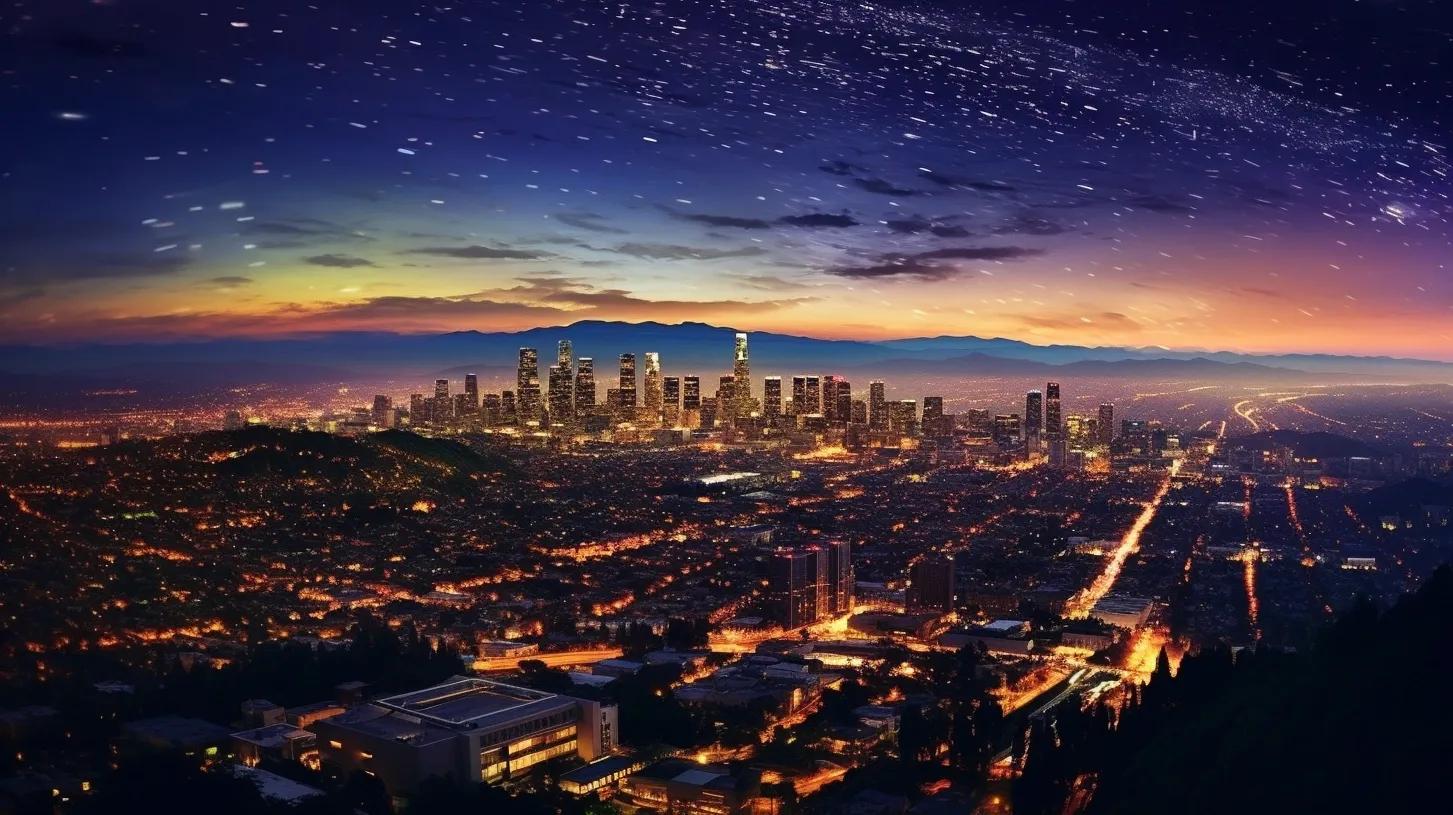
In the quiet moments, as I gaze at the glittering skyline of our cities or walk through bustling streets filled with wonders of modern technology, I can't help but reflect on how deeply emerging technologies have transformed the landscape of urban development. Over the past decade, our cities have witnessed unprecedented changes, sculpted and reshaped by the hands of technology.
1. Smart Infrastructure and the Rise of Connected Cities
If the 20th century was about skyscrapers and expansive highways, the 21st is indisputably about smart infrastructure. Today's cities boast of IoT sensors embedded into roads, bridges, and public utilities. These devices collect vast amounts of data, offering insights into traffic patterns, structural health, and public service utilization. As a result, we're not just building, but also constantly optimizing.
Reflecting on the early days of urban planning, one realizes how much we used to operate on assumptions. Today, decision-making is more data-driven than ever, making cities more efficient and sustainable. The concept of the 'connected city' is no longer a mere sci-fi trope, but a tangible reality.
2. Sustainable Solutions and Green Technology
There was a time when urbanization came at the expense of the environment. High-rise buildings, packed roads, and air pollution seemed like the inevitable cost of progress. However, the introduction of green technology in construction materials, energy production, and waste management has started to challenge this bleak vision.
Solar panels integrated into building designs, wind turbines peeking from city outskirts, and rainwater harvesting systems are becoming mainstream. Our cities are learning to harness nature, rather than combat it. It's heartening to realize that as a society, we're evolving to prioritize long-term sustainability over short-term gains.
3. The Digital Transformation of Public Services
How often do we reminisce about standing in long queues for basic public services or the tedious process of documentation at government offices? Today, thanks to digital platforms and mobile applications, services like bill payments, documentation renewals, and even grievance redressals have moved online.
This digital transformation has not just brought convenience, but also increased transparency. With blockchain technologies gaining traction, the urban sectors are exploring tamper-proof systems for land registries, contracts, and public records. A move that could, in the future, greatly reduce bureaucratic red tape and corruption.
4. Urban Mobility Reinvented
The way we move around our cities is undergoing a silent revolution. Electric vehicles (EVs), once a novelty, are fast becoming the norm. Public transport systems are incorporating AI to optimize routes and reduce energy consumption.
Moreover, the promise of autonomous vehicles and hyperloops could change the very fabric of urban planning. With fewer cars on the roads and efficient public transport, we might see a return to pedestrian-friendly cities. As I ponder this, I can't help but imagine future cities where children play on the streets, and community gardens replace parking lots.
5. Inclusive Design through Augmented and Virtual Reality
The use of AR and VR in urban planning has democratized the design process. These tools allow city planners, developers, and even ordinary citizens to visualize, modify, and interact with proposed infrastructure projects. The city of the future is not just built by a handful of architects and engineers but is a collaborative effort that includes its residents. This means designs that are more human-centric, inclusive, and attuned to the unique needs of its inhabitants.
Conclusion: Embracing Change with Thoughtfulness
The rapid infusion of technology into urban development sectors is undeniably exciting. Yet, as with all progress, it comes with its set of challenges. The risk of surveillance through smart infrastructure, the threat to jobs due to automation, and the social implications of deeply interconnected digital lives are aspects we must reflect upon.
In this whirlwind of change, let's also pause, introspect, and ensure that as we build cities of the future, we do so with an emphasis on humanity, equity, and sustainability. For in the balance between technology and thoughtful urbanization, lies the promise of a brighter tomorrow.
Ever wondered how geospatial insights could revolutionize your business operations, decision-making, and customer reach? It's more influential than you might think! If you're eager to discover the transformative potential of geospatial technology tailored for your business, don't wait. ✉️ Drop me a message today! Your next level of growth might just be a map away. 📍