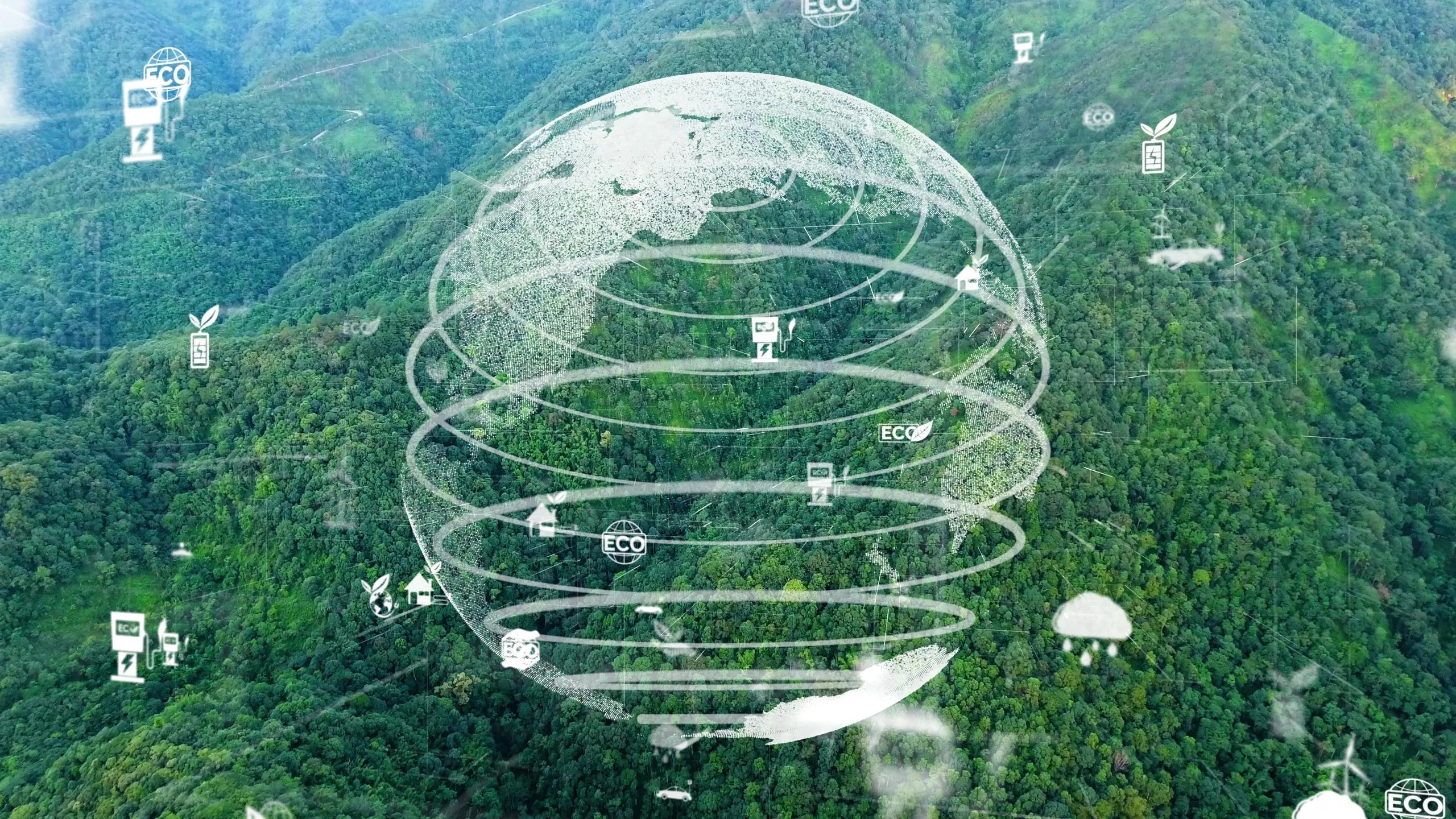
The Fourth Industrial Revolution (4IR) is reshaping the world as we know it, creating a seamless blend of the physical and digital realms. At the core of this transformation lies the convergence of advanced technologies such as the Internet of Things (IoT), Artificial Intelligence (AI), and Augmented and Virtual Reality (AR/VR). These innovations are not merely tools but catalysts driving a fundamental redefinition of reality, impacting industries, governments, and everyday life.
Understanding the Fourth Industrial Revolution
Unlike previous industrial revolutions, characterized by mechanization, mass production, and the advent of computers, the 4IR represents a fusion of technologies that blurs the lines between the physical, digital, and biological domains. Klaus Schwab, founder of the World Economic Forum, describes the 4IR as an era defined by "velocity, scope, and systems impact." Its hallmark is interconnectedness, where smart systems communicate autonomously, analyze data in real time, and drive unprecedented efficiency and innovation.
This revolution is powered by enabling technologies. IoT connects physical objects to the internet, allowing for remote monitoring and control. AI enhances decision-making through advanced analytics and machine learning algorithms. AR and VR extend the possibilities of human interaction with technology, bridging the gap between the digital and the real.
IoT: Creating a Connected Ecosystem
The Internet of Things is a cornerstone of the 4IR, weaving together billions of devices into a cohesive digital network. By embedding sensors, actuators, and communication modules into physical objects, IoT enables data collection and exchange at a scale never before possible. From smart cities to industrial automation, IoT forms the backbone of interconnected systems.
In manufacturing, IoT powers the concept of Industry 4.0, where sensors on machines enable predictive maintenance, reducing downtime and enhancing productivity. Smart homes exemplify IoT’s impact on daily life, with devices such as thermostats, security cameras, and appliances communicating seamlessly to optimize comfort and energy efficiency.
IoT also plays a critical role in logistics and supply chain management. Sensors in transport vehicles track real-time locations and conditions, ensuring perishable goods arrive intact. This convergence of digital insights and physical assets is redefining operational strategies, ensuring a level of transparency and efficiency that was previously unattainable.
AI: Driving Intelligence in Real-Time
Artificial Intelligence enhances the functionality of IoT and other digital systems by enabling them to learn and adapt. AI’s ability to analyze large datasets, recognize patterns, and make predictions in real time is indispensable in the 4IR.
In the healthcare industry, AI-powered diagnostics leverage data from wearable IoT devices to monitor patient health and predict medical conditions. In retail, AI algorithms analyze consumer behavior, personalizing recommendations and optimizing inventory management.
Moreover, AI enables the creation of digital twins, virtual replicas of physical assets. These digital models allow organizations to simulate, monitor, and optimize their real-world counterparts. For example, AI-driven digital twins of buildings integrate data from IoT sensors to monitor energy use, predict maintenance needs, and improve occupant comfort.
The interplay between AI and IoT is particularly evident in autonomous systems. Self-driving cars, for instance, rely on AI to interpret sensor data from their surroundings and make split-second decisions, bridging the gap between the virtual and physical dimensions of mobility.
AR/VR: Bridging Real and Virtual Realms
Augmented Reality (AR) and Virtual Reality (VR) are technologies that redefine how humans perceive and interact with the digital world. AR overlays digital information onto the physical environment, enhancing reality, while VR creates fully immersive digital experiences. Both technologies are pivotal in erasing the boundary between the tangible and the virtual.
In construction and architecture, AR allows project teams to visualize building designs in real-world contexts before construction begins. Workers can view 3D models superimposed on actual sites, improving planning and reducing errors. VR, on the other hand, enables immersive training environments where workers can simulate real-world scenarios without risk.
The retail industry is also leveraging AR/VR to transform the shopping experience. Virtual try-ons allow customers to see how clothes or furniture fit in their space, merging digital convenience with the tactile appeal of in-store shopping.
Gaming and entertainment are perhaps the most visible beneficiaries of AR/VR. From fully immersive VR games to AR-enhanced live sports broadcasts, these technologies are revolutionizing how audiences engage with content. Beyond entertainment, AR and VR are reshaping education, enabling interactive learning experiences that bridge the gap between theoretical concepts and practical applications.
Merging Physical and Digital Worlds: Practical Applications
The convergence of IoT, AI, and AR/VR is creating a hybrid reality where the digital and physical worlds coexist and interact. This integration is evident across diverse sectors:
Smart Cities: Urban centers are leveraging IoT and AI to manage resources efficiently. Sensors monitor traffic, air quality, and energy consumption, while AI analyzes data to optimize urban planning and infrastructure.
Healthcare: AR enhances surgical precision by providing surgeons with real-time overlays of patient anatomy, while AI-powered predictive analytics improves patient outcomes.
Manufacturing: Digital twins, powered by IoT and AI, simulate factory processes, allowing for real-time monitoring and optimization of production lines.
Education: AR/VR-based learning tools create immersive environments where students can explore historical events, scientific phenomena, or complex machinery, enhancing understanding and retention.
Retail: The integration of AR/VR into e-commerce allows consumers to interact with products in novel ways, bridging the gap between online and in-store experiences.
Energy: Smart grids, enabled by IoT and AI, optimize energy distribution and consumption. AR aids maintenance crews by overlaying equipment diagnostics and repair instructions in real time.
Challenges and Ethical Considerations
While the blending of the physical and digital worlds offers immense benefits, it also presents challenges. Privacy and security concerns are paramount. The interconnected nature of IoT devices creates vulnerabilities, as demonstrated by high-profile data breaches.
AI’s decision-making processes often operate as “black boxes,” raising questions about transparency and accountability. Meanwhile, the immersive nature of AR/VR raises ethical concerns about user consent and the potential for misuse.
Moreover, the rapid adoption of these technologies risks exacerbating the digital divide. While advanced economies thrive in the 4IR, developing nations may struggle to keep pace, leading to disparities in access to its benefits.
The Future of Hybrid Reality
As the Fourth Industrial Revolution continues to evolve, the integration of IoT, AI, and AR/VR will deepen, creating even more sophisticated hybrid realities. Emerging technologies such as quantum computing and 5G connectivity will amplify these advancements, enabling faster data processing and more immersive experiences.
In the near future, we may witness the rise of fully interconnected environments, where digital twins not only replicate but predict and influence their physical counterparts. Smart cities will become living ecosystems, adapting autonomously to the needs of their inhabitants. Education, healthcare, and commerce will become increasingly personalized, driven by insights gleaned from real-time data.
In conclusion, the Fourth Industrial Revolution is not merely a technological shift but a profound redefinition of reality itself. By merging the physical and digital worlds through IoT, AI, and AR/VR, the 4IR is creating an interconnected ecosystem that transcends traditional boundaries. While challenges remain, the opportunities for innovation and progress are boundless.
As individuals, organizations, and societies navigate this transformative era, embracing the possibilities of hybrid reality while addressing its ethical and practical challenges will be crucial. The future lies not in choosing between the physical and the digital but in harmonizing the two to create a reality enriched by the best of both worlds.