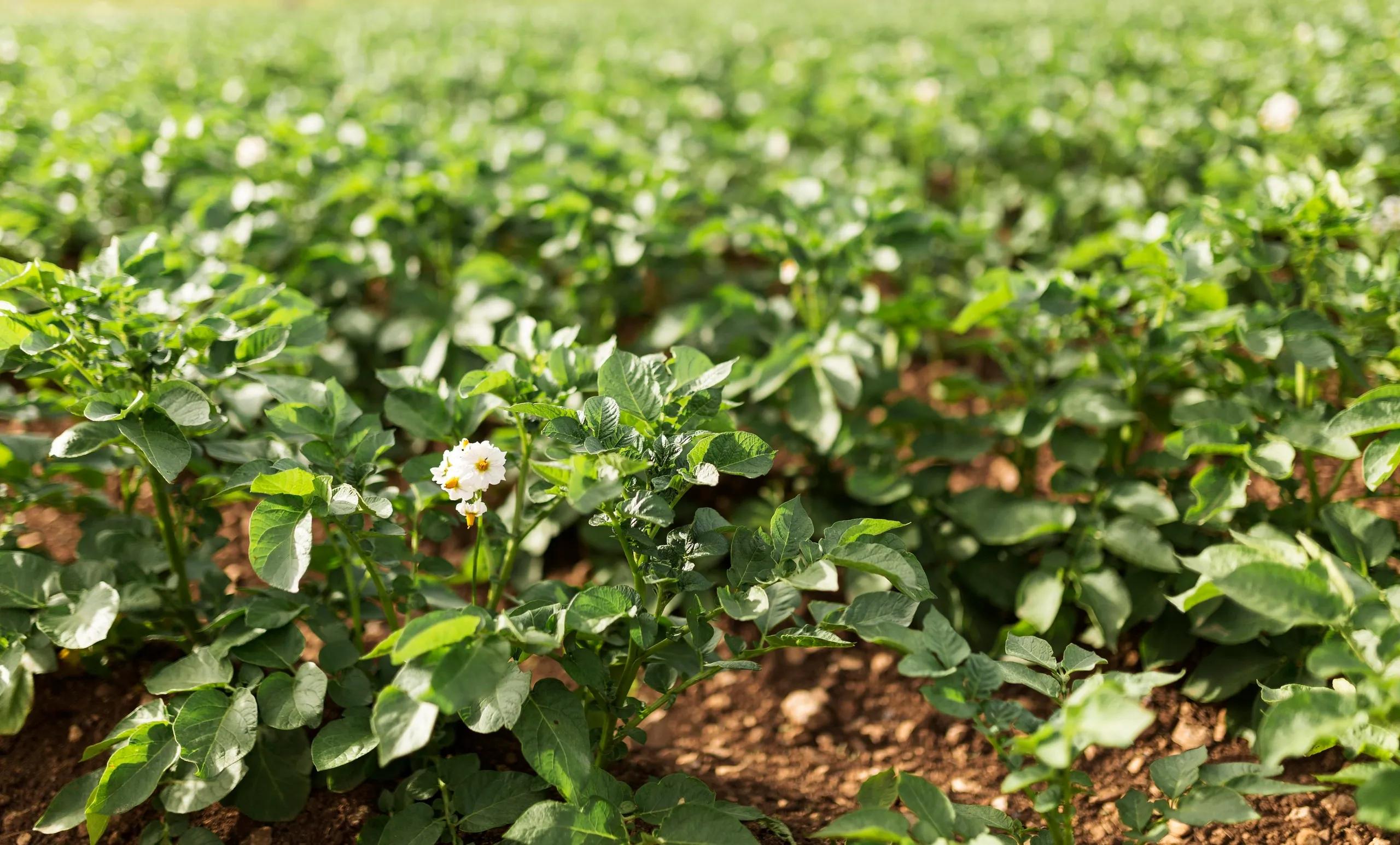
Agriculture, a crucial sector for global food security, faces increasing challenges due to climate change, pests, and diseases that affect crop yields. Traditional methods of crop monitoring, which include manual inspection and periodic surveys, are often inefficient and time-consuming, leading to delayed responses to crop health issues. To combat these inefficiencies, real-time monitoring technologies that utilize drones and artificial intelligence (AI) have emerged as innovative solutions for modern agriculture. These technologies enable precise and timely detection of crop diseases, empowering farmers to take early action and improve overall crop health management.
This article delves into the technical aspects of real-time crop disease monitoring using drones and AI technology, exploring how these technologies integrate to revolutionize agricultural practices.
1. The Need for Real-Time Crop Monitoring
Crop diseases have been a persistent threat to agricultural productivity. Fungal infections, bacterial infestations, and viral diseases can spread rapidly across large fields, causing significant losses if not detected early. Traditional crop disease management methods, including manual inspection, are labor-intensive, time-consuming, and prone to human error. Additionally, they often result in delayed diagnosis, leading to reduced yields and financial losses.
Real-time monitoring of crop health offers an effective alternative by enabling the continuous observation of vast agricultural landscapes. This monitoring helps farmers detect disease outbreaks early and implement targeted interventions such as the application of fungicides, pesticides, or other remedial actions.
2. The Role of Drone Technology in Crop Monitoring
Drones, or unmanned aerial vehicles (UAVs), have become indispensable tools in precision agriculture. Equipped with advanced sensors and cameras, drones can capture high-resolution images and real-time data from large farming areas in a fraction of the time it takes for manual inspection. The speed, accuracy, and scalability of drone-based monitoring make it an ideal solution for observing crop health over time.
2.1 Sensors and Cameras
Drones used in crop monitoring are often fitted with various sensors, including multispectral, hyperspectral, and thermal cameras. These sensors provide different insights into crop health:
Multispectral Sensors : Capture data across multiple wavelengths of light, allowing the detection of specific plant stresses, such as disease or nutrient deficiencies, that are not visible to the naked eye.
Hyperspectral Sensors : Capture a broader range of light frequencies and provide more detailed spectral information, which can be used to identify subtle changes in crop health and the early stages of disease progression.
Thermal Cameras : Detect temperature variations in the field, which can indicate water stress, pest infestations, or disease presence in plants.
These sensors, when integrated with drones, allow for continuous monitoring of crop fields, capturing critical data in real-time. The collected data forms the basis for AI algorithms to analyze and predict disease outbreaks.
3. AI-Powered Disease Detection
AI plays a pivotal role in analyzing the data collected by drones. The vast amounts of data captured through drone flights over agricultural fields are processed using machine learning and deep learning algorithms to identify patterns associated with crop diseases. AI models are trained to recognize visual symptoms of disease, such as changes in leaf color, texture, or shape, that are indicative of specific diseases.
3.1 Machine Learning for Image Classification
Machine learning algorithms, particularly convolutional neural networks (CNNs), are widely used in image classification tasks for crop disease detection. These networks are trained using labeled datasets of diseased and healthy crop images. The training process involves feeding the network thousands of images, allowing it to learn how to differentiate between healthy crops and those affected by specific diseases.
Once the AI model is trained, it can classify new drone-captured images in real-time. For example, if a section of the crop field shows visual signs of a fungal infection, such as leaf spots or discoloration, the AI model can detect these abnormalities and flag the area for further investigation or intervention.
3.2 Predictive Analytics and Disease Spread Models
In addition to real-time disease detection, AI can be used for predictive analytics. By analyzing historical data on crop diseases, weather patterns, and field conditions, AI models can forecast potential disease outbreaks. These predictive models help farmers prepare in advance by applying preventative measures before a full-scale outbreak occurs.
For example, if the AI model detects conditions favorable to a specific type of fungal disease, such as high humidity and temperature, it can predict the likelihood of disease spread. Farmers can then take proactive steps, such as adjusting irrigation schedules or applying fungicides to vulnerable areas.
4. Integration of Drone and AI Technology for Real-Time Monitoring
The integration of drone technology with AI enables a comprehensive, real-time monitoring system that provides actionable insights for farmers. The typical workflow of such a system involves the following steps:
4.1 Data Acquisition
Drones equipped with sensors fly over the agricultural field, capturing images and data across various wavelengths. These drones can be programmed to follow specific flight paths to ensure comprehensive coverage of the field. The data acquisition process is fast and efficient, covering hundreds of acres in a single flight.
4.2 Data Processing and Analysis
Once the drone data is captured, it is transmitted to a cloud-based platform or an edge computing device for processing. AI algorithms analyze the images and sensor data to detect any anomalies that may indicate crop diseases. These algorithms can identify disease patterns that are difficult to detect through manual inspection.
4.3 Real-Time Alerts and Recommendations
The AI system generates real-time alerts if any disease symptoms are detected. Farmers receive notifications on their smartphones or computers, providing them with details about the location and severity of the detected issue. The system may also offer recommendations for remedial actions, such as the application of specific pesticides or adjusting irrigation.
5. Benefits of Real-Time Monitoring Using Drone and AI Technology
The use of drones and AI for real-time crop monitoring offers several key benefits:
Early Detection : AI-driven monitoring systems detect diseases at an early stage, allowing farmers to intervene before significant crop damage occurs.
Reduced Labor Costs : Drones can cover large areas quickly, reducing the need for manual labor and freeing up resources for other tasks.
Precise Application of Resources : Real-time disease detection enables farmers to apply pesticides or fungicides only to affected areas, minimizing the use of chemicals and reducing environmental impact.
Increased Yields : By preventing the spread of diseases and ensuring timely intervention, farmers can improve overall crop yields and quality.
Data-Driven Decision Making : AI-powered analytics provide farmers with actionable insights, enabling them to make informed decisions based on real-time data and predictive models.
6. Challenges and Future Prospects
Despite the numerous advantages, the adoption of drone and AI technology in agriculture faces certain challenges. High initial costs, lack of technical expertise, and limited access to reliable data networks in rural areas can hinder the widespread implementation of these technologies.
However, as the cost of drone technology decreases and AI models become more accessible, it is expected that more farmers will adopt these solutions. Future advancements in AI, such as more accurate disease detection algorithms and improved predictive analytics, will further enhance the capabilities of real-time crop monitoring systems.
In conclusion, the combination of drones and AI technology represents a transformative solution for real-time monitoring of crop diseases. By leveraging advanced sensors, machine learning algorithms, and predictive analytics, these technologies enable early detection, precise interventions, and data-driven decision-making, ultimately leading to improved agricultural productivity and sustainability. As these technologies continue to evolve, they will play an increasingly vital role in addressing the challenges of modern agriculture, ensuring global food security, and promoting sustainable farming practices.