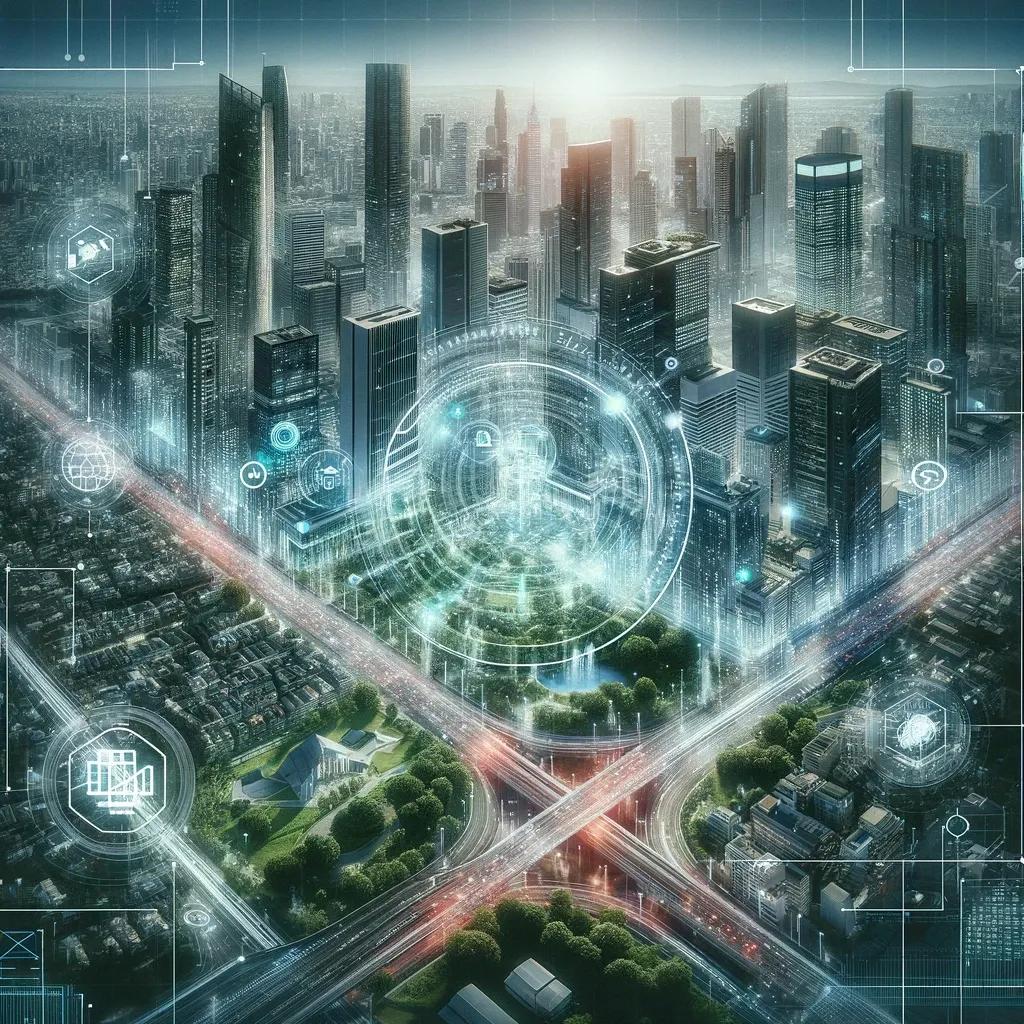
In today's rapidly advancing technological landscape, digital twins have emerged as a revolutionary tool, not just in the private sector but increasingly within public administration and services. Digital twins, which are virtual replicas of physical entities, processes, or systems, enable organizations to simulate, predict, and control real-world scenarios through digital means. This capability is proving to be particularly transformative for the public sector, offering unprecedented opportunities for improving efficiency, enhancing service delivery, and ensuring sustainability.
Concept of Digital Twins
A digital twin is a dynamic virtual model of a physical object, process, or system. It integrates IoT sensors, real-time data streams, and advanced analytics to create a live replica that can predict behaviors, optimize operations, and improve decision-making. For the public sector, this means the ability to model cities, infrastructure, utilities, and even social services through highly detailed, continuously updated replicas.
Applications in the Public Sector
Urban Planning and Smart Cities
Digital twins serve as a cornerstone technology in the development of smart cities. They allow urban planners to simulate urban layouts, traffic systems, energy consumption, and more. For example, Singapore’s Virtual Singapore project is a digital twin of the city that integrates data from various sources to facilitate planning and emergency response. This not only helps in efficient city management but also enhances the quality of life by optimizing traffic flows, reducing energy usage, and improving public safety.
Infrastructure Management
The management of physical infrastructure such as bridges, roads, and public buildings is enhanced by digital twins. These technologies can predict the effects of wear and tear over time, plan maintenance more effectively, and reduce downtime. For instance, the use of digital twins in monitoring the health of bridges allows for real-time data analysis, helping to prevent failures and extend the infrastructure’s life span while optimizing repair budgets.
Environmental Monitoring and Sustainability
Environmental protection and sustainability are critical concerns for the public sector. Digital twins can monitor environmental conditions in real time, simulate the impact of policies, and plan interventions more effectively. By modeling water systems, air quality, and even waste management processes, governments can take proactive steps towards environmental conservation and sustainable resource management.
Healthcare and Public Safety
In healthcare, digital twins can simulate hospital operations, patient flows, and emergency response scenarios to improve service delivery and patient outcomes. During the COVID-19 pandemic, several health systems used digital twins to manage resources and optimize hospital occupancy rates. Similarly, in public safety, emergency services use digital twins to plan responses to natural disasters, enhancing preparedness and reducing response times.
Energy and Utility Management
Energy systems, including electricity grids and water utilities, benefit significantly from digital twin technologies. These tools can predict demand peaks, simulate disruptions, and optimize distribution networks. This not only improves efficiency and reduces costs but also enhances the resilience of energy systems against external shocks like natural disasters or sudden spikes in demand.
Challenges and Considerations
Despite their vast potential, the implementation of digital twins in the public sector is not without challenges. Issues such as data privacy, cybersecurity, and the digital divide must be addressed to fully leverage these technologies. Ensuring the security of sensitive data and maintaining public trust are paramount, as is ensuring equitable access to the benefits provided by digital twins.
The Future of Digital Twins in Public Services
As digital twin technology continues to evolve, its integration into public sector strategies is expected to deepen. Future advancements may lead to more comprehensive integration with emerging technologies such as AI and machine learning, further enhancing predictive capabilities and decision-making processes. The potential for digital twins to contribute to more responsive, efficient, and transparent government is immense.
In conclusion, digital twins represent a paradigm shift in how public services can be managed and delivered. They provide a powerful tool for simulation, prediction, and optimization that can transform public administration. By embracing these innovations, the public sector can not only enhance operational efficiencies but also elevate the quality of life for citizens and promote sustainability in urban development. As we move forward, it is critical for policymakers and public administrators to invest in these technologies, ensuring they are leveraged to their full potential to meet the challenges of modern governance and public service delivery.