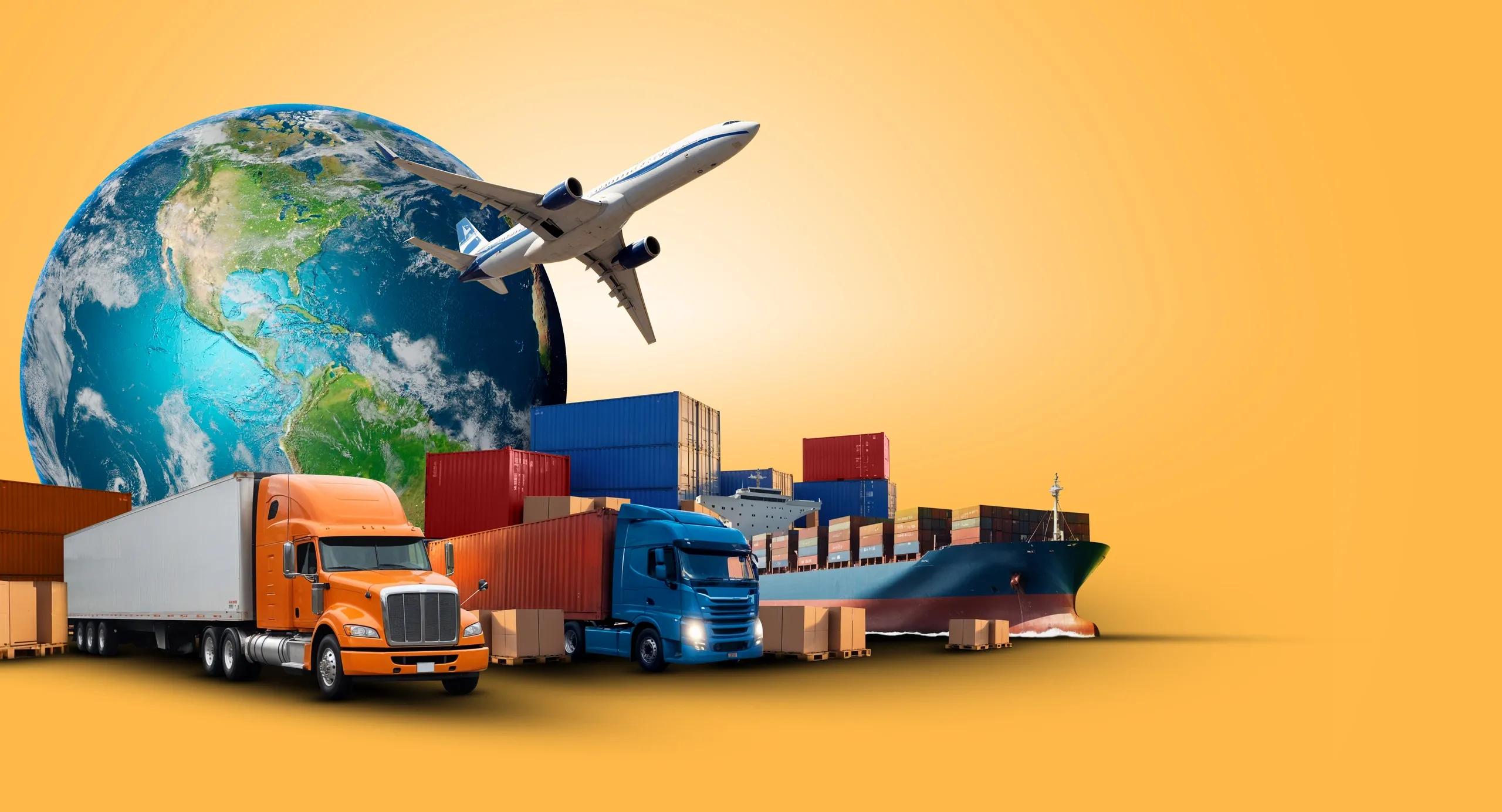
In recent years, Logistics 4.0 has gained prominence as companies look for ways to streamline supply chains and gain deeper visibility into day-to-day operations. It leverages advanced digital technologies, including integrated tracking systems, blockchain, and predictive analytics, to create an environment of real-time data exchange. This article examines how these technologies work together to ensure transparency, reduce costs, and mitigate risks in global supply chains.
1. The Shift Toward Real-Time Visibility
Supply chain management has become more complex with the rise of globalization. Goods now travel longer distances and pass through numerous touchpoints, manufacturing centers, ports, warehouses, and distribution hubs, before reaching their final destination. Traditional supply chain methods often result in fragmented data silos, delayed updates, and limited communication between stakeholders. Real-time visibility aims to fix these problems by unifying data in a digital environment accessible to all authorized parties.
Logistics 4.0 principles prioritize data-driven decisions, automation, and decentralized information sharing. Companies are adopting digital tools that provide a holistic view of product location, condition, and transportation route. An integrated tracking system can identify issues, such as a shipment delay, in real time, allowing for fast adjustments. Blockchain adds a layer of security by creating tamper-proof records of transactions, while predictive analytics transform raw data into actionable insights. This integrated approach allows companies to respond quicker to disruptions and align resources more efficiently.
2. Integrated Tracking Systems
An integrated tracking system generally consists of hardware components, such as sensors and GPS devices, and software platforms that analyze and communicate data. These systems collect a range of information: temperature, location, shock and vibration levels, and even humidity. Once data is collected, it is transmitted via mobile networks or satellite connections to cloud platforms. Authorized stakeholders, from logistics managers to end customers, can view the status of the shipment in real time.
Sensor-Based Monitoring Sensor-based monitoring uses devices capable of detecting environmental changes and movement. In temperature-sensitive industries such as food and pharmaceuticals, sensors provide updates on whether goods remain within specified temperature ranges. If a breach occurs, the system issues an alert, allowing quick corrective action.
GPS and Geo-Fencing GPS-enabled trackers work by providing precise, location-based updates. Combining GPS data with geo-fencing techniques allows supply chain managers to define virtual boundaries. When a vehicle or container crosses these boundaries, the system triggers notifications. This information can help reroute shipments if road closures, weather conditions, or other disruptions threaten timely delivery.
Cloud-Based Platforms Most integrated tracking systems rely on cloud infrastructures to store and process large volumes of real-time data. Cloud-based software aggregates sensor readings, location updates, and historical information into dashboards. This approach reduces reliance on local computing resources, lowers IT costs, and allows global teams to collaborate seamlessly.
These features offer a complete view of logistics activities, eliminating data silos and manual processes. With automated alerts, stakeholders respond faster, avoiding issues that might have gone unnoticed in a purely manual system. Over time, historical data from integrated tracking systems can be analyzed for patterns, leading to better forecasts and planning decisions.
3. Blockchain in Supply Chain Transparency
Blockchain technology, originally designed for cryptocurrency, has found a strong use case in supply chain management. A blockchain is a distributed ledger that stores records, “blocks”, in a chain where each block references the previous one. Due to cryptographic linking, altering a record in one block invalidates subsequent blocks, making fraudulent changes easy to detect.
Immutable Tracking of Goods A blockchain-based system records each step in the shipment process. From manufacturing details to customs inspections, every event is logged in the ledger. Because no single entity can modify past records without network consensus, stakeholders trust that the data is accurate. This reduces reliance on paper-based documentation, which is often prone to tampering or human error.
Smart Contracts Smart contracts are pieces of code stored on a blockchain that execute automatically when predefined conditions are met. For instance, a smart contract could release payment to a supplier when the shipment crosses a specific checkpoint. This automation removes the need for manual approval processes and reduces payment delays.
Enhanced Stakeholder Collaboration In Global Supply Chains, multiple parties must coordinate, manufacturers, logistics providers, customs agencies, and retailers. Blockchain creates a shared environment where everyone can confirm the accuracy of shipment details without having to reconcile different databases. This transparency helps build trust among partners and lowers costs associated with audits or inspections.
With blockchain, each participant has a single source of truth. Mistakes stand out, and fraud becomes riskier. Furthermore, regulators can trace the path of sensitive or regulated goods from origin to destination. This level of visibility boosts compliance with industry standards and legal requirements. While blockchain adoption faces challenges, such as interoperability and scalability, technology continues to evolve, offering an increasingly robust solution for supply chain visibility.
4. Predictive Analytics for Risk and Cost Reduction
Predictive analytics in supply chain management leverages historical and real-time data to forecast future events. By recognizing trends and potential disruptions early, supply chain managers can avoid hazards, reduce costs, and prevent stockouts or overstock situations. Predictive analytics tools rely on algorithms and machine learning models to detect patterns in large datasets.
Demand Forecasting Demand forecasting involves analyzing historical sales data, market trends, and external variables such as economic indicators. When forecasts show an unexpected surge or decline in demand, logistics can adjust shipping schedules and stock levels accordingly. This capability prevents overproduction, minimizes inventory holding costs, and ensures sufficient stock during peak seasons.
Route Optimization Predictive analytics algorithms use real-time traffic data, weather forecasts, and historical travel times to optimize routes. Early detection of congestion or severe weather leads to proactive re-routing. By choosing the most efficient paths, companies can reduce fuel expenses and vehicle wear-and-tear.
Risk Management Global supply chains face geopolitical risks, natural disasters, and regulatory changes. Predictive models can combine multiple data points, including news feeds and social media sentiment, to estimate the likelihood of disruptions. This early warning system gives companies time to source alternative vendors or shift production to other regions. It also aids in adjusting shipping schedules or rerouting freight before major issues arise.
Inventory Optimization Holding too much inventory ties up capital and incurs storage expenses, while insufficient stock risks losing sales. Predictive analytics balance these extremes by applying safety stock calculations that account for demand variability and lead times. The result is a leaner supply chain with lower operational costs.
When combined with real-time tracking data, predictive analytics can point to bottlenecks or inefficiencies. For instance, a logistics manager might notice that a specific route often experiences customs delays. By analyzing location data and processing times, the manager can decide to use a different port or restructure shipping timelines. This actionable insight stems directly from correlating past events with present data.
5. Mitigating Risks Through Coordination
A single technology alone does not solve visibility challenges. Real-time data, blockchain, and predictive models must work in tandem to deliver maximum benefits. Coordination among stakeholders becomes simpler when there is a unified digital framework. Data from integrated tracking systems feeds into blockchain networks, providing a secure, real-time record of each shipment checkpoint. Predictive analytics then draws upon this verified data to produce forecasts.
For example, a manufacturer might rely on blockchain to confirm the authenticity of raw materials. When the raw materials reach the factory, sensors record temperature and humidity levels. As the goods move through the supply chain, the blockchain ledger continues to track location updates, and predictive analytics look for any signs of potential transit delays. If the model detects possible disruption, like adverse weather, it can suggest rerouting strategies. Once a new route is confirmed, the integrated tracking system updates location data so that stakeholders can monitor progress in real time.
This combined approach builds resilience into the supply chain. Data-driven decisions replace guesswork, improving the overall flow of goods and reducing errors. Even in adverse conditions, companies can rely on real-time updates to minimize damage, isolate issues, and maintain continuity.
6. Cost Efficiency and ROI
Implementing Logistics 4.0 technologies requires financial investment in hardware, software, and training. Yet many companies report significant returns on these investments. Real-time monitoring reduces the need for emergency response measures, lowers insurance premiums, and prevents spoilage in temperature-controlled shipments. Automated processes also cut down on administrative overhead, such as manual data entry or paper-based recordkeeping.
Predictive analytics reduces wastage through more accurate demand forecasting. Companies that use these methods can hold smaller inventory levels, reduce carrying costs, and adjust production according to real-time changes in demand. Blockchain’s transparency enables faster dispute resolution, reducing penalties and chargebacks. Collectively, these improvements can outweigh initial setup costs.
Additionally, regulatory bodies increasingly look favorably on enterprises that demonstrate robust traceability. By adopting Logistics 4.0, companies can gain a competitive edge in securing licenses or meeting new compliance requirements. Over time, standardized data and automated workflows become the norm, further reducing the cost of daily operations.
7. Challenges and the Path Forward
While Logistics 4.0 offers substantial benefits, challenges remain:
Interoperability Many existing systems lack standardized interfaces. Integrating legacy systems with modern platforms can require significant effort. Unified communication protocols and industry standards are gradually emerging to solve these issues.
Data Security Blockchain improves data integrity, but organizations still need robust cybersecurity measures to protect cloud servers, IoT devices, and communication channels. Failing to do so could compromise sensitive shipping details and expose intellectual property.
Scalability and Costs Smaller companies may struggle to justify the initial expense of adopting these technologies. Over time, as hardware prices drop and software platforms mature, costs are likely to become more accessible. Scalability also hinges on organizational readiness for digital transformation.
Despite these challenges, the path forward is clear. Rapid improvements in sensor technology, blockchain protocols, and analytics software are making it easier for companies to implement end-to-end visibility. Governments and industry bodies are promoting data standards that simplify cross-border trade and expedite processes. As supply chains continue to expand in complexity, the need for real-time oversight becomes increasingly critical.
In conclusion, logistics 4.0 signifies a notable shift in how global supply chains operate, bringing real-time data, transparent recordkeeping, and intelligent decision-making to the forefront. Integrated tracking systems reveal a product’s journey in real time, blockchain secures transaction histories, and predictive analytics anticipates potential hazards. Together, these technologies create a smarter, leaner, and more reliable supply chain.
Companies that embrace Logistics 4.0 stand to gain greater efficiency and agility, ultimately improving their bottom line. Real-time data not only prevents costly disruptions but also helps supply chain stakeholders make well-informed decisions. Regulatory compliance becomes simpler through transparent and tamper-resistant records, while predictive analytics optimize critical processes like demand planning and route selection.
Although hurdles remain in interoperability, data security, and scalability, many organizations find that the long-term benefits outweigh the initial challenges. As technology continues to evolve, Logistics 4.0 will increasingly define how goods move around the world, faster, more transparently, and at a lower cost.