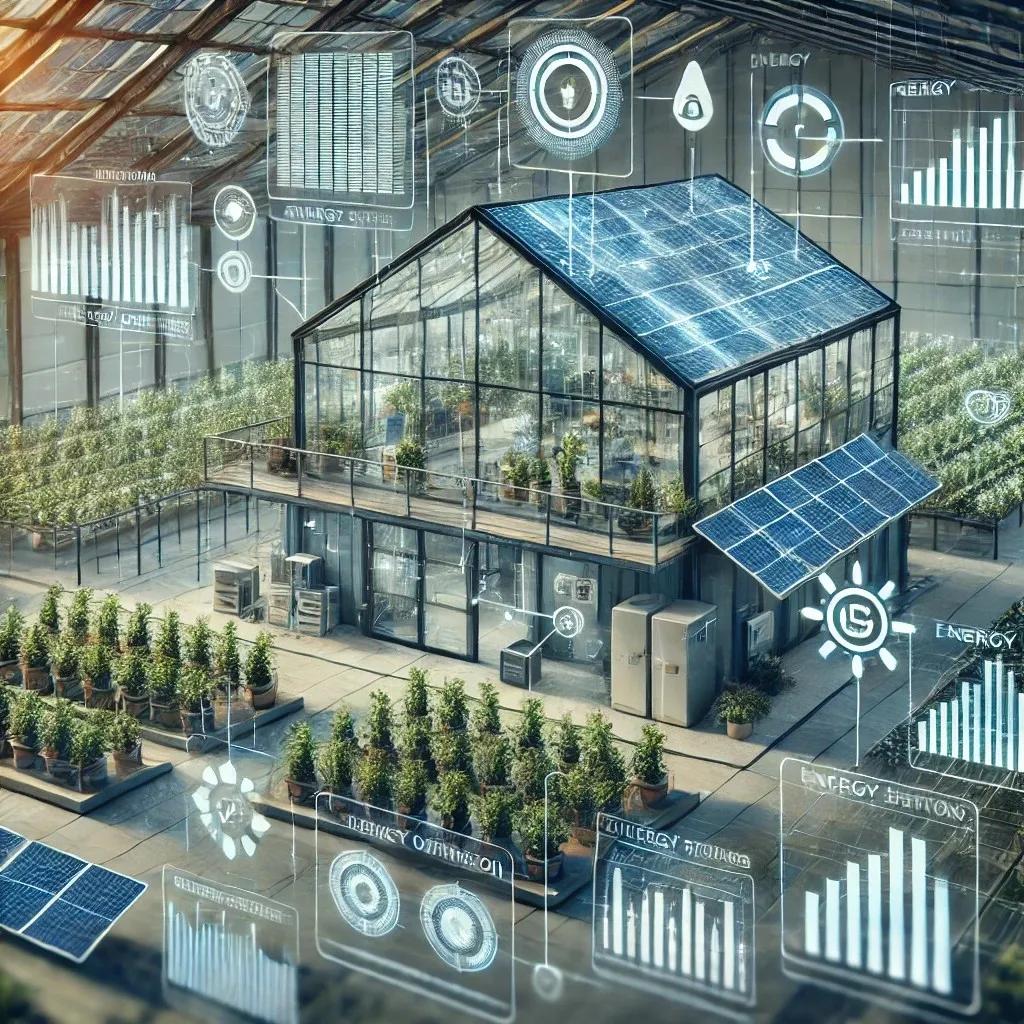
In the era of the Fourth Industrial Revolution, where data-driven decisions are pivotal, the integration of Digital Twin technology and machine learning is transforming the energy management landscape across various sectors. These advanced technologies offer a sophisticated approach to optimizing energy consumption, reducing operational costs, and enhancing sustainability. This article explores how Digital Twin technology and machine learning are revolutionizing energy optimization, with a particular focus on real-world applications.
Understanding Digital Twin Technology
Digital Twin technology involves creating a virtual replica of a physical system, asset, or process. This digital counterpart mirrors the real-world entity, capturing real-time data from sensors and other IoT devices embedded in the physical environment. The Digital Twin can simulate different scenarios, predict outcomes, and provide actionable insights based on real-time data analysis.
The primary advantage of Digital Twin technology lies in its ability to model complex systems accurately. By doing so, it enables continuous monitoring, predictive maintenance, and operational optimization, leading to significant cost savings and improved efficiency. When combined with machine learning algorithms, Digital Twins can evolve by learning from past data, making them more accurate and insightful over time.
The Role of Machine Learning in Energy Optimization
Machine learning, a subset of artificial intelligence (AI), involves training algorithms to identify patterns in large datasets. When applied to energy management, machine learning can analyze historical energy consumption data, weather patterns, energy prices, and other relevant factors to optimize energy usage. These algorithms can predict future energy demands, suggest the most cost-effective energy sources, and even automate energy management processes.
By integrating machine learning with Digital Twin technology, businesses can create a dynamic, self-learning system that continuously optimizes energy usage in real-time. This integration allows for more precise control over energy consumption, minimizing waste and reducing costs.
Practical Application: Energy Optimization in Greenhouses
One of the sectors benefiting significantly from the adoption of Digital Twin technology is agriculture, specifically greenhouse operations. Greenhouses are energy-intensive environments, requiring precise climate control to ensure optimal plant growth. Managing energy costs while maintaining the necessary environmental conditions is a constant challenge for greenhouse operators.
A prime example of this technology in action is the Priva ECO (Energy Cost Optimizer), a solution that utilizes Digital Twin technology and machine learning to optimize energy costs in greenhouses. As demonstrated in a pilot project with Sigg-Plant, a Finnish grower, the Priva ECO created a digital replica of the greenhouse environment. This Digital Twin was used to simulate various energy scenarios, taking into account factors such as energy prices, weather conditions, and the specific energy needs of the plants.
The machine learning algorithms within the Priva ECO continuously analyzed the real-time data from the greenhouse, learning from the outcomes of previous energy decisions. This allowed the system to recommend the most cost-efficient energy usage strategies. In the case of Sigg-Plant, the adoption of this technology led to substantial energy savings, as the system automated the selection of energy sources based on price fluctuations and other dynamic factors. This example illustrates how Digital Twin technology, coupled with machine learning, can optimize energy costs while maintaining the required environmental conditions for plant growth.
Broader Implications for Industry
The success of Digital Twin technology in optimizing energy costs in greenhouse operations is indicative of its potential across other sectors. Manufacturing, utilities, transportation, and real estate are among the industries that can benefit from this technology. In manufacturing, for example, Digital Twins can optimize the energy consumption of production lines by simulating various operational scenarios and identifying the most efficient energy use patterns. In the utilities sector, Digital Twins can manage the distribution of energy across the grid, ensuring that supply meets demand in the most cost-effective manner.
In real estate, particularly in smart buildings, Digital Twin technology can optimize HVAC (heating, ventilation, and air conditioning) systems by analyzing occupancy patterns, weather forecasts, and energy prices. By predicting energy demand and adjusting the HVAC systems accordingly, smart buildings can significantly reduce their energy consumption and operational costs.
Challenges and Considerations
While the benefits of Digital Twin technology and machine learning in energy optimization are clear, there are several challenges to consider. First, the implementation of these technologies requires significant upfront investment in IoT devices, data infrastructure, and software solutions. Organizations must also ensure they have the necessary expertise to manage and analyze the large volumes of data generated by Digital Twins.
Data security and privacy are also critical concerns, as the data collected by Digital Twins often includes sensitive information about the operations of a facility. Ensuring that this data is protected from cyber threats is paramount.
Moreover, the accuracy of a Digital Twin is directly related to the quality of the data it receives. Inaccurate or incomplete data can lead to suboptimal decisions, undermining the potential benefits of the technology. Therefore, continuous monitoring and maintenance of the IoT devices and data infrastructure are essential.
Our Approach to Overcoming Implementation Challenges in Energy Optimization
To overcome the challenges associated with implementing Digital Twin technology and machine learning in energy optimization, we offer a comprehensive and scalable solution that addresses key pain points such as high upfront costs, data security, and data accuracy.
1. Cost-effective Deployment and Integration: We leverage a no-code platform that significantly reduces the time and expertise required to create and deploy Digital Twins. This approach minimizes the initial investment by eliminating the need for expensive hardware and specialized software development. Our platform is designed to operate on thin-compute devices, making it accessible without the need for high-end infrastructure. Additionally, our scalable architecture allows for seamless integration with existing systems, ensuring that organizations can gradually build out their Digital Twin capabilities without overwhelming their resources.
2. Data Security and Privacy: Understanding the critical importance of data security, we offer on-premises deployment options that ensure sensitive operational data remains within the client's secure infrastructure. Our platform is designed with robust security features, including secure access controls, encryption, and compliance with industry-standard protocols. This ensures that all data, whether in transit or at rest, is protected against cyber threats. Moreover, by allowing for a privately hosted solution, we provide clients with complete control over their data, mitigating concerns about unauthorized access or breaches.
3. Ensuring Data Accuracy and Reliability: The effectiveness of a Digital Twin is directly tied to the quality of the data it processes. We address this by integrating real-time data from IoT devices and sensors with advanced monitoring tools that continuously assess the integrity and accuracy of incoming data. Our platform supports predictive maintenance by using this high-quality data to identify potential issues before they escalate, ensuring that decisions are based on accurate and timely information. Additionally, our solutions include tools for visual work instructions and collaborative problem-solving, which further enhance the reliability of operations.
These strategic capabilities enable us to not only meet but exceed the expectations of organizations looking to optimize energy use and operational efficiency through Digital Twin technology.
Future Outlook
As the adoption of Digital Twin technology and machine learning continues to grow, we can expect to see even more sophisticated applications of these technologies in energy optimization. Advances in AI and data analytics will further enhance the capabilities of Digital Twins, enabling them to provide even more accurate predictions and insights.
In the long term, Digital Twin technology could play a central role in the transition to renewable energy sources. By simulating the integration of renewable energy into existing grids and optimizing the use of energy storage systems, Digital Twins can help organizations reduce their reliance on fossil fuels and move towards more sustainable energy practices.
In conclusion, Digital Twin technology and machine learning represent a powerful combination for optimizing energy costs across various sectors. By creating a virtual replica of a physical system and continuously learning from real-time data, these technologies enable businesses to make informed decisions that reduce energy consumption and operational costs. The example of Priva ECO's success in optimizing energy costs for a greenhouse operator highlights the practical benefits of these technologies. As they continue to evolve, Digital Twins and machine learning will undoubtedly play a crucial role in the future of energy management.
For more insights, you can explore the full summary here: https://www.hortidaily.com/article/9646287/energy-optimisation-for-grower-thanks-to-digital-twin-technology/