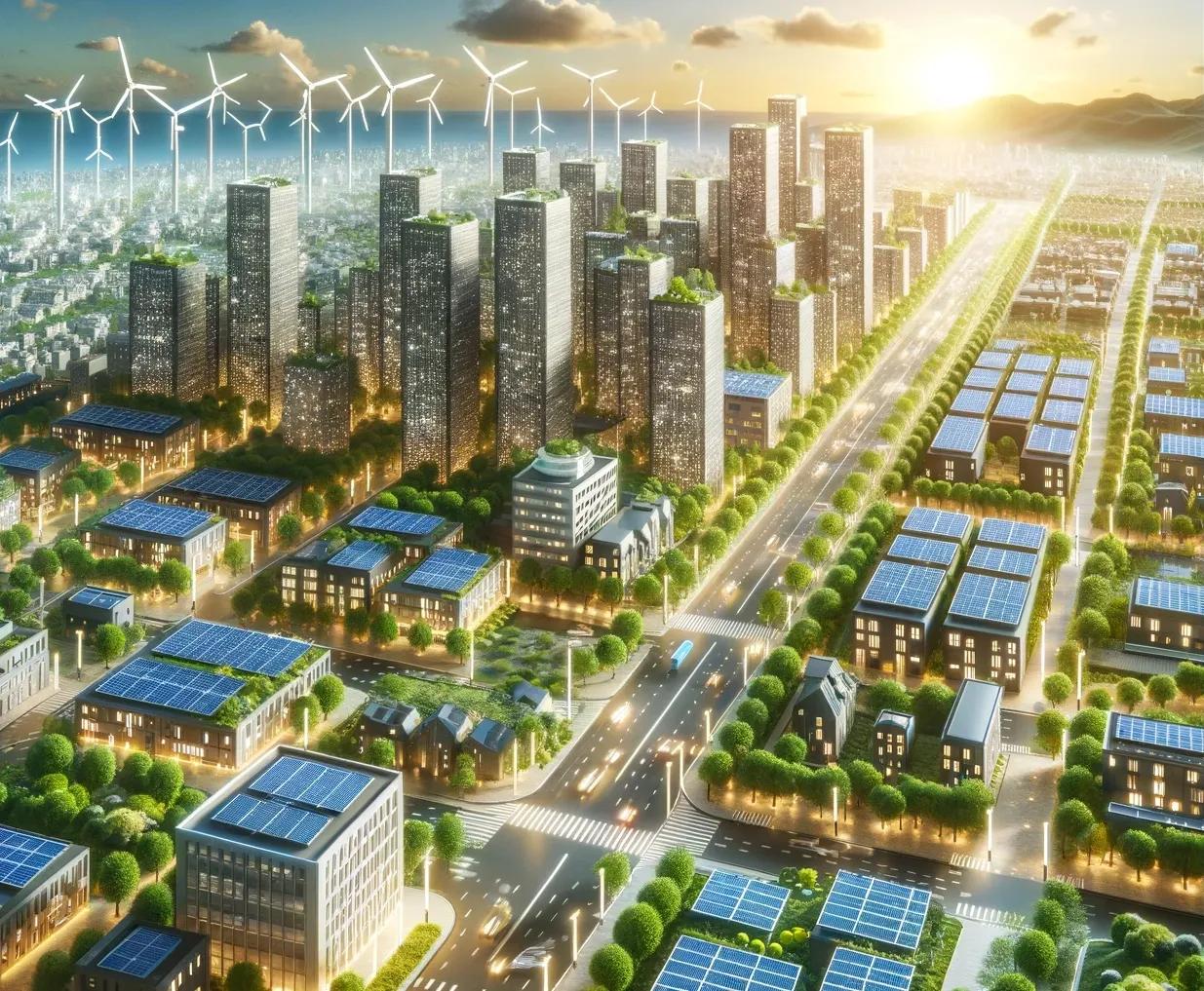
In the modern era, the concept of smart cities has transcended a mere buzzword, evolving into a pivotal aspect of urban planning and development. A smart city, at its core, is a framework predominantly composed of Information and Communication Technologies (ICT) aimed at fostering sustainable urban life. An integral component of this sustainable paradigm is the incorporation of renewable energy sources, such as solar, wind, and other alternatives, into the city's infrastructure. This integration not only promises environmental benefits but also ensures long-term economic and social sustainability.
Solar Energy: A Cornerstone of Urban Sustainability
Solar energy has emerged as a frontrunner in the renewable energy sector, especially in the context of smart cities. The implementation of solar panels in urban areas can be multifaceted, ranging from rooftop installations on residential and commercial buildings to their integration into public infrastructure like street lights and public transport systems.
One of the pioneering examples of solar energy application in smart cities is the development of solar roads. These are essentially roads embedded with photovoltaic cells, capable of not only generating electricity but also of powering street lighting and traffic systems. Moreover, solar energy plays a crucial role in the development of smart buildings—structures equipped with automated systems and energy-efficient technologies—where solar panels contribute significantly to reducing the carbon footprint.
Wind Energy: Harnessing Urban Wind Flows
Wind energy, traditionally associated with large-scale wind farms, is also finding its place in the urban landscape. Small-scale wind turbines, designed for lower wind speeds typical in urban environments, are being integrated into buildings and public spaces. These turbines can be installed on rooftops or alongside structures, contributing to the city's energy grid and promoting decentralized energy generation.
Innovative designs, such as vertical-axis wind turbines, have made it feasible to harness wind energy in densely built areas. They are not only less noisy but also more bird-friendly, making them suitable for urban settings. The integration of these turbines into building designs not only serves an aesthetic purpose but also symbolizes a city's commitment to sustainable practices.
Hybrid Systems: A Comprehensive Approach
The future of renewable energy in smart cities lies in the amalgamation of various sources, creating hybrid systems. For instance, combining solar and wind power can ensure a more stable and reliable energy supply, as the availability of sunlight and wind can vary. Additionally, the integration of energy storage systems like batteries is crucial to managing the intermittent nature of renewable sources. These storage systems can store excess energy generated during peak production times and release it during periods of high demand or low production.
Smart grid technology also plays a vital role in this integrated approach. These grids utilize ICT to manage and distribute energy efficiently, adapting to varying energy demands and supplies. They facilitate the seamless incorporation of renewable energy sources into the existing power grid, ensuring optimal use of generated power.
Challenges and Solutions
Despite the promising prospects, integrating renewable energy into smart cities is not without challenges. One of the primary concerns is the initial cost of implementing renewable energy technologies. However, advancements in technology have steadily reduced these costs, making renewable sources more competitive with traditional energy forms.
Another challenge lies in the regulatory and policy framework. For a smooth integration of renewables into urban infrastructure, supportive policies and incentives are essential. Governments and city planners must collaborate to create favorable conditions for renewable energy adoption, such as subsidies for solar panel installation or policies mandating renewable energy usage in new construction.
In conclusion, the integration of renewable energy sources into smart city design is not just a visionary idea but a necessary step towards a sustainable future. The synergy of solar and wind energy, coupled with innovative technologies like smart grids and energy storage systems, paves the way for cities that are not only smart but also sustainable. While challenges exist, the combined efforts of technology developers, policymakers, and city planners can overcome these hurdles, propelling us towards a future where smart cities powered by renewable energy become the norm rather than the exception. This paradigm shift in urban planning and development is crucial for addressing the pressing concerns of climate change, resource depletion, and environmental degradation, thereby ensuring a greener, cleaner, and more sustainable world for future generations.