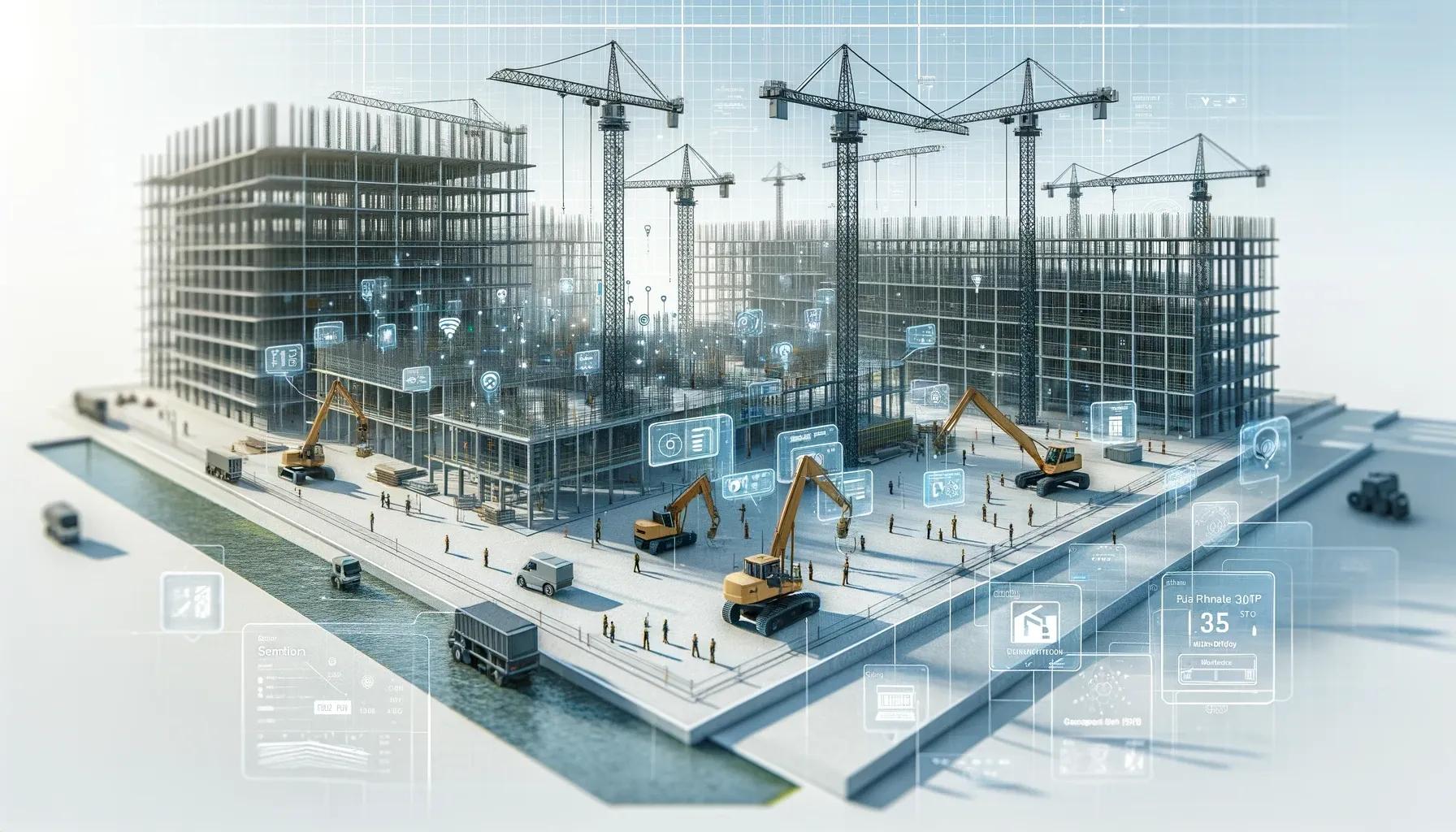
The construction industry, traditionally slow to adopt technological advancements, is now embracing innovative solutions to enhance efficiency, reduce costs, and improve project outcomes. Among these solutions, the integration of Building Information Modeling (BIM) with the Internet of Things (IoT) stands out as a game-changer. This integration brings a new era of construction management, offering real-time insights, streamlined operations, and enhanced decision-making capabilities. This article explores the technical aspects and benefits of integrating BIM with IoT, shedding light on how this synergy is revolutionizing construction management.
Understanding BIM and IoT
Building Information Modeling (BIM) is a digital representation of the physical and functional characteristics of a building. It serves as a shared knowledge resource, providing stakeholders with comprehensive information throughout the building’s lifecycle, from design and construction to operation and maintenance. BIM encompasses 3D modeling and integrates various data types, enabling improved visualization, coordination, and collaboration.
The Internet of Things (IoT) refers to the network of interconnected physical devices embedded with sensors, software, and other technologies. These devices collect and exchange data over the internet, allowing for real-time monitoring and control. In construction, IoT devices can be installed on machinery, equipment, and structures to gather data on various parameters such as temperature, humidity, vibration, and location.
The Synergy of BIM and IoT
Integrating BIM with IoT involves embedding IoT sensors and devices within the BIM framework. This integration allows for the real-time collection, analysis, and visualization of data, providing a dynamic and comprehensive view of the construction process. Here are the key components and benefits of this integration:
1. Real-Time Monitoring and Data Collection
IoT sensors installed on construction sites continuously collect data on various environmental and operational parameters. This data is fed into the BIM model, enabling real-time monitoring of site conditions. For instance, sensors can monitor concrete curing conditions, structural integrity, and equipment performance. The real-time data helps identify potential issues early, preventing delays and ensuring quality control.
2. Enhanced Visualization and Simulation
BIM provides a 3D digital model of the construction project, which can be augmented with real-time data from IoT devices. This enhanced visualization allows stakeholders to see the current state of the project and simulate different scenarios. For example, integrating weather data from IoT sensors can help simulate the impact of adverse weather conditions on the construction schedule. This predictive capability aids in proactive decision-making and risk management.
3. Improved Asset Management
The integration of BIM and IoT facilitates efficient asset management by providing real-time information on the location, condition, and utilization of equipment and materials. IoT-enabled tracking devices can monitor the movement and usage of construction assets, reducing the risk of theft and loss. Additionally, maintenance schedules can be optimized based on real-time data, ensuring that equipment is serviced promptly to avoid breakdowns.
4. Streamlined Workflow and Collaboration
BIM serves as a central repository of project information, accessible to all stakeholders. When combined with IoT, it provides up-to-date data, fostering better collaboration and communication among project teams. For example, site managers can receive real-time updates on construction progress, enabling them to make informed decisions and coordinate activities more effectively. This integration reduces miscommunication and ensures that everyone is working with the latest information.
5. Enhanced Safety and Compliance
IoT sensors can monitor safety parameters such as worker location, equipment usage, and hazardous conditions. This data, integrated into the BIM model, provides a comprehensive view of safety compliance on the construction site. For instance, sensors can detect the presence of toxic gases or monitor worker proximity to dangerous areas. Real-time alerts and data analysis help ensure that safety protocols are followed, reducing the risk of accidents and injuries.
Technical Implementation
The integration of BIM with IoT involves several technical steps and considerations:
1. Sensor Installation and Data Collection
The first step is to identify the critical parameters to be monitored and select appropriate IoT sensors. These sensors are then installed on relevant equipment, structures, and locations across the construction site. The sensors collect data continuously and transmit it to a central data management system.
2. Data Integration and Processing
The collected data needs to be integrated into the BIM model. This requires a robust data management system capable of handling large volumes of data from various sources. Middleware solutions can be used to aggregate, filter, and process the data before feeding it into the BIM platform. Data integration ensures that the BIM model reflects real-time conditions accurately.
3. Data Analysis and Visualization
Advanced analytics tools are employed to analyze the integrated data. Machine learning algorithms can identify patterns and anomalies, providing valuable insights into the construction process. The analyzed data is visualized within the BIM model, offering an intuitive and interactive interface for stakeholders to explore real-time information.
4. Interoperability and Standards
Ensuring interoperability between BIM and IoT systems is crucial for seamless integration. Industry standards such as the BuildingSMART Data Dictionary (bSDD) and Industry Foundation Classes (IFC) facilitate data exchange and interoperability. Adhering to these standards ensures that data from different sources can be integrated and utilized effectively.
Case Studies and Applications
Several real-world projects have successfully implemented BIM-IoT integration, demonstrating its potential:
1. Smart Construction Sites
In large-scale construction projects, IoT sensors monitor various parameters such as temperature, humidity, and equipment status. The data is integrated into the BIM model, providing a real-time overview of site conditions. This integration enables proactive maintenance, reduces downtime, and improves overall project efficiency.
2. Facility Management
Post-construction, BIM-IoT integration continues to offer benefits in facility management. IoT sensors installed in buildings collect data on energy consumption, occupancy, and environmental conditions. Facility managers use this data, integrated with the BIM model, to optimize energy usage, improve occupant comfort, and schedule maintenance activities.
3. Structural Health Monitoring
For infrastructure projects, IoT sensors embedded in structures monitor parameters such as strain, vibration, and temperature. The data is integrated into the BIM model, allowing for continuous monitoring of structural health. This real-time information helps in detecting potential issues early, ensuring the longevity and safety of the infrastructure.
In conclusion, the integration of BIM with IoT represents a significant advancement in construction management. By combining the comprehensive digital representation of BIM with the real-time data collection capabilities of IoT, construction projects can achieve unprecedented levels of efficiency, safety, and collaboration. As the construction industry continues to embrace digital transformation, the synergy of BIM and IoT will play a pivotal role in shaping the future of construction management, paving the way for smarter, more resilient, and sustainable built environments.