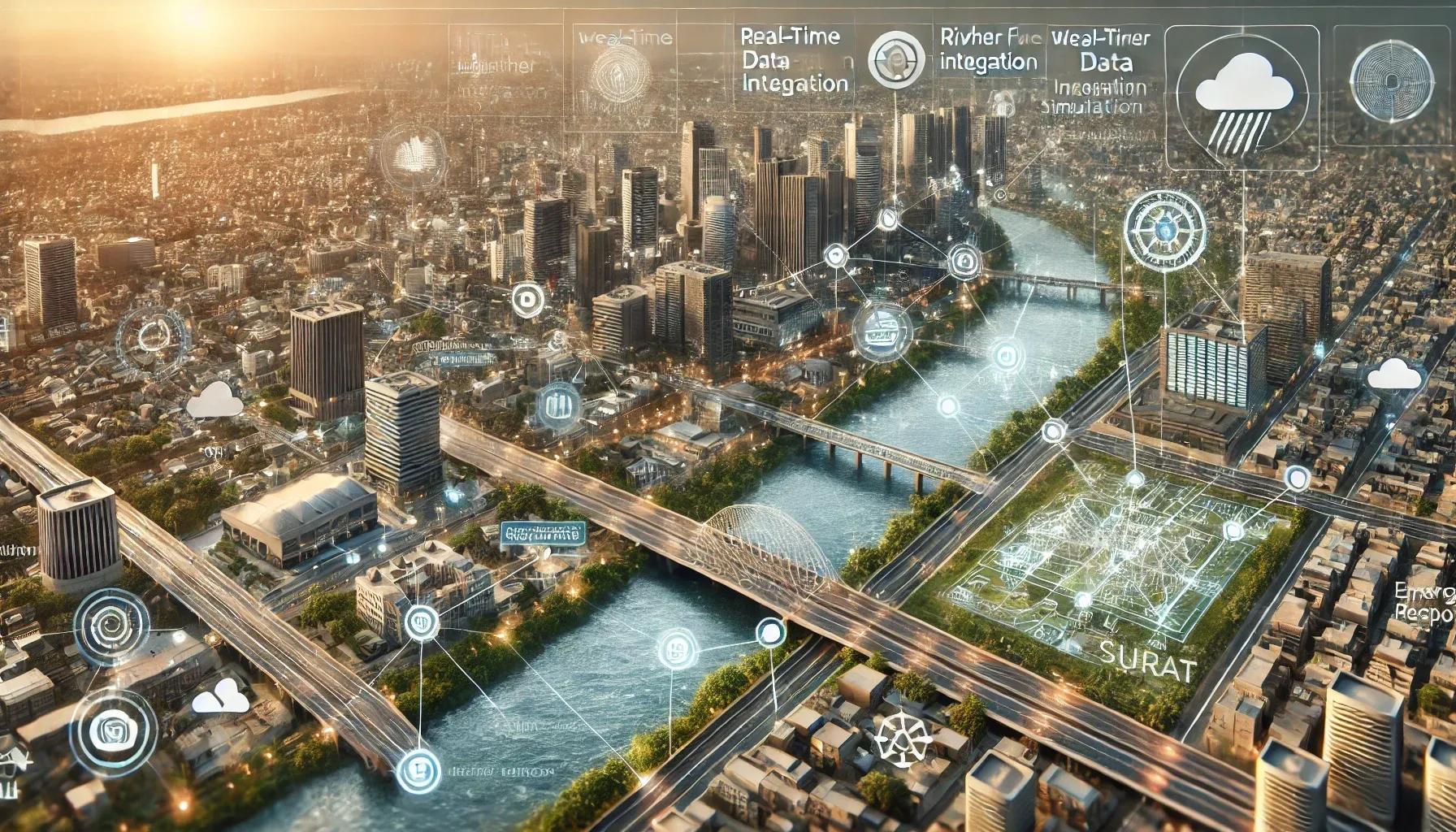
In recent years, Digital Twin technology has emerged as a transformative tool across various industries, and its application in disaster management is gaining significant attention. Digital Twins, which are virtual replicas of physical entities, systems, or processes, enable real-time monitoring, simulation, and analysis. This technology offers innovative solutions to enhance disaster preparedness, response, and recovery efforts. This article delves into the technical aspects and innovative applications of Digital Twin technology in disaster management.
Understanding Digital Twin Technology
A Digital Twin is a dynamic, virtual representation of a physical object or system, created using data from sensors, Internet of Things (IoT) devices, and other data sources. This virtual model evolves in real-time as the physical entity changes, providing a comprehensive and interactive platform for analysis and decision-making. The key components of a Digital Twin include:
Data Integration: Aggregation of data from various sources, including sensors, satellites, and historical records.
Modeling and Simulation: Creation of a virtual model that replicates the physical entity, incorporating physics-based simulations and machine learning algorithms.
Real-Time Monitoring: Continuous data flow from the physical entity to the Digital Twin, enabling real-time updates and monitoring.
Analytics and Visualization: Advanced analytics tools and visualization techniques to interpret data and derive actionable insights.
Disaster Management Phases and Digital Twin Applications
Digital Twin technology can be applied across all phases of disaster management: preparedness, response, and recovery. Each phase benefits from the enhanced capabilities provided by Digital Twins.
Preparedness
1. Risk Assessment and Planning: Digital Twins enable comprehensive risk assessment by simulating various disaster scenarios, such as earthquakes, floods, and hurricanes. By integrating historical data, geological information, and climate models, Digital Twins can predict potential impacts on infrastructure, communities, and ecosystems. This predictive capability allows authorities to develop effective disaster preparedness plans and allocate resources efficiently.
2. Infrastructure Resilience: Critical infrastructure, such as bridges, dams, and power plants, can be monitored and assessed using Digital Twins. By creating virtual models of these structures, engineers can simulate stress responses to extreme conditions, identify vulnerabilities, and implement reinforcement measures. This proactive approach enhances the resilience of infrastructure to withstand disasters.
3. Training and Simulations: Digital Twins provide immersive training environments for emergency responders and decision-makers. By simulating disaster scenarios in a virtual environment, personnel can practice response strategies, improve coordination, and identify potential bottlenecks. This training enhances the overall readiness of disaster management teams.
Response
1. Real-Time Situational Awareness: During a disaster, real-time situational awareness is crucial for effective response. Digital Twins integrate data from various sources, including IoT devices, drones, and satellites, to provide a real-time, comprehensive view of the affected area. This integration enables authorities to monitor the disaster's progression, assess damage, and allocate resources more effectively.
2. Decision Support Systems: Digital Twins serve as decision support systems by providing actionable insights based on real-time data. For example, in the event of a flood, a Digital Twin can simulate water flow, predict affected areas, and recommend evacuation routes. These capabilities enhance the decision-making process, ensuring timely and informed responses.
3. Communication and Coordination: Effective communication and coordination are vital during disaster response. Digital Twins facilitate seamless communication between various stakeholders, including emergency responders, government agencies, and affected communities. By providing a shared, real-time view of the disaster, Digital Twins improve collaboration and ensure a unified response.
Recovery
1. Damage Assessment: After a disaster, accurate damage assessment is essential for recovery planning. Digital Twins enable precise assessment by comparing pre-disaster and post-disaster data. High-resolution imagery, sensor data, and structural models help identify damaged areas and infrastructure, facilitating targeted recovery efforts.
2. Restoration and Reconstruction: Digital Twins assist in planning and executing restoration and reconstruction activities. By simulating different reconstruction scenarios, authorities can evaluate the feasibility, cost, and impact of various strategies. This capability ensures that reconstruction efforts are efficient, cost-effective, and resilient to future disasters.
3. Continuous Improvement: Digital Twins provide valuable insights into the effectiveness of disaster management strategies. By analyzing data from past disasters and recovery efforts, authorities can identify areas for improvement and refine their plans. This continuous improvement loop enhances the overall disaster management framework.
Innovative Applications and Case Studies
1. Urban Flood Management:
Urban areas are particularly vulnerable to flooding due to high population density and infrastructure complexity. Digital Twins of cities integrate data from weather stations, drainage systems, and river basins to simulate flood scenarios. For instance, Surat, a rapidly growing city in the Indian state of Gujarat, has taken pioneering steps in adopting Digital Twin technology for disaster management. Known for its vulnerability to floods due to its location along the Tapi River, Surat has implemented a comprehensive Digital Twin model of the city. This initiative, led by the Surat Municipal Corporation, integrates real-time data from weather stations, river gauges, and drainage systems to monitor and predict flood scenarios. The Digital Twin model allows authorities to simulate various flood conditions, assess potential impacts on infrastructure and communities, and optimize evacuation and resource allocation strategies. By leveraging this advanced technology, Surat has significantly enhanced its disaster preparedness and response capabilities, reducing the risks and impact of flooding on its residents and infrastructure.
And the city of Copenhagen has implemented a Digital Twin to predict flood impacts and optimize drainage system operations, significantly reducing flood risks.
2. Earthquake Resilience: Earthquakes pose severe risks to infrastructure and human lives. Digital Twins of buildings and bridges simulate seismic responses, enabling engineers to design structures that can withstand earthquakes. In Japan, Digital Twins are used to assess the seismic resilience of infrastructure and develop retrofitting strategies, enhancing overall safety.
3. Wildfire Management: Wildfires are increasingly frequent and devastating. Digital Twins of forested areas integrate data from weather stations, vegetation indices, and satellite imagery to predict fire behavior and spread. These simulations assist firefighting teams in strategizing containment efforts and protecting vulnerable areas. California's Department of Forestry and Fire Protection employs Digital Twins for real-time wildfire monitoring and response planning.
4. Pandemic Response: The COVID-19 pandemic highlighted the importance of real-time data and simulation in managing public health crises. Digital Twins of healthcare systems, transportation networks, and urban areas facilitated the modeling of virus spread, resource allocation, and vaccination strategies. These capabilities were crucial in developing effective response measures and mitigating the pandemic's impact.
Challenges and Future Directions
While Digital Twin technology offers immense potential, several challenges need to be addressed:
1. Data Integration and Quality: Ensuring the accuracy and reliability of data from diverse sources is critical. Robust data integration frameworks and quality assurance mechanisms are essential for effective Digital Twin implementation.
2. Computational Complexity: Simulating complex disaster scenarios requires significant computational resources. Advancements in high-performance computing and cloud-based solutions are necessary to handle the computational demands of Digital Twins.
3. Interoperability: Ensuring interoperability between different systems and platforms is vital for seamless data exchange and collaboration. Standardization efforts and open data protocols are needed to facilitate interoperability.
4. Privacy and Security: Protecting sensitive data from cyber threats and ensuring privacy are paramount. Robust cybersecurity measures and data governance frameworks are essential to safeguard Digital Twin implementations.
In conclusion, digital Twin technology represents a paradigm shift in disaster management, offering innovative solutions for preparedness, response, and recovery. By providing real-time situational awareness, predictive capabilities, and decision support, Digital Twins enhance the overall resilience of communities and infrastructure. As technology advances, addressing challenges related to data integration, computational complexity, interoperability, and security will be crucial for realizing the full potential of Digital Twins in disaster management. Embracing this transformative technology can significantly improve our ability to mitigate the impacts of disasters and build more resilient societies.