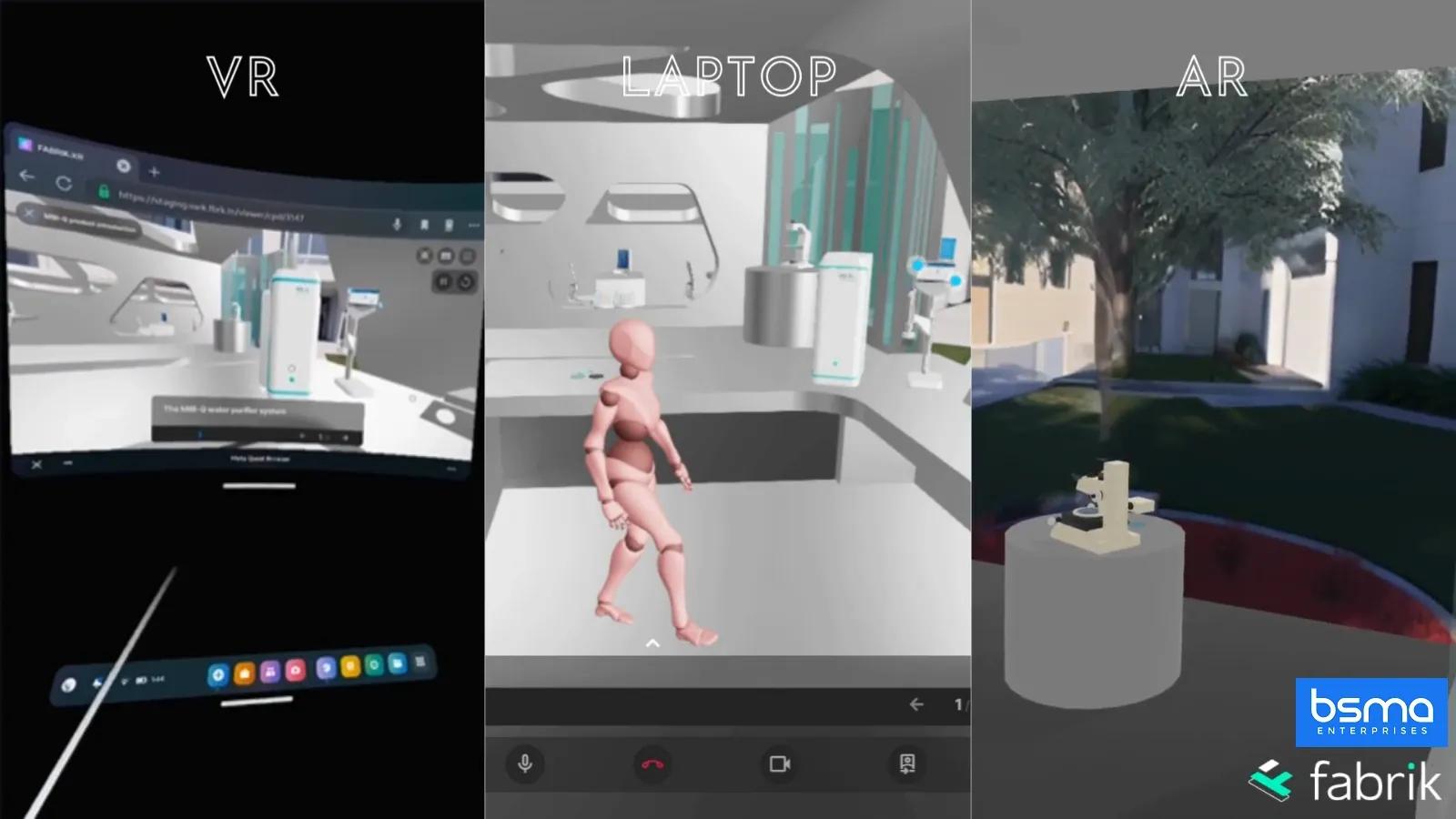
In recent years, Virtual Reality (VR) has emerged as a powerful tool in the industrial sector, particularly in enhancing safety protocols and training. With the increasing complexity and risks associated with industrial operations, traditional training methods often fall short of fully preparing workers for the hazardous environments they face. VR training solutions, such as those offered by Fabrik , provide immersive, realistic environments where workers can practice handling dangerous situations without the risks associated with real-world training. This article explores how VR is revolutionizing industrial safety and the key benefits it brings to the sector.
Immersive Learning Environments
One of the primary advantages of VR training is its ability to create highly immersive learning environments that closely replicate the real-world conditions workers will encounter on the job. Traditional training methods, which often rely on classroom instruction or limited hands-on practice, can struggle to convey the complexity and potential dangers of industrial tasks. VR, on the other hand, allows trainees to interact with a virtual environment that mirrors their actual work setting, providing a hands-on learning experience without exposing them to real hazards.
For example, Fabrik 's VR training solutions simulate factory floor environments where trainees can practice operating heavy machinery, responding to emergency situations, or performing maintenance tasks. These simulations are designed to mimic the exact conditions of the workplace, including the presence of other workers, equipment, and environmental factors like noise and lighting. This level of realism helps trainees develop muscle memory and decision-making skills that are critical in emergency situations, ensuring they are better prepared when faced with similar scenarios in the real world.
Enhancing Safety in Hazardous Environments
Industries such as mining, oil and gas, and manufacturing are fraught with risks. Workers in these sectors are often required to operate in hazardous environments where the margin for error is slim. VR training plays a crucial role in enhancing safety by allowing workers to experience and respond to dangerous situations in a controlled, virtual setting.
For instance, in the mining industry, VR training modules can simulate various emergency scenarios, such as mine collapses, gas leaks, or equipment malfunctions. Workers can practice their responses to these situations, learning how to evacuate safely, operate emergency equipment, or assist injured colleagues. By repeatedly exposing trainees to these scenarios in a risk-free environment, VR training helps to build the confidence and competence necessary to respond effectively in real emergencies.
Moreover, VR training can be customized to reflect the specific hazards of a given industrial site. This customization ensures that the training is relevant and directly applicable to the workers' daily tasks. For example, Fabrik ’s VR solutions can be tailored to include site-specific hazards, allowing trainees to familiarize themselves with the unique risks they may face.
Reducing Training Costs and Time
Traditional safety training in industrial settings can be time-consuming and costly. It often requires shutting down parts of the facility, using expensive equipment, or even simulating dangerous situations, all of which can disrupt operations and incur significant costs. VR training offers a cost-effective alternative by allowing workers to train in a virtual environment, eliminating the need for physical resources and reducing downtime.
With VR, companies can train multiple employees simultaneously, regardless of their location. This scalability is particularly beneficial for large organizations with a geographically dispersed workforce. Furthermore, VR training modules can be reused and updated as needed, ensuring that the content remains relevant and up-to-date without the need for constant redevelopment.
The efficiency of VR training is also reflected in the reduced time required to achieve competency. Studies have shown that VR training can significantly shorten the learning curve, enabling workers to acquire the necessary skills faster than with traditional methods. For example, Fabrik ’s VR training solutions have been shown to improve learning outcomes by 50%, reducing the time it takes for employees to become proficient in their roles.
Improving Retention and Engagement
One of the challenges of traditional safety training is keeping workers engaged. Classroom-based training can be monotonous, leading to low retention rates and a lack of engagement. VR training addresses this issue by providing an interactive and engaging learning experience that keeps trainees focused and motivated.
The immersive nature of VR allows trainees to fully engage with the training material, making it easier for them to retain information. By involving multiple senses—visual, auditory, and kinesthetic—VR creates a more holistic learning experience that enhances memory retention. Additionally, the ability to practice tasks repeatedly in a virtual environment reinforces learning and helps to solidify skills.
Moreover, VR training can include gamification elements, such as scoring, rewards, and progress tracking, which further increase engagement. Trainees are motivated to improve their performance and achieve higher scores, making the learning process more enjoyable and effective.
Real-Time Feedback and Assessment
Another key benefit of VR training is the ability to provide real-time feedback and assessment. In a VR environment, trainees receive immediate feedback on their actions, allowing them to learn from mistakes and correct their behavior on the spot. This real-time feedback is invaluable for reinforcing correct procedures and ensuring that workers develop safe habits.
For example, Fabrik ’s VR training modules include performance metrics that track the trainee's actions and decisions during the simulation. These metrics can be used to assess the trainee's competence and identify areas where further training is needed. The data collected during the training session can also be analyzed to identify common mistakes or knowledge gaps, allowing trainers to refine the curriculum and focus on areas that require improvement.
Additionally, VR training allows for the simulation of rare or complex scenarios that may be difficult to replicate in real life. This capability ensures that workers are prepared for a wide range of potential situations, including those that are unlikely but potentially catastrophic. By practicing these scenarios in a VR environment, workers can develop the skills and confidence needed to handle them effectively.
In conclusion, the integration of VR training into the industrial sector is revolutionizing how safety training is conducted. By providing immersive, realistic, and engaging training environments, VR is helping to better prepare workers for the hazardous situations they may encounter on the job. The ability to train in a risk-free environment, combined with the efficiency, cost-effectiveness, and scalability of VR training, makes it an invaluable tool for enhancing safety in the industrial sector.
As industries continue to embrace digital transformation, the role of VR in safety training is likely to expand, offering even more innovative solutions for protecting workers and improving operational safety. Companies like Fabrik are at the forefront of this revolution, providing cutting-edge VR training solutions that are shaping the future of industrial safety.