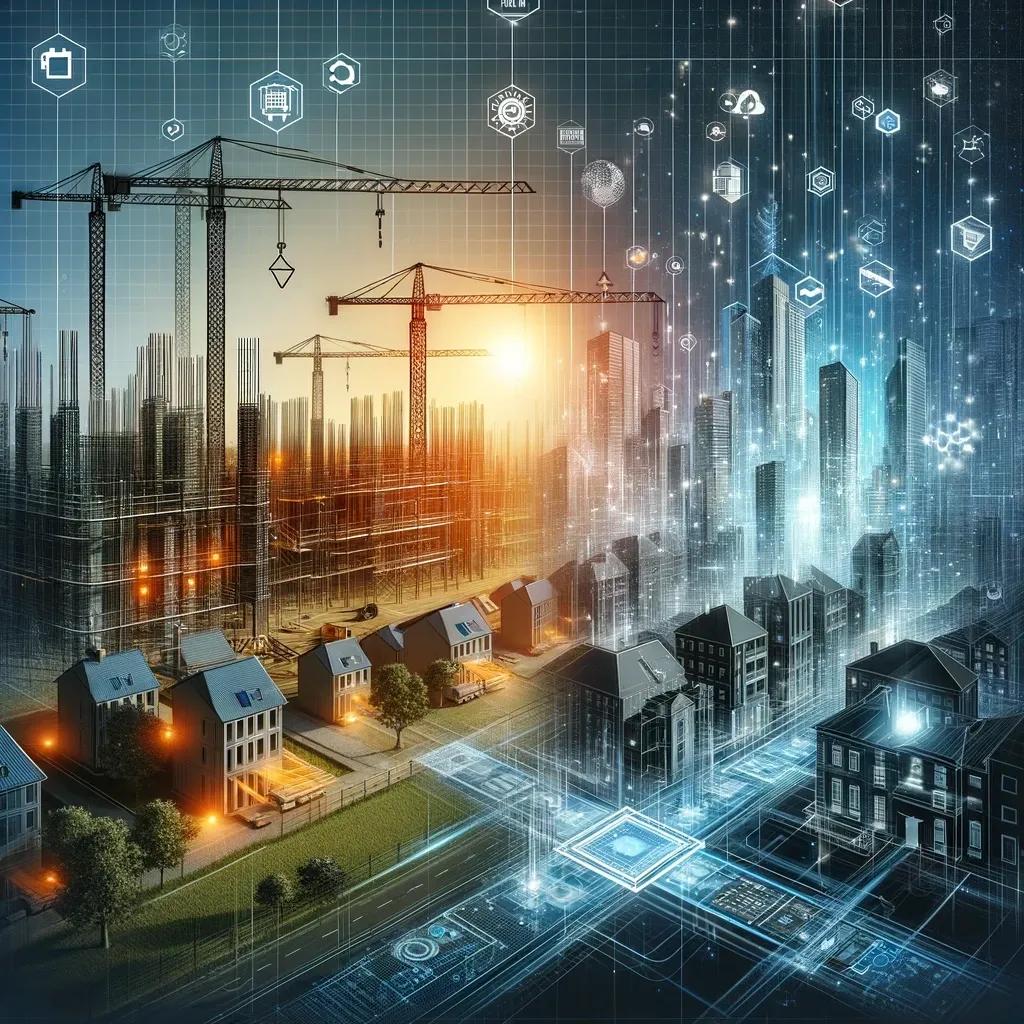
The construction industry, known for its complex projects and intricate processes, is undergoing a significant transformation, thanks to the advent of digital twin technology. Digital twins, a groundbreaking concept that bridges the physical and digital worlds, are revolutionizing the way construction projects are conceived, planned, executed, and managed. This article delves into the essence of digital twin technology, its applications in the construction sector, and the profound impacts it has on project outcomes, efficiency, and sustainability.
Understanding Digital Twins
At its core, a digital twin is a virtual replica of a physical entity or system. This could range from a simple object, like a building component, to an entire infrastructure network. These digital counterparts are dynamically linked to their physical counterparts, enabling real-time monitoring, analysis, and simulation. The essence of digital twin technology lies in its ability to provide a comprehensive digital footprint of the physical asset throughout its lifecycle, from design and construction to operation and maintenance.
Application of Digital Twins in Construction
Design Optimization : Digital twins enable stakeholders to visualize and simulate various design scenarios before any physical work begins. This capability allows for the identification and mitigation of potential design flaws, ensuring optimal use of materials, space, and resources. By integrating digital twins with Building Information Modeling (BIM) technologies, construction projects can achieve higher levels of precision and efficiency in design phases.
Construction Process Monitoring : The use of digital twins extends into the construction phase, where real-time data from the site can be analyzed to monitor progress, detect deviations from the plan, and implement corrective measures. This real-time insight helps in maintaining schedule adherence, optimizing resource allocation, and minimizing waste.
Operational Efficiency and Maintenance : Post-construction, digital twins serve as a dynamic tool for facility management. They enable predictive maintenance by identifying potential issues before they escalate, thus reducing downtime and operational costs. Moreover, the integration of Internet of Things (IoT) devices allows for the continuous monitoring of structural health, energy consumption, and other critical parameters, ensuring the longevity and sustainability of the asset.
Stakeholder Collaboration : Digital twins facilitate improved collaboration among all parties involved in a construction project, from architects and engineers to contractors and clients. By providing a unified, accessible, and up-to-date view of the project, digital twins enhance communication, reduce misunderstandings, and enable more informed decision-making.
Impacts of Digital Twins on the Construction Industry
Increased Efficiency and Productivity : The detailed insights and predictive capabilities provided by digital twins can significantly reduce rework, delays, and cost overruns, leading to improved project efficiency and productivity.
Enhanced Quality and Safety : By allowing for thorough planning, simulation, and testing in a virtual environment, digital twins contribute to higher quality outcomes and safer construction sites. Potential hazards can be identified and mitigated before they pose a risk to workers or the project itself.
Sustainability and Environmental Responsibility : Digital twins support sustainable construction practices by optimizing the use of resources and reducing waste. They also play a crucial role in monitoring and managing the energy efficiency of buildings, contributing to the global effort to reduce carbon footprints.
Competitive Advantage : For construction companies, adopting digital twin technology can be a significant differentiator. It not only demonstrates a commitment to innovation and excellence but also positions these companies as leaders in leveraging technology for superior project delivery.
Challenges and the Road Ahead
Despite its promising benefits, the adoption of digital twin technology in the construction industry faces several challenges. These include the need for significant initial investment, the complexity of integrating digital twins with existing systems and processes, and the requirement for specialized skills to develop and manage digital twins.
However, as the technology matures and becomes more accessible, and as the industry's familiarity with digital twins grows, these challenges are expected to diminish. The future of construction is undoubtedly digital, and digital twins will be at the forefront of this transformation, driving efficiency, innovation, and sustainability.
In conclusion, digital twins are not just revolutionizing the construction industry; they are redefining it. By bridging the gap between the physical and digital realms, digital twins offer unprecedented opportunities for optimization, innovation, and collaboration. As the construction industry continues to embrace this technology, the benefits of enhanced efficiency, improved safety, and greater sustainability are becoming increasingly evident. The journey towards widespread adoption may be fraught with challenges, but the potential rewards make it a worthwhile endeavor. In the era of digital transformation, digital twins stand out as a beacon of progress, paving the way for a smarter, more efficient, and sustainable future in construction.