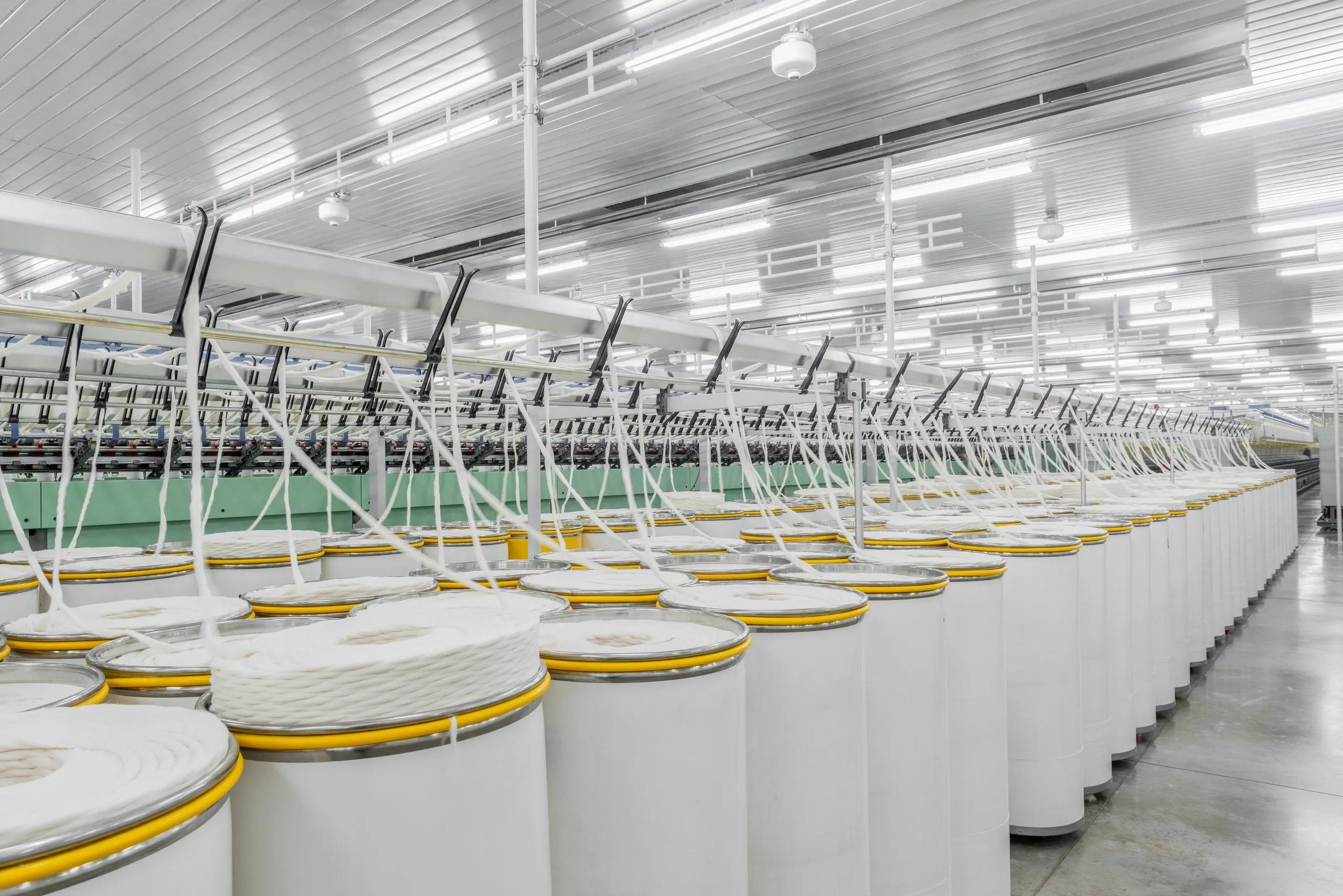
The apparel and textile industries, cornerstones of global commerce and employment, are also among the most resource-intensive and environmentally impactful sectors. Characterized by fast production cycles, global supply chains, and high volumes of waste, these industries are now under immense pressure to transition toward more sustainable, resilient, and circular models of operation.
At the center of this transition are two transformative technologies: Digital Twins and Circular Design. While circular design reimagines how clothing is made, used, and disposed of, digital twins provide the real-time data and simulation capabilities needed to make those designs actionable, traceable, and scalable.
This article explores how the integration of digital twins with circular design principles can help apparel and textile companies lead the shift toward regenerative production and consumption.
The Case for Circularity in Apparel and Textiles
The fashion industry generates more than 92 million tons of waste annually and contributes to nearly 10% of global carbon emissions. Key problems include:
Overproduction and unsold inventory
Short product lifespans due to fast fashion cycles
Low recyclability of blended fabrics and complex garments
Lack of traceability across vast, multi-tier supply chains
Circular design addresses these problems by promoting:
Durability and repairability
Recyclable and mono-material construction
Modular components (e.g., detachable linings, zippers)
Design for disassembly and reuse
However, implementing these principles across global supply chains is complex without digital infrastructure. This is where digital twins step in.
What Are Digital Twins in the Apparel Industry?
A digital twin is a dynamic, data-driven virtual replica of a physical object, system, or process. In the apparel industry, digital twins can represent:
Garments (individual items or collections)
Materials (fabrics, trims, dyes)
Manufacturing facilities
Supply chain flows and logistics
Digital twins integrate real-time and historical data from sensors, ERP systems, IoT devices, and design files to provide visibility and simulate lifecycle behavior.
Applying Digital Twins to Enable Circular Design
1. Garment-Level Twins for Design and Lifecycle Simulation
Digital twins of garments enable:
3D virtual prototyping: Reducing the need for physical samples
Material behavior modeling: Simulating wear, tear, and performance
Circular design validation: Testing disassembly processes, recyclability, and modularity
Consumer interaction: Enabling digital wardrobe previews or custom fitting
This helps designers and brands optimize product longevity, recyclability, and customer satisfaction before a single item is produced.
2. Supply Chain Twins for Transparency and Compliance
Creating digital twins of production and logistics networks enables brands to:
Trace material origins, processing stages, and environmental impact
Ensure EPR and sustainability compliance (e.g., GHG reporting, fair labor)
Model supply chain resilience under disruptions (e.g., geopolitical events, climate risks)
Optimize reverse logistics for take-back, resale, and recycling programs
For example, a digital twin of a T-shirt might include not just its cotton source and dyeing location, but also its transport emissions and consumer region.
3. Facility Twins for Energy and Resource Efficiency
Textile mills and garment factories are high-energy and high-water consumers. Creating digital twins of production facilities allows companies to:
Monitor energy, water, and chemical usage in real-time
Predict maintenance needs for equipment and infrastructure
Run simulations to optimize process flows and material recovery
Benchmark performance against circular economy KPIs
This drives continuous improvement toward zero-waste, low-impact operations.
Circular Business Models Enabled by Digital Twins
Digital twins support new, circular-aligned business models, including:
Product-as-a-Service (PaaS)
Garments are leased or rented instead of sold. Digital twins track:
Usage cycles
Condition and wear
Maintenance and laundering records
Optimal time for repair or retirement
Example: A children's apparel company uses digital twins to manage growth-based garment rentals, ensuring proper fit, hygiene, and reuse.
Resale and Second Life Platforms
Digital twin data helps authenticate used garments, assess their condition, and determine resale value.
Buyers can access full product histories
Brands can offer certified second-hand products
Platforms can automate quality grading using usage data
Recycling and Material Recovery
End-of-life planning becomes more effective when every garment has a digital ID linked to:
Fiber composition and dye types
Manufacturing processes
Care instructions and owner behavior
This allows sorters and recyclers to automate material separation and recover high-value fibers.
Geospatial Integration for Regional Circularity
Combining digital twins with geospatial data enhances local circular operations:
Mapping return points, repair hubs, and recycling centers
Optimizing reverse logistics for take-back programs
Designing city-level circular fashion systems (e.g., community repair centers)
Evaluating local environmental impact (e.g., water scarcity zones, emissions hotspots)
Geospatial insights also support regulatory compliance and localized sustainability reporting.
Use Case: Circular Hoodie with Digital Twin
A sportswear brand launches a hoodie made for circularity:
Design : Created using 3D modeling software, designed for easy disassembly.
Digital Twin Creation : The hoodie receives a digital ID linked to its fabric, thread, dye, and manufacturing data.
Tracking in Use : IoT tags track usage patterns and wash cycles (via smart labels).
Return and Resale : Customers return used hoodies. The twin logs their condition and routes them to resale or recycling.
Material Recovery : Mono-material design enables easy fiber recovery for new garments. The digital twin data feeds back into design improvements.
Benefits of Digital Twins for Circular Apparel
Area: Benefit
Design: Simulate and optimize circular product attributes
Production: Reduce sampling waste and resource usage
Transparency: Ensure traceability and lifecycle accountability
Customer Engagement: Enable personalization and responsible consumption
Resale & Recovery: Improve authentication, grading, and material separation
Regulatory Compliance: Streamline ESG and circularity reporting across geographies
Challenges and How to Address Them
Challenge: Solution
Data Integration: Adopt interoperable platforms linking PLM, ERP, and IoT systems
Digital Infrastructure Costs: Start with pilot products and scale based on ROI
Stakeholder Training: Provide training for designers, engineers, and marketers on twin usage
Standardization: Support global initiatives on digital product passports and circular metrics
Conclusion
For the apparel and textile industries, the path to circularity is complex but increasingly essential. Digital twins provide the visibility, intelligence, and adaptability needed to make circular design scalable and measurable.
When linked with geospatial insights, IoT, and lifecycle data, digital twins become powerful enablers of circular business models, from resale and rental to repair and recycling. Companies that invest in this integration today will not only lead on sustainability but also build stronger relationships with increasingly conscious consumers.
As the fashion industry redefines itself for a more regenerative future, the combination of digital precision and circular intent will shape the next era of growth.