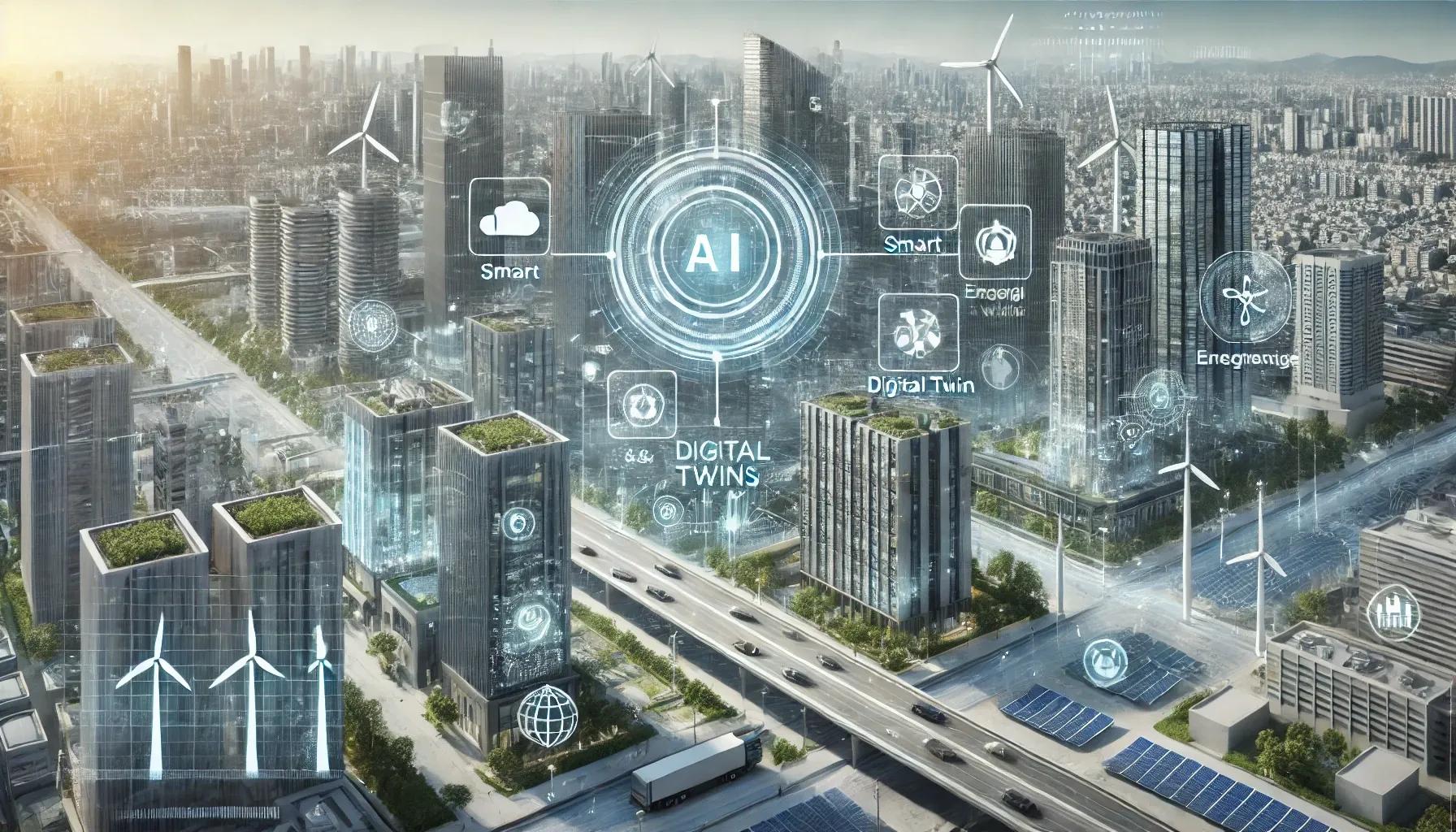
Artificial intelligence (AI) is rapidly transforming various sectors by optimizing processes, enhancing efficiency, and providing predictive capabilities that were previously unattainable. One of the most promising applications of AI is in the realm of energy management, particularly in reducing energy use and emissions in the building sector. A comprehensive study by the Lawrence Berkeley National Laboratory (LBNL) highlights the potential of AI to significantly impact energy consumption and carbon emissions in buildings. This article explores the insights from the study and delves into how AI and digital twins can be leveraged to achieve these ambitious goals.
The Scope of the Challenge
Buildings are a significant source of energy consumption and carbon emissions. According to the U.S. Department of Energy, residential and commercial buildings account for approximately 40% of the nation’s total energy use. With the growing emphasis on sustainability and the urgent need to address climate change, there is a critical need to improve energy efficiency and reduce emissions in the sector. The LBNL study provides a roadmap for how AI and digital twins can play a pivotal role in this transformation.
AI-Driven Energy Efficiency
One of the primary ways AI can enhance energy efficiency in buildings is through the optimization of heating, ventilation, and air conditioning (HVAC) systems. HVAC systems are major energy consumers in buildings, and their efficient operation is crucial for reducing energy use. AI algorithms can analyze data from various sensors within a building to predict occupancy patterns, weather conditions, and other factors that influence HVAC operation. By dynamically adjusting settings in real-time, AI can ensure that energy is used more efficiently without compromising comfort.
For example, machine learning models can predict the thermal load in different parts of a building based on historical data and current conditions. This allows the HVAC system to preemptively adjust temperatures, reducing the need for sudden, energy-intensive changes. Additionally, AI can identify inefficiencies and recommend maintenance actions, such as cleaning filters or repairing faulty components, further improving energy efficiency.
Enhancing Demand Flexibility
Demand flexibility refers to the ability to adjust energy consumption in response to supply conditions, such as peak load periods or the availability of renewable energy. AI can significantly enhance demand flexibility by forecasting energy demand and managing loads accordingly. By integrating AI with smart grids, buildings can dynamically shift their energy use to times when renewable energy is abundant, or electricity prices are lower.
For instance, AI can manage energy storage systems within buildings, charging batteries when excess renewable energy is available and discharging them during peak demand periods. This not only reduces strain on the grid but also lowers energy costs for building operators. Moreover, AI can coordinate with other buildings and infrastructure to create a more resilient and efficient energy network.
Integrating Digital Twins
Digital twins, virtual replicas of physical assets, systems, or processes, provide a powerful tool for enhancing energy efficiency and reducing emissions in buildings. By creating a digital twin of a building, operators can simulate, analyze, and optimize its performance in real-time.
Digital twins enable detailed modeling of a building’s energy systems, allowing for precise control and optimization. For example, a digital twin can simulate different HVAC configurations to identify the most energy-efficient setup. It can also predict the impact of various energy-saving measures, such as insulation improvements or the installation of energy-efficient windows, before they are implemented.
Furthermore, digital twins can integrate data from various sources, including IoT sensors, weather forecasts, and occupancy patterns, to provide a comprehensive view of a building’s performance. This holistic approach enables more effective decision-making and ensures that energy-saving measures are tailored to the specific needs of the building.
Decarbonization and Long-Term Impacts
The LBNL study projects that AI and digital twin integration could lead to a 91% reduction in carbon emissions from buildings by 2050. This ambitious target is achievable through a combination of energy efficiency measures, demand flexibility, and the decarbonization of the energy grid. AI and digital twins play a critical role in each of these areas.
Energy Efficiency Improvements : In addition to optimizing HVAC systems, AI and digital twins can enhance the efficiency of lighting, appliances, and other building systems. For example, AI-controlled lighting systems can adjust brightness based on occupancy and natural light availability, reducing unnecessary energy use. Similarly, AI can manage the operation of elevators, escalators, and other equipment to minimize energy consumption without affecting performance.
Electrification : Electrifying building systems, such as replacing gas heaters with electric heat pumps, is essential for reducing emissions. AI and digital twins can facilitate this transition by ensuring that electric systems are operated efficiently and by integrating them with renewable energy sources. For instance, AI can schedule electric vehicle (EV) charging during periods of low demand or high renewable energy generation, reducing the carbon footprint of EVs.
Grid Decarbonization : The decarbonization of the grid is crucial for achieving long-term emission reductions. AI can support this process by enhancing the integration of renewable energy sources. For example, AI can predict the output of solar panels or wind turbines based on weather forecasts and historical data, allowing grid operators to better manage supply and demand. Digital twins can simulate different scenarios to optimize grid operations and reduce reliance on fossil fuels.
Economic Benefits
Beyond environmental benefits, AI and digital twin-driven energy management can also result in substantial economic savings. The LBNL study estimates that these technologies could save up to $107 billion annually in power system costs by 2050. These savings come from reduced energy consumption, lower peak demand charges, and the avoidance of costly infrastructure upgrades. For building operators, the return on investment in AI and digital twin technologies can be significant, making it an attractive proposition from both a financial and sustainability perspective.
In conclusion, the integration of AI and digital twins into energy management systems presents a transformative opportunity to enhance energy efficiency, increase demand flexibility, and achieve substantial reductions in carbon emissions in the building sector. The insights from the Lawrence Berkeley National Laboratory’s study provide a clear roadmap for leveraging these technologies to meet these goals. As we move towards a more sustainable future, the adoption of AI and digital twin technologies will be crucial in addressing the challenges of energy use and emissions, ultimately contributing to a cleaner, more efficient, and resilient built environment.
For further reading and detailed information on the study, please visit the Lawrence Berkeley National Laboratory’s website ( LLNL ) ( Lawrence Berkeley National Laboratory ) ( LBL Energy Analysis ).