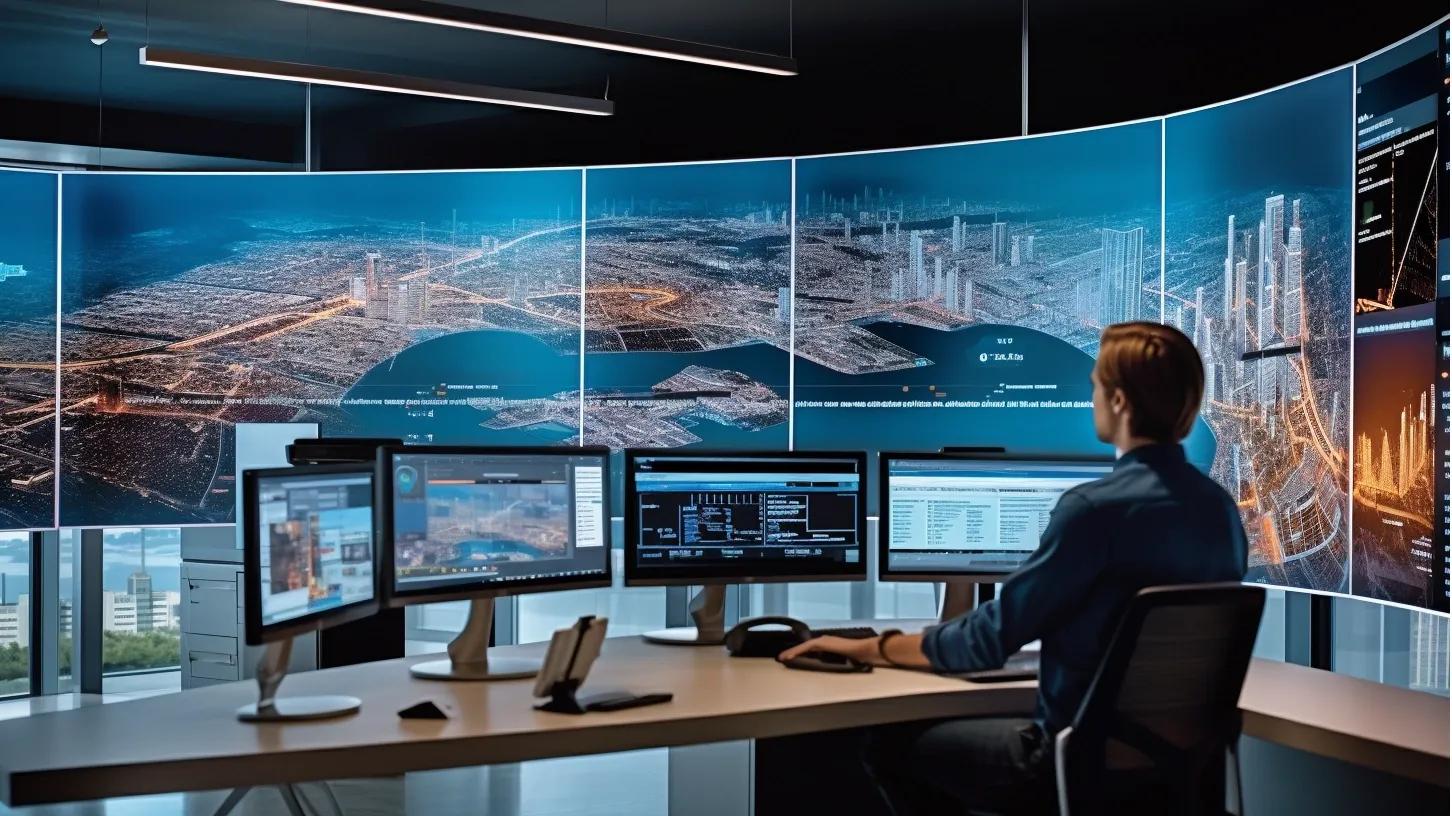
The retail industry, particularly the food sector, has undergone unprecedented transformations in recent years. With innovations driven by AI and ever-evolving consumer preferences, we've observed a paradigm shift from traditional brick-and-mortar models to hyper-personalized omnichannel experiences. But as we stand at the nexus of AI, data, and other digital wonders, there’s an unsung hero quietly making waves in the retail industry: Geospatial technology.
Now, you might be wondering: "How does geospatial technology, often linked with mapping and location services, play into food retail?" Let's dive deep and unravel the immense potential of geospatial tools in transforming the shopping experience for both the retailer and the customer.
The Power of Location
The old adage, "Location, Location, Location," still holds paramount importance in retail. As retailers seek to provide a seamless experience across both digital and physical platforms, the strategic placement of brick-and-mortar stores becomes essential. Here's where geospatial technology shines. Through detailed analysis of variables such as population density, socio-economic factors, and even supplier proximity, retailers can determine the ideal locations that promise maximum footfall and sales.
Optimizing the Supply Chain
While geospatial technology is an ace in the hole for store placement, its capabilities don’t end there. The food retail supply chain, with its complex web of suppliers, transportation, and storage, can benefit immensely from geospatial insights. Imagine having real-time visibility into the movement of goods from farm to table, ensuring that the freshest produce reaches consumers in the shortest time. By harnessing the power of geospatial tools, retailers can optimize inventory management and significantly reduce waste - a win-win for both businesses and the environment.
Hyper-Personalized Marketing
We're in the era of personalization, where every consumer expects a unique shopping experience tailored to their needs. By leveraging geospatial data, retailers can send location-based offers and promotions. Picture this: you're walking by a store, and you receive a notification about a special discount on your favorite product. That's the magic of geospatial-driven marketing!
Gaining the Competitive Edge
With fierce competition in the food retail sector, having an edge can make all the difference. Geospatial tools can provide insights into competitor presence, helping retailers identify markets ripe for penetration or those needing fortified efforts. Moreover, through traffic flow analysis around stores, retailers can intuitively design store layouts, ensuring that customers find what they're looking for with ease.
Streamlining Deliveries
In today's age of instant gratification, the demand for quick deliveries has never been higher. Geospatial technology helps retailers map out optimal delivery routes, ensuring that your fresh groceries reach you in record time, while also curbing operational costs for retailers.
Gearing up for the Future
But the potential of geospatial technology isn’t just in optimizing current operations. Its true power lies in shaping the future of food retail. By understanding consumer behavior based on locations, retailers can predict future buying patterns and preferences, leading to proactive business strategies.
Furthermore, in an age where sustainability and environmental consciousness are not just buzzwords but imperatives, geospatial data can illuminate the environmental impacts of supply chains, guiding retailers towards more eco-friendly operations.
Wrapping Up
In conclusion, as the retail world embarks on a tech-fueled journey, integrating geospatial technology into its core could be the game-changer. While the buzz around AI and data-driven operations is well-deserved, the nuanced insights from geospatial tools offer a fresh perspective, leading to enhanced customer experiences and efficient operations.
So, the next time you find yourself marveling at the rapid transformations in the food retail industry, remember the silent but powerful role of geospatial technology. Because in the landscape of retail's bright future, every location point and map leads to a world of endless possibilities.