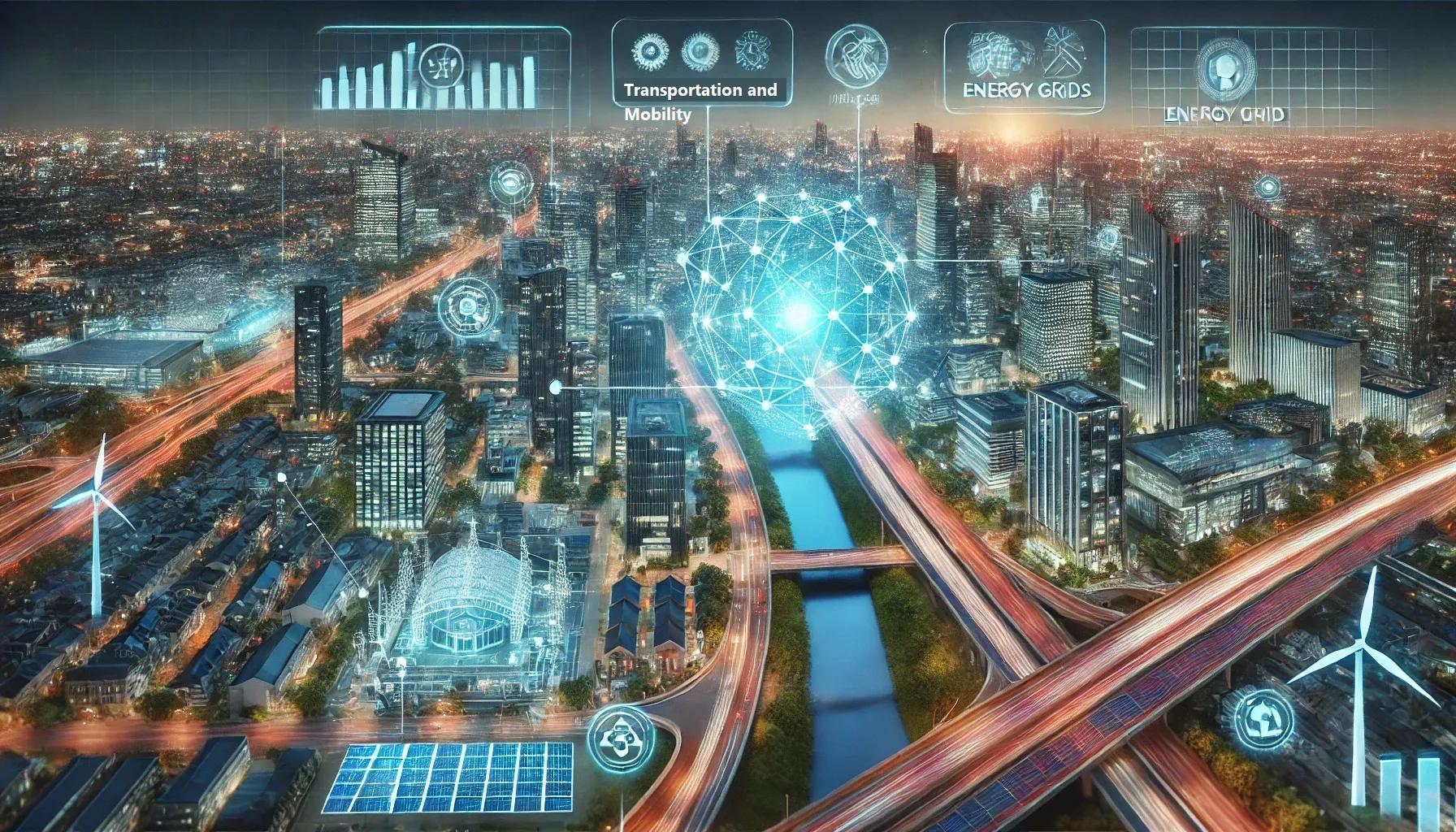
The rapid pace of technological advancement, coupled with the increasing complexity of modern infrastructure, demands innovative solutions for efficient management and maintenance. Digital Twin Technology has emerged as a transformative tool, enabling stakeholders to simulate, monitor, and optimize physical assets in real-time. By creating a digital replica of physical infrastructure, organizations can future-proof their assets, ensuring long-term sustainability, enhanced performance, and resilience against unforeseen challenges. This article delves into how Digital Twin Technology is reshaping infrastructure management, its key components, benefits, and its role in addressing future challenges.
Understanding Digital Twin Technology
Digital Twin Technology involves creating a virtual replica of a physical object, process, or system that evolves alongside its real-world counterpart. These digital replicas integrate data from IoT sensors, Building Information Modeling (BIM), Geographic Information Systems (GIS), and Artificial Intelligence (AI) to provide real-time insights. By continuously updating, Digital Twins offer a dynamic, data-driven approach to decision-making.
Key Components of Digital Twin Technology
Physical Asset : The tangible infrastructure or system represented in the digital domain.
Digital Model : The virtual counterpart that mirrors the physical asset, including its design, components, and operations.
Data Integration : Continuous data streams from IoT sensors, satellite imagery, or other sources feed the digital model, ensuring accuracy.
Analytics and AI : Advanced algorithms analyze data for predictive maintenance, anomaly detection, and optimization.
User Interface : Dashboards or VR/AR interfaces enable stakeholders to interact with the Digital Twin, facilitating real-time insights.
Applications of Digital Twin Technology in Infrastructure
1. Urban Planning and Smart Cities
Digital Twins empower urban planners to simulate the impact of infrastructure projects, evaluate environmental changes, and optimize resource allocation. For example, city-level Digital Twins provide insights into traffic patterns, energy usage, and flood risks, enabling proactive planning.
2. Construction and Engineering
In construction, Digital Twins are integrated with BIM to simulate building designs and construction processes. This integration minimizes errors, reduces costs, and ensures timely project delivery. Engineers can virtually test the resilience of structures against various stress factors before implementation.
3. Transportation and Mobility
From smart railways to autonomous vehicles, Digital Twins revolutionize transportation by monitoring systems in real-time. Airports and ports use Digital Twins to optimize passenger flow, reduce congestion, and enhance operational efficiency.
4. Utilities and Energy
Digital Twins in the energy sector monitor grids, pipelines, and renewable energy installations like wind farms or solar plants. Predictive maintenance of power grids and resource optimization ensures uninterrupted service while reducing operational costs.
5. Disaster Management
Digital Twins assist in simulating disaster scenarios, such as floods, earthquakes, or wildfires. By modeling the impact on infrastructure, stakeholders can design more resilient systems and improve emergency response strategies.
Benefits of Future-Proofing Infrastructure with Digital Twins
1. Enhanced Predictive Maintenance
One of the primary advantages of Digital Twin Technology is its ability to predict potential failures before they occur. Continuous monitoring and AI-driven analytics identify wear and tear or inefficiencies, allowing preemptive action. For instance, a bridge equipped with IoT sensors can relay real-time data to its Digital Twin, flagging structural anomalies before they escalate into critical issues.
2. Optimized Resource Management
Infrastructure development and maintenance often involve significant resource allocation. Digital Twins optimize this by providing detailed insights into where resources are most needed. For example, a smart water management system powered by a Digital Twin can detect leaks and optimize distribution networks.
3. Improved Decision-Making
Digital Twins empower decision-makers with accurate, real-time data and simulations. Planners can assess the feasibility of new projects, evaluate different scenarios, and understand long-term implications. This reduces uncertainty and enhances the efficiency of infrastructure investments.
4. Increased Resilience
With climate change and urbanization posing new challenges, resilience is paramount. Digital Twins allow for stress-testing infrastructure under various scenarios, such as extreme weather or rapid population growth. This ensures that systems remain functional and adaptable in the face of change.
5. Sustainability Goals
Digital Twins play a crucial role in achieving sustainability goals by optimizing energy consumption, reducing waste, and minimizing the carbon footprint of infrastructure projects. For instance, in smart buildings, Digital Twins monitor energy usage and suggest ways to enhance efficiency.
Overcoming Challenges in Digital Twin Adoption
While the potential of Digital Twin Technology is immense, its adoption is not without challenges:
1. Data Integration and Management
The effectiveness of a Digital Twin relies on the quality and quantity of data it receives. Integrating data from disparate sources, such as IoT devices, legacy systems, and GIS platforms, can be complex and require robust data management systems.
2. High Initial Investment
Developing and deploying a Digital Twin involves significant upfront costs for hardware, software, and expertise. While the return on investment is substantial, stakeholders must be convinced of the long-term benefits.
3. Cybersecurity Risks
With vast amounts of sensitive data being processed and stored, Digital Twins are vulnerable to cyber threats. Robust security measures, including encryption and regular audits, are essential to safeguard these systems.
4. Skill Gaps
The implementation of Digital Twin Technology requires specialized skills in AI, IoT, and data analytics. Bridging this skill gap through training and hiring is vital for successful deployment.
The Future of Infrastructure with Digital Twins
As technology evolves, the capabilities of Digital Twins will expand, making them indispensable for infrastructure management. Key trends that will shape the future include:
1. Integration with Emerging Technologies
The convergence of AI, blockchain, and 5G with Digital Twin Technology will enhance its capabilities. For instance, blockchain can secure data integrity, while 5G enables faster data transfer, making real-time monitoring more effective.
2. Decentralized and Edge Computing
With the proliferation of IoT devices, edge computing will reduce latency and enable decentralized data processing. This ensures that Digital Twins operate efficiently, even in remote locations.
3. Global Collaboration
Digital Twins will facilitate collaboration between international stakeholders by providing a unified platform for monitoring and managing infrastructure projects across borders.
4. Focus on Inclusivity
Digital Twin solutions will increasingly focus on inclusivity, ensuring equitable access to services. For example, transportation systems modeled using Digital Twins can prioritize accessibility for differently-abled individuals.
In conclusion, Digital Twin Technology is revolutionizing the way we design, manage, and sustain infrastructure. By providing a dynamic, data-driven approach, it enables stakeholders to anticipate challenges, optimize performance, and ensure resilience against future uncertainties. As adoption grows, Digital Twins will not only enhance operational efficiency but also contribute significantly to achieving global sustainability goals. However, addressing challenges such as data integration, cybersecurity, and skill gaps is crucial for maximizing its potential. With strategic implementation, Digital Twin Technology promises a future where infrastructure is not just built to last but is adaptable, intelligent, and truly future-proof.