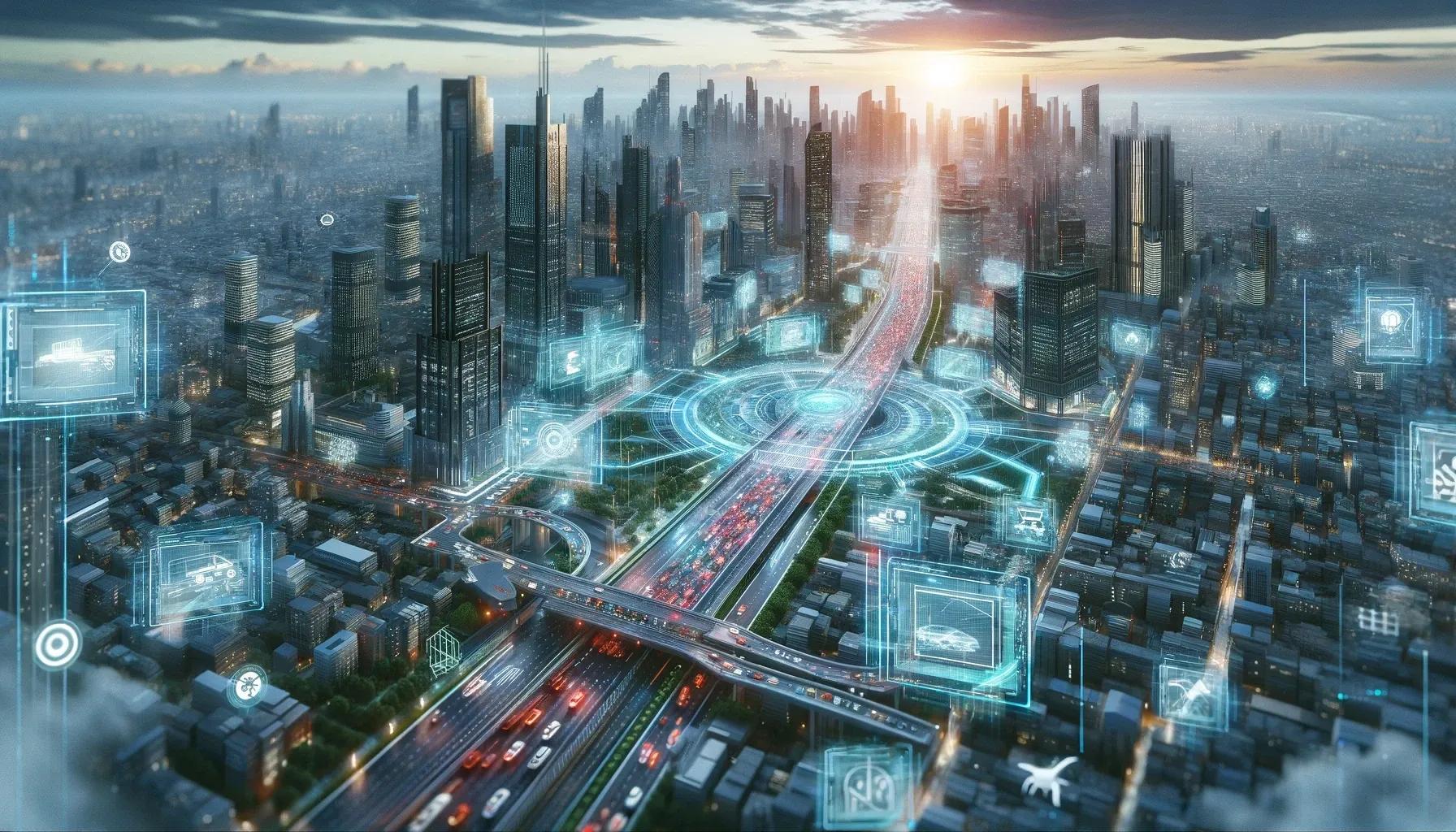
In the realm of transportation, the efficient management of traffic systems is paramount to enhancing mobility, reducing congestion, and minimizing environmental impacts. As urban areas continue to grow, the traditional methods of traffic management are increasingly strained, necessitating more sophisticated approaches to address the complexity of modern transportation networks. One of the most promising advancements in this field is the application of digital twins—a technology that offers dynamic insights and foresight into the operation and optimization of transportation systems.
What is a Digital Twin?
A digital twin is a virtual model designed to accurately reflect a physical object or system. In the context of transportation, digital twins are comprehensive replicas of urban traffic systems, including roads, bridges, vehicles, signals, and other infrastructure elements. These models are continuously updated with data collected from various sources such as sensors, cameras, and satellites, enabling real-time monitoring and simulation of traffic conditions.
Benefits of Digital Twins in Traffic Management
The integration of digital twins into traffic management systems transforms how urban planners and authorities manage and foresee the flow of vehicles. Here are several benefits that digital twins provide:
Enhanced Real-time Traffic Monitoring and Control
Digital twins allow for the real-time visualization and analysis of traffic patterns. By leveraging data from IoT sensors and other data points, these virtual models help in predicting traffic congestions, road closures, and diversions, thus enabling quicker response times from traffic management centers.
Optimized Traffic Flow and Reduced Congestion
Through simulation capabilities, digital twins can forecast potential traffic hotspots and provide solutions to alleviate congestion before it occurs. This proactive approach not only improves traffic flow but also enhances the overall efficiency of transportation networks.
Improved Safety
By analyzing data on traffic conditions and driver behavior, digital twins help in identifying potentially hazardous areas and situations. This enables transportation authorities to implement preventive measures, thereby reducing the risk of accidents and improving road safety.
Sustainable Urban Planning
Digital twins assist city planners in understanding the environmental impact of traffic flows and infrastructure developments. This insight is crucial for designing more sustainable and less polluting transportation systems, aligning with global efforts to combat climate change.
Application of Digital Twins in Traffic Management
The application of digital twins in managing traffic systems involves several key technologies and methodologies. Here’s how digital twins are typically implemented:
Data Integration
Digital twins integrate data from a variety of sources, including traffic cameras, sensors, GPS data from vehicles, and weather stations. This data is essential for creating accurate and dynamic models of traffic systems.
Simulation and Modeling
Using sophisticated algorithms and machine learning techniques, digital twins simulate various traffic scenarios. This allows planners to test the effects of different traffic management strategies, such as changes in signal timings or the introduction of new traffic laws, before implementing them in the real world.
Predictive Analytics
Digital twins use predictive analytics to forecast future traffic patterns based on historical data and real-time information. This capability enables transportation authorities to anticipate problems and implement solutions preemptively.
Feedback Loop
An essential feature of digital twins is their ability to learn and adapt. Based on the outcomes of implemented strategies and changes, the digital twin updates its models to reflect what works best, creating a continuous improvement loop.
Challenges and Considerations
Despite the benefits, the deployment of digital twins in traffic management also faces several challenges. These include the high initial costs of setting up extensive sensor networks and data processing capabilities, issues related to data privacy and security, and the need for skilled personnel to manage and interpret complex digital twin systems.
Moreover, there is a need for collaboration across various stakeholders, including government authorities, technology providers, and the public, to ensure the successful integration of digital twins into existing traffic management frameworks.
In conclusion, the future of transportation is on the brink of a revolution with the adoption of digital twins in traffic management. As cities continue to expand and the demand for efficient transportation systems increases, digital twins offer a promising solution to manage complexity and enhance the efficiency, safety, and sustainability of urban traffic networks. However, maximizing the benefits of this technology will require addressing the associated challenges and fostering collaborative efforts among all stakeholders involved.