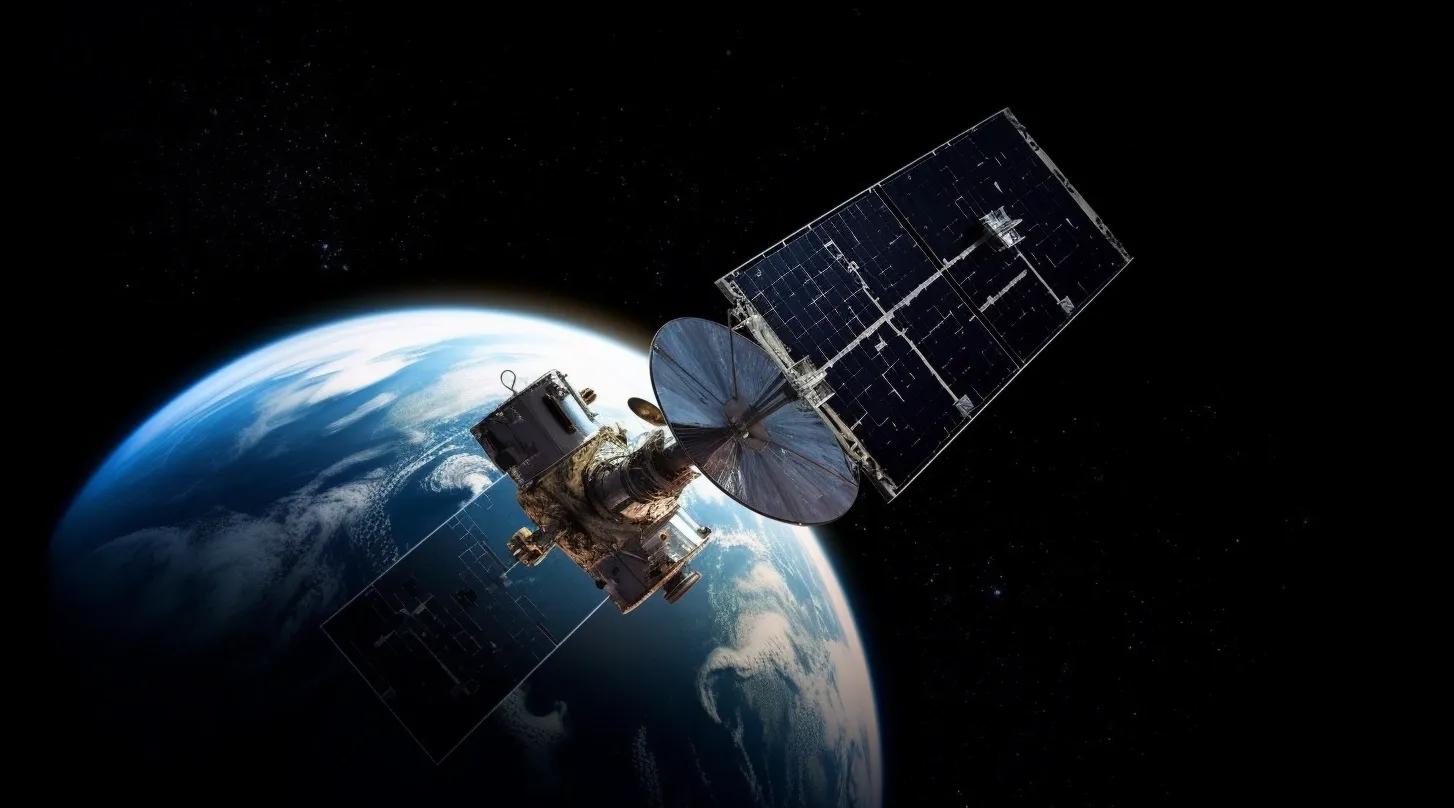
The space industry is undergoing a transformative phase, with telecommunications and Earth Observation (EO) emerging as key growth areas. A recent interview with NASA's Chief Economist, Alexander MacDonald, sheds light on these evolving paradigms. This article aims to delve into the critical aspects of this transformation, examining the sustained growth in telecommunications and EO, the burgeoning US-India space collaboration, the contours of the new space age, and the role of space in sustainability efforts.
Sustained Growth in Telecommunications and Earth Observation
One of the most striking revelations from MacDonald's interview is the forecast of sustained growth in the space business, particularly in telecommunications and EO. These sectors are not just burgeoning industries but are vital capabilities for countries and organizations around the globe. With the advent of 5G and the increasing reliance on satellite technology for global communications, the telecommunications sector in space is poised for exponential growth. Similarly, EO has become indispensable for various applications ranging from weather forecasting to disaster management and environmental monitoring.
The Role of Private Sector
The private sector's involvement has been a game-changer in accelerating this growth. Private companies are not just focused on space exploration but are also investing heavily in satellite technologies. The private entities are creating new market niches, thereby expanding the scope and scale of space-related activities. The reduced cost of space access, thanks to reusable rocket technologies, has further fueled this growth, making space more accessible than ever before.
US-India Space Collaboration: A Symbiotic Relationship
Another noteworthy point is the deepening collaboration between the United States and India in space activities. With India signing the Artemis Accords and the ongoing NASA-ISRO (Indian Space Research Organisation) partnership, both countries are set to benefit from this alliance. The collaboration is not limited to governmental agencies but extends to industry partners, creating a robust ecosystem for mutual growth. This partnership is expected to have a ripple effect, impacting multiple economic sectors from EO to human spaceflight and even future commercial space stations.
Economic Implications
The economic benefits of this collaboration are manifold. For countries like India, this partnership can serve as a catalyst for technological advancement and economic development. The global space economy is growing robustly, and both the US and India are well-positioned to tap into this lucrative market. The integration of resources and expertise can lead to groundbreaking innovations, thereby boosting the economic prospects of both nations.
Contours of the New Space Age
The space age is no longer what it used to be. According to MacDonald, the new space age is characterized by more diverse actors, both in terms of countries and the private sector. The democratization of space is evident, with smaller countries also establishing their space agencies. This diversification is aided by the lower cost of space access, making space activities more inclusive and widespread.
Challenges and Opportunities
While this diversification brings in new opportunities, it also presents challenges. Regulatory frameworks need to evolve to accommodate the increasing number of actors in space. Moreover, the commercial interests driving the industry must be balanced with ethical considerations, especially when it comes to space exploration and resource utilization.
Space and Sustainability: An Inextricable Link
One of the most compelling aspects of the interview was the discussion on the role of space in sustainability efforts. EO is crucial for climate change mitigation, providing invaluable data for monitoring environmental changes. The economic aspects of space can be seamlessly integrated with sustainability initiatives, particularly as the cost of space access continues to decline.
Open Data and Science Protocols
The importance of open data and science protocols was also emphasized. Uniform datasets from satellite observations are critical for international sustainability initiatives. The accessibility of this data can significantly impact global efforts to combat climate change and other environmental challenges.
In conclusion, the future of space commerce is bright, with telecommunications and Earth Observation leading the way. The increasing involvement of the private sector and international collaborations, like the US-India partnership, are fueling this growth. As we navigate the contours of this new space age, the industry's focus is gradually shifting towards sustainability, making space not just a frontier for exploration but also a platform for global betterment.
Given the rapid advancements in this field, staying abreast of these trends is essential for anyone involved in geospatial technologies and space commerce. The opportunities are vast, but they come with their own set of challenges that require multi-faceted solutions and international cooperation.
Reference:
https://www.geospatialworld.net/prime/telecom-eo-key-growth-areas-space/