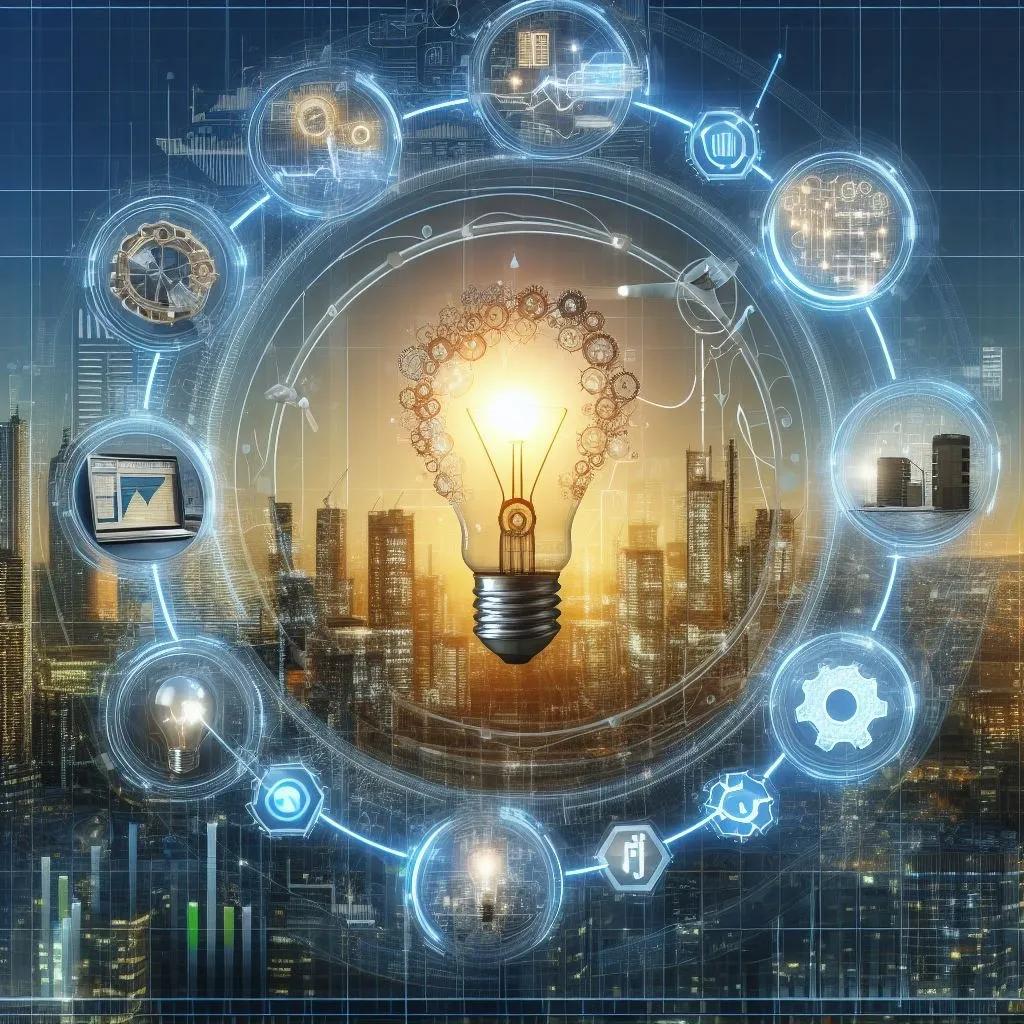
In the evolving landscape of digital transformation, the concept of Digital Twins has emerged as a revolutionary tool, bridging the physical and virtual worlds. This technology not only enhances operational efficiency but also paves the way for innovations in various industries, including manufacturing, urban planning, healthcare, and infrastructure. This article demystifies the lifecycle of a Digital Twin project, detailing each phase from conception to realization and beyond.
Conceptualization: The Genesis of Innovation
The journey of a Digital Twin project begins with the conceptualization phase. Here, stakeholders identify the need for a Digital Twin, focusing on the objectives it aims to achieve. Whether it's for optimizing the performance of a manufacturing process, simulating urban infrastructure projects, or improving the design of a product, the goal is clear: to create a dynamic, digital replica of a physical entity or system. This phase involves extensive research, feasibility studies, and strategic planning, ensuring the project is grounded in reality and aligned with business goals.
Design and Development: Crafting the Digital Mirror
Following the conceptual blueprint, the design and development phase is where the abstract becomes tangible. Engineers and developers collaborate closely, employing technologies such as IoT, AI, and advanced analytics to construct the Digital Twin. This involves creating a detailed, virtual model that accurately represents the physical counterpart in all aspects, from geometry and properties to behaviors and processes. The development phase is iterative, with continuous refinements based on feedback and evolving requirements, ensuring the Digital Twin is both accurate and adaptable.
Integration: The Convergence of Two Worlds
A pivotal stage in the lifecycle, integration involves embedding the Digital Twin within the existing ecosystem. This phase ensures seamless communication between the physical asset and its digital counterpart, leveraging IoT sensors and other data collection mechanisms to feed real-time data into the Digital Twin. Integration facilitates the synchronization of the virtual and physical entities, enabling the Digital Twin to reflect the current state of its real-world counterpart accurately and in real-time.
Operation: The Digital Twin in Action
With the Digital Twin fully integrated, the operation phase commences. This is where the true value of the Digital Twin is realized, as it begins to inform decision-making, optimize processes, and predict outcomes. Stakeholders can interact with the Digital Twin, experimenting with various scenarios and interventions without risking the physical asset. This phase is characterized by continuous monitoring and analysis, where data-driven insights lead to actionable intelligence, enhance efficiency, and drive innovation.
Maintenance and Evolution: Adapting to Change
The lifecycle of a Digital Twin project does not end with its operation. The digital and physical worlds are dynamic, subject to change and evolution. Consequently, the Digital Twin must be maintained and updated to reflect these changes accurately. This involves regular data analysis, software updates, and adjustments to the Digital Twin’s model. The maintenance phase ensures that the Digital Twin remains a reliable, accurate, and effective tool over time.
Moreover, as technologies advance and new possibilities emerge, the Digital Twin itself may evolve, incorporating new features, capabilities, and integrations. This evolutionary process ensures that the Digital Twin continues to deliver value, adapting to the changing needs and goals of the organization.
Conclusion
The lifecycle of a Digital Twin project is a complex, multidisciplinary endeavor that transforms abstract concepts into concrete, actionable tools. From the initial conceptualization to the ongoing maintenance and evolution, each phase is crucial, requiring close collaboration among various stakeholders. By meticulously navigating these stages, organizations can harness the full potential of Digital Twins, driving innovation, optimizing performance, and paving the way for future advancements.
In conclusion, the journey from concept to reality in a Digital Twin project is not just about creating a digital replica of a physical asset. It's about reimagining and revolutionizing how we interact with and manage the physical world. With each phase of the lifecycle, we step closer to a future where the boundaries between physical and virtual blur, unlocking unprecedented opportunities for improvement and innovation.